Honoring the legacy of Serge Koussevitzky at Tanglewood


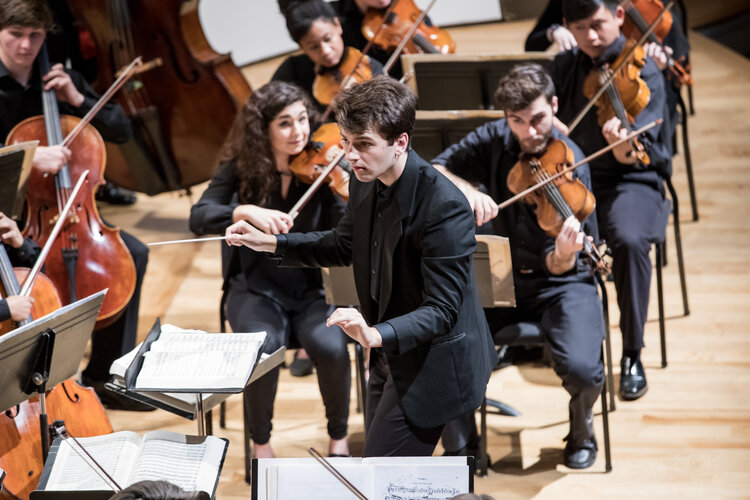
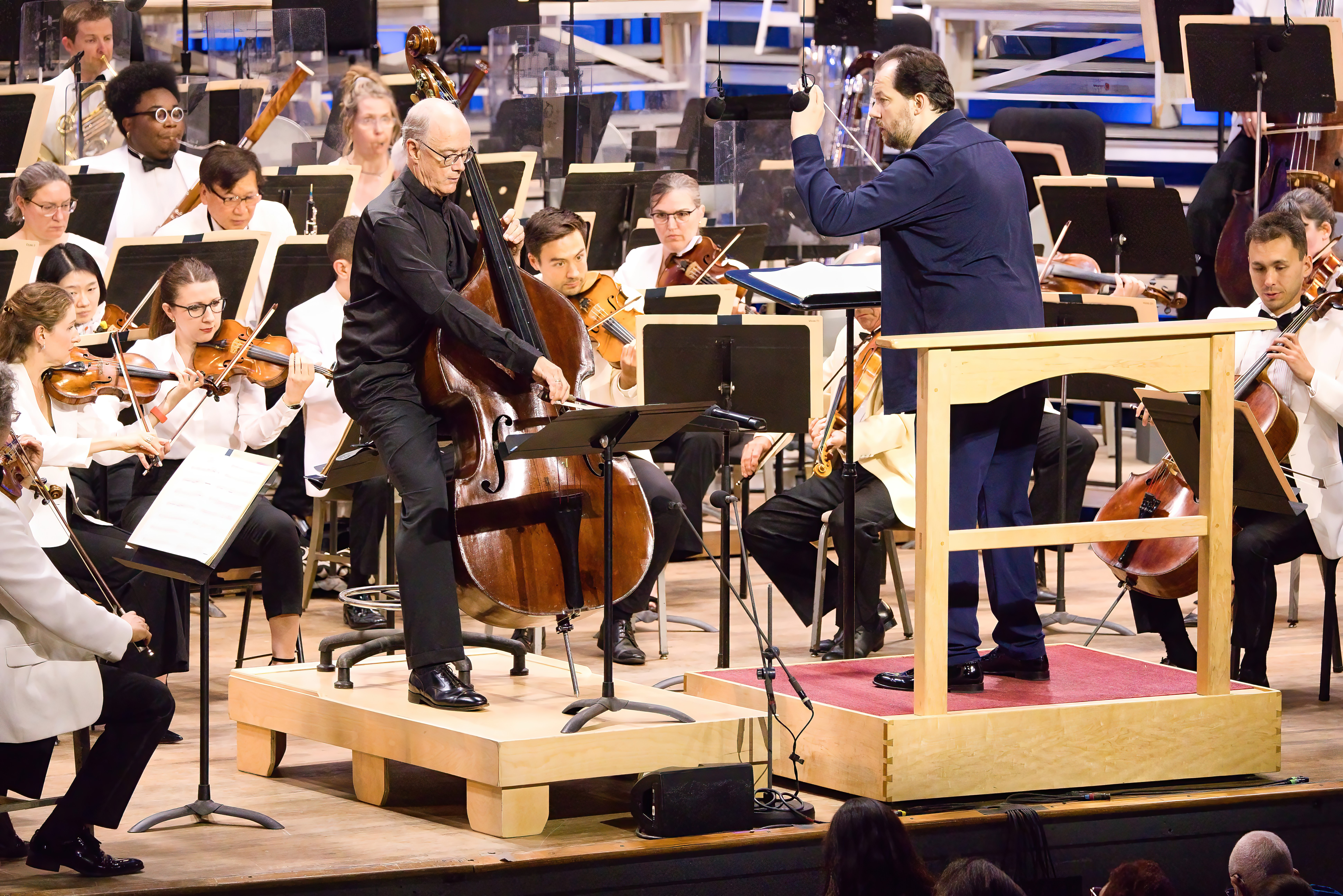
BSO principal bassist Ed Barker performs the Koussevitzky Double Bass Concerto on Koussevitzky’s own bass, with Andris Nelsons conducting. (Photo by Hilary Scott provided by the Boston Symphony Orchestra)

I was surprised to learn during my visit last weekend to the Tanglewood Festival, celebrating the 150th birthday of Serge Koussevitzky this summer, that the legendary conductor almost came to Cincinnati.

The distinguished music director of the Boston Symphony Orchestra from 1924 to 1949, Koussevitzky was also a composer, a virtuoso of the double bass, champion of new music and influential mentor of dozens of conductors and composers, including Leonard Bernstein and Aaron Copland. In a panel discussion I attended at Tanglewood, he was credited with literally rediscovering American classical music.

But before 1924, the Russian-born conductor was considering posts at the Cincinnati Symphony Orchestra and the Los Angeles Philharmonic. Perhaps his fate was sealed years earlier when Koussevitzky’s onetime teacher and former BSO music director Arthur Nikisch told him that he would oneday be music director of the BSO. (No worries: Cincinnati ended up with Fritz Reiner in 1924 instead.)

The Tanglewood Festival, summer home of the Boston Symphony Orchestra and Boston Pops in Lenox, MA, in the beautiful Berkshires, is a magical place. It has long been on my bucket list. This year, the festival welcomed critics and music journalists for the annual meeting of the Music Critics Association of North America. Our schedule included BSO concerts conducted by music director Andris Nelsons, panel discussions and a terrific Festival of Contemporary Music, curated by composers Steven Mackey and the Cuban-American Pulitzer Prize winning composer Tania León. Read More »
Memorable afternoons at the Linton Music Series

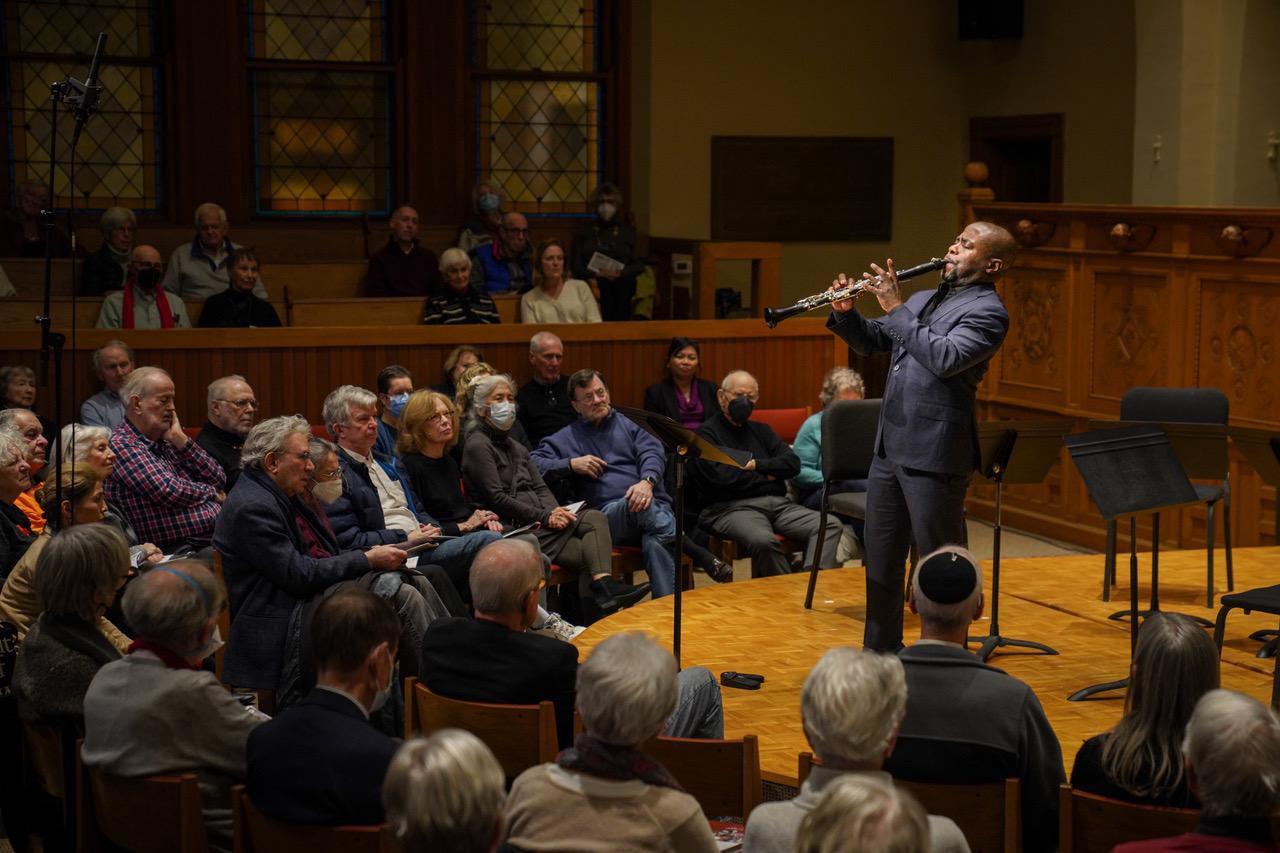
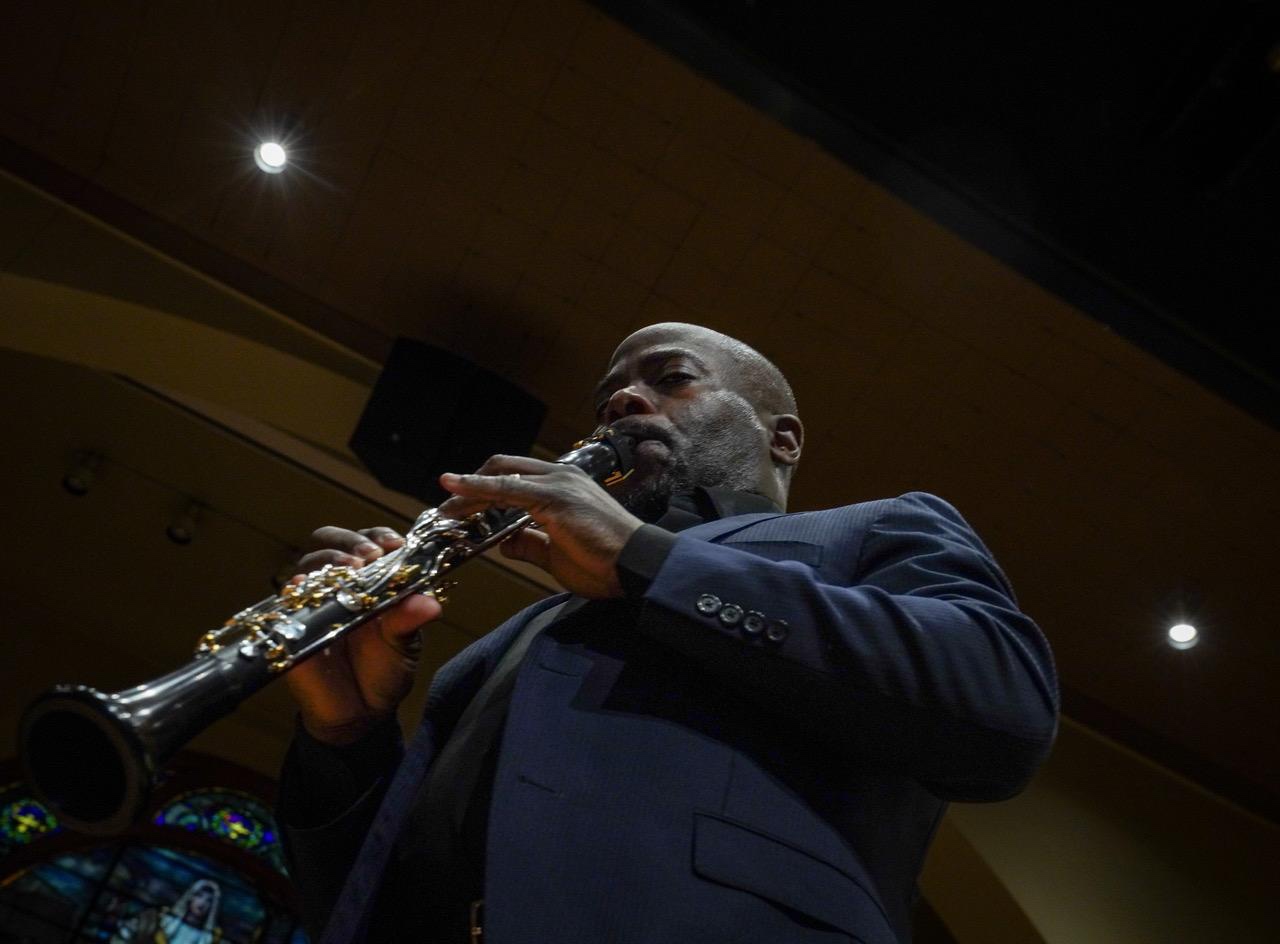
Anthony McGill performing “Principal Brothers” No. 3 by James Lee III

The Linton Music Series presented two inspiring concerts this month in memory of founding artistic director Dick Waller. I want to share some terrific photos taken by Tina Gutierrez for Linton, along with a few thoughts about the programs.

Yesterday, Linton welcomed back an old friend, clarinetist Anthony McGill. The principal clarinetist of the New York Philharmonic started his career as a 21-year-old associate clarinetist of the Cincinnati Symphony Orchestra. McGill spoke a bit about Dick Waller, former CSO principal clarinetist, who “showed him the ropes” and shared many dinners with him.

McGill opened the program with a wonderful work by his friend, James Lee III, “Principal Brothers” No. 3. Each of Lee’s “Principal Brothers” series is dedicated to a symphony music who is Black and a principal player. No. 1 is a flute solo for Anthony’s brother, Demarre McGill, principal flute of the Seattle Symphony Orchestra; No. 2 is for Titus Underwood, principal oboe of the Nashville Symphony; and No. 4 is for Bryan Young, principal bassoon of the Baltimore Chamber Orchestra. Lee’s three-movement piece for Anthony McGill was a ideal vehicle for the clarinetist’s beauty of line and expressive phrasing.

The remainder of the program consisted of two of the great clarinet quintets in music: Mozart’s Quintet in A Major, K. 581, and Brahms Quintet in B Minor. McGill was joined by Linton co-artistic directors Jaime Laredo, violinist, and Sharon Robinson, cellist, as well as violinist James Thompson and violist Milena Pajaro-van de Stadt.

Read More »

French strike impacts CSO concerts this weekend

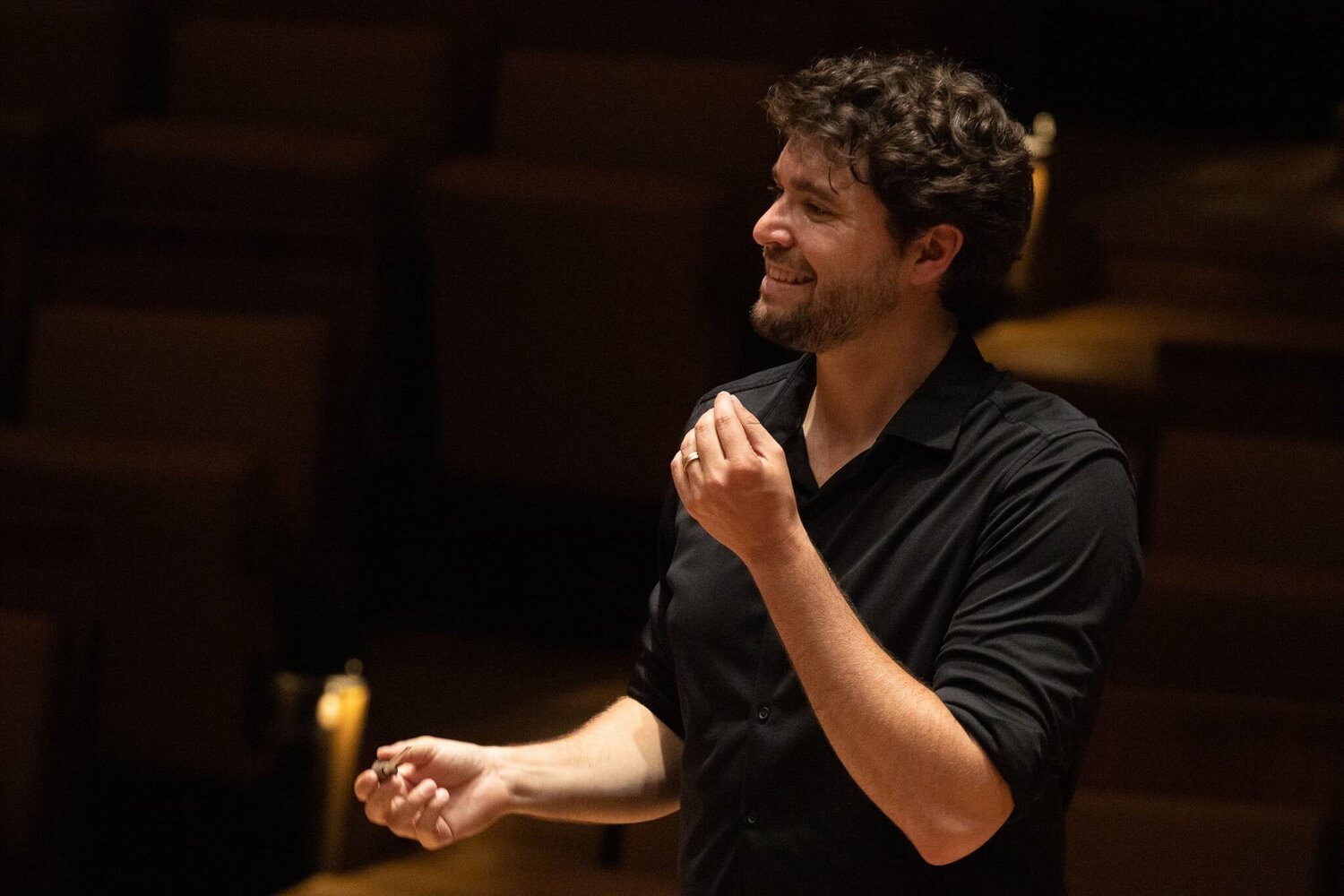
Maurice Cohn to step in at CSO this weekend. Photo by Ken Yanagisawa

The Cincinnati Symphony Orchestra is reporting that strikes that have been occurring in France over the last few days have caused “logistical complications” that will not allow music director Louis Langrée to be in Cincinnati this weekend to conduct concerts.

Langrée was originally scheduled to conduct performances of a program that includes Also sprach Zarathustra on October 21-23.

Maurice Cohn will step in to conduct all performances of the program this weekend.

The Wall Street Journal reports that thousands took to the streets today to protest rising energy bills and inflation. The journal reports  that striking teachers, railway and health workers staged marches in dozens of cities across France, joining refinery workers who are already on strike.

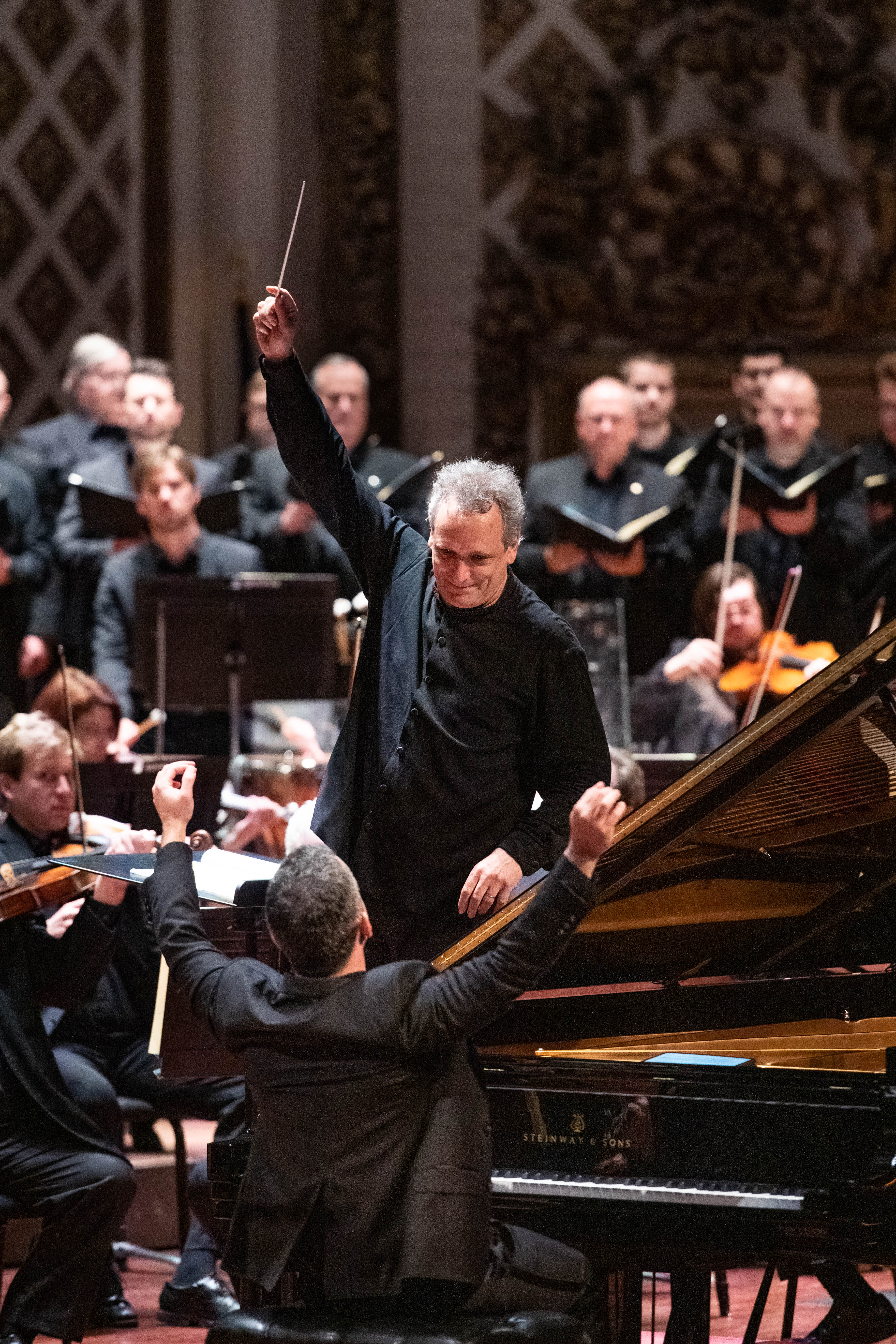
Louis Langree with soloist Inon Barnatan, the May Festival Chorus and Cincinnati Symphony Orchestra, AJ Waltz, photo

Travel has been “basically halted. He is just stuck there,” said the CSO’s VP of communications Felecia Tchen Kanney. In addition, Langrée is “in essence, an official in France,” as the director of the Opéra Comique. He was appointed by the president of France, Emmanuel Macron.

Because of the fluid situation, the orchestra had to make a quick decision to find a replacement, she added.

Cohn is a two-time recipient of the Solti Foundation U.S. Career Assistance Award, Maurice Cohn currently serves as Assistant Conductor for the Dallas Symphony Orchestra. He is a regular guest conductor with the Chicago-based contemporary ensemble Zafa Collective and is also the Assistant Conductor of the Aspen Music Festival for the 2022 season.

Pianist Hélène Grimaud is still scheduled to perform the Schumann Piano Concerto.

Concerts are 7:30 p.m. Friday and Saturday; 2 p.m. Sunday in Music Hall. Tickets: 513-381-3300, cincinnatisymphony.org.


Why we needed opera this year

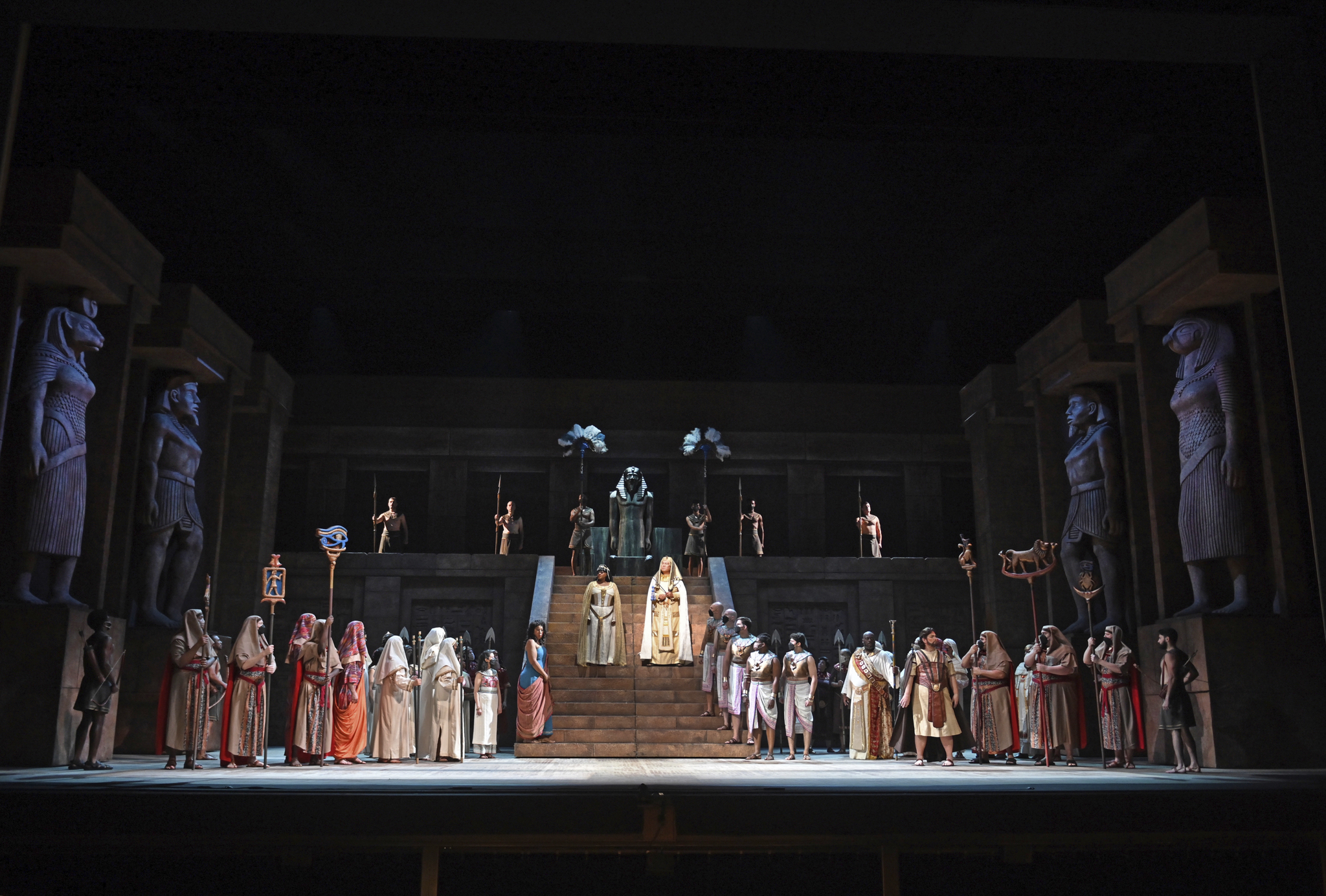
“Aida” photo by Philip Groshong

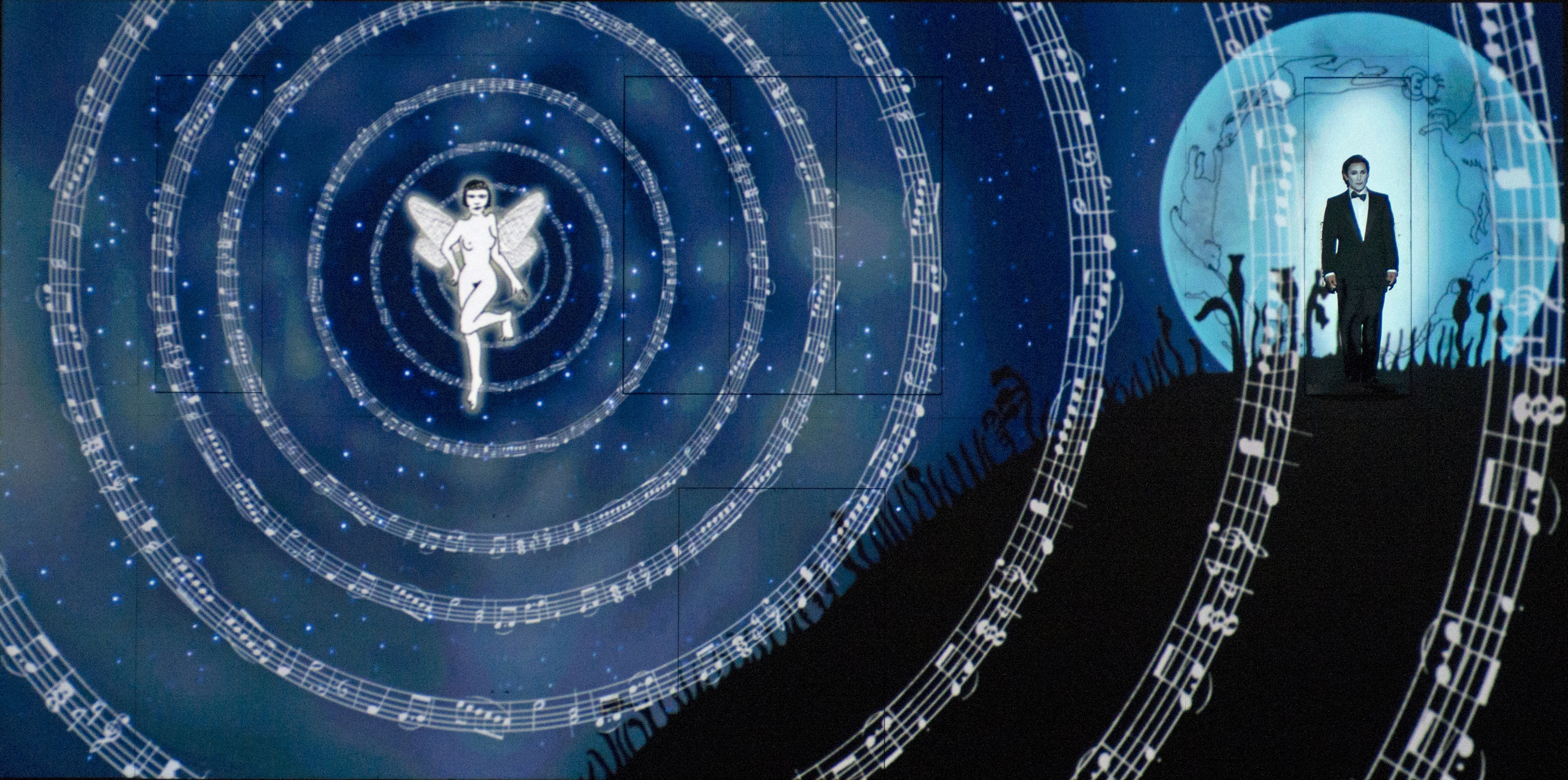
Cincinnati Opera returned to its Music Hall stage this summer after a two-year hiatus due to Covid. I’m sure there was trepidation in the company about whether the audience would return, just as new variants were emerging. Happily, audiences came. In fact, the total attendance for three grand operas in Music Hall and two new operas in a smaller venue at SCPA was higher than that of the 2019 season before the pandemic hit.

“We count our ‘return to Music Hall’ season a great success,” said general director and CEO Chris Milligan.

  • The company saw extraordinary national media coverage with reviews in the New York Times and Wall Street Journal and a story on NPR’s All Things Considered. Here’s a column about the international buzz surrounding this production.
  • Attendance exceeded that of the 2019 Summer Festival at 20,747, compared to 19,736 pre-pandemic.
  • The company met its revised revenue goal with $1.65 million in ticket sales.
  • Attendees from 42 states came to see performances.
  • There were zero canceled performances thanks to Covid-safety protocol.

Read More »

John Storgårds has to pull out of CSO concerts; Christian Reif steps in

Christian Reif

The CSO announced today that conductor John Storgårds has been forced to withdraw from this weekend’s Feb. 12 & 13 performances of Tango & City Noir. Conductor Christian Reif will step in on short notice to lead a slightly revised program which opens with Arturo Márquez’s Danzón No. 2 in place of Philip Glass’ Canyon.

The German-born conductor is former resident conductor of the San Francisco Symphony.

The revised program is below.

Saturday, February 12, 7:30pm

Sunday, February 13, 2:00pm

Cincinnati Music Hall

Tango & City Noir

Christian Reif, conductor

Ksenija Sidorova, accordion

Arturo MÁRQUEZ            Danzón No. 2

Astor PIAZZOLLA              Acongagua

John ADAMS                     City Noir

Information: 513-381-3300, cincinnnatisymphony.org

Inauguration music to feature fanfare with CSO ties

Don’t forget to stream the inauguration orchestral fanfares at noon today, featuring 14 musicians from across the nation, including one from Cincinnati. You’ll find the livestream on social media and at cincinnatisymphony.org …

In the meantime:

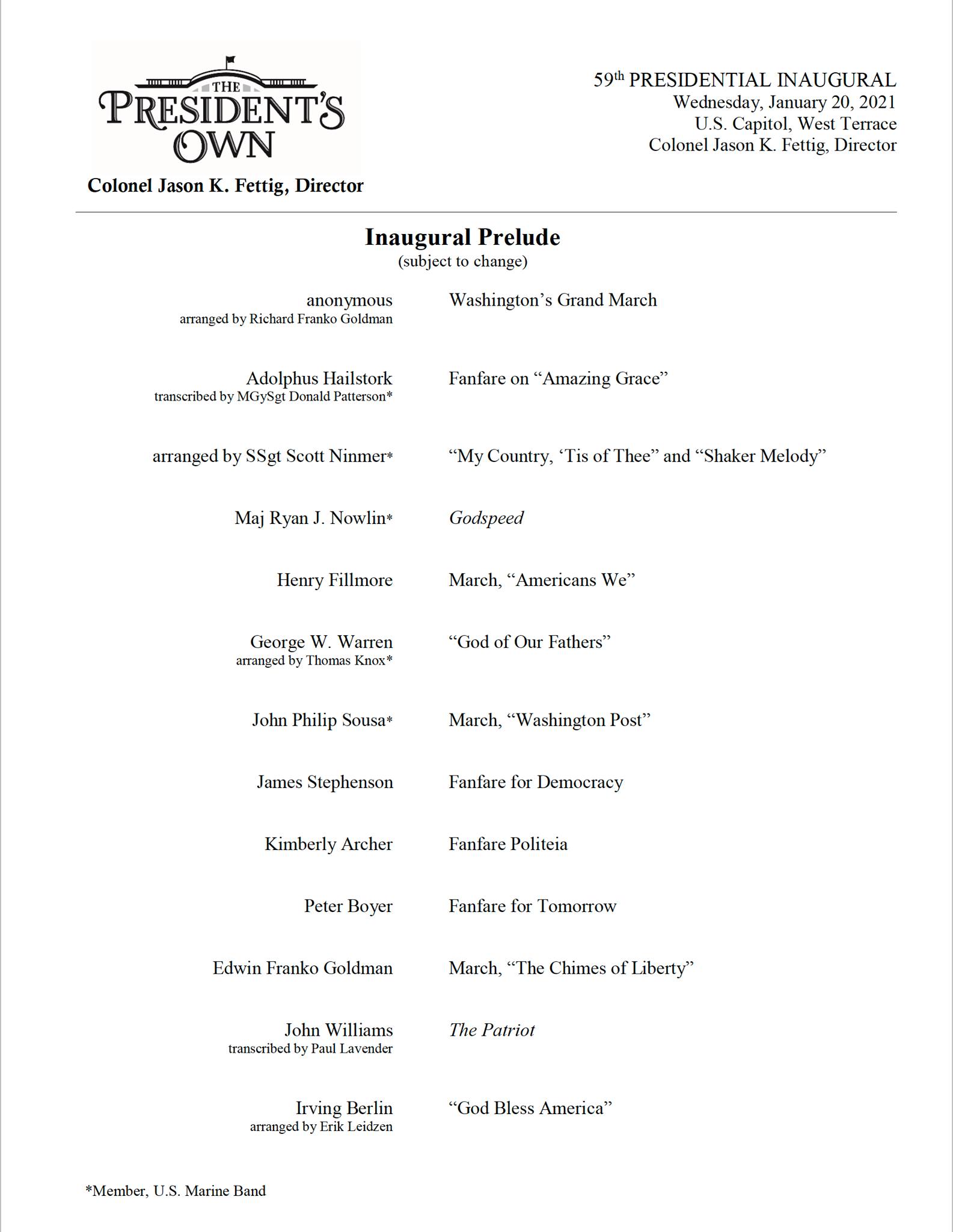
Composer Peter Boyer — well known to the CSO and Pops — announces that the United States Marine Band has commissioned him to compose a new piece of music to be premiered at the Inauguration of Joe Biden as the 46th President of the United States. His new work, “Fanfare for Tomorrow,” will be performed as part of the one-hour Prelude music of the Inauguration ceremony, conducted by the Marine Band’s director, Colonel Jason Fettig, at the U.S. Capitol on January 20. The Inaugural Prelude takes place from 10 am to 11 am EST.

“Fanfare for Tomorrow” began as a brief piece for solo French horn, originally commissioned by the Cincinnati Symphony Orchestra last year, as part of their Fanfare Project in response to the pandemic.

“I have significantly expanded and developed that music for a full concert band for this commission (and I will be preparing an orchestral version also),” Boyer says.

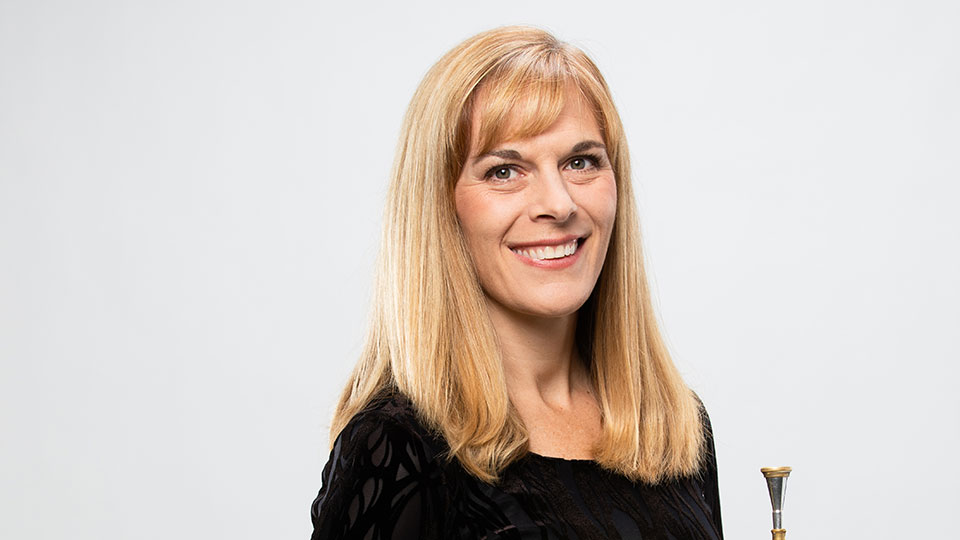
Here’s the link to the CSO version– performed by the CSO’s Elizabeth Freimuth.

The Prelude program also includes music by American composers Kimberly Archer, Adolphus Hailstork, Jim Stephenson and John Williams. Boyer says that CSPAN will include complete coverage of this early event.

The U.S. Marine Band will also accompany Lady Gaga in the National Anthem during the ceremony.

Uncommon music for an inauguration

CSO principal horn Elizabeth Freimuth

In what is the strangest year any of us can remember, one musical tribute to the incoming president and vice president will also be unusual.

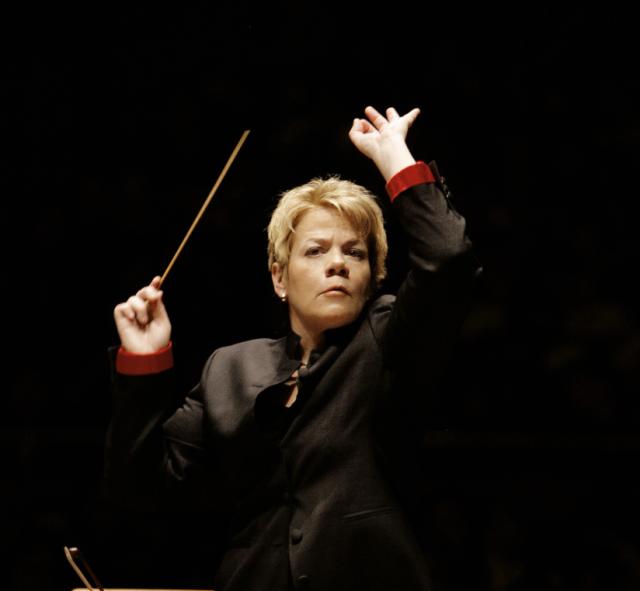
In an effort to promote some badly needed “hope and harmony,” conductor Marin Alsop and Classical Movements, a concert tour company for classical orchestras and choirs, have come together to honor the inauguration next week of Joe Biden and Kamala Harris. They will present a livestream performance by the Hope & Harmony Ensemble comprised of 14 musicians from 14 American orchestras. Principal hornist Elizabeth Freimuth will represent the Cincinnati Symphony Orchestra.

The livestream over social media and orchestra websites will be at noon EST on Jan. 19 — the day before the inauguration. The music will feature Aaron Copland’s Fanfare for the Common Man (which Copland wrote for the Cincinnati Symphony Orchestra as a wartime fanfare) and Fanfare for the Uncommon Woman, composed by American composer Joan Tower, the first woman to win the Grawemeyer Award in music. Tower’s Fanfare is often viewed as a response to Copland.

Marin Alsop/photo by Grant Leighton

The works to be conducted by Alsop will honor Joe Biden with Copland’s Fanfare. Tower’s Fanfare honors Kamala Harris as the nation’s first female vice-president.

There is unifying symbolism in the coming together of 14 musicians from across the nation, from sea to shining sea.Read More »

CSO announces 5 new diversity fellows

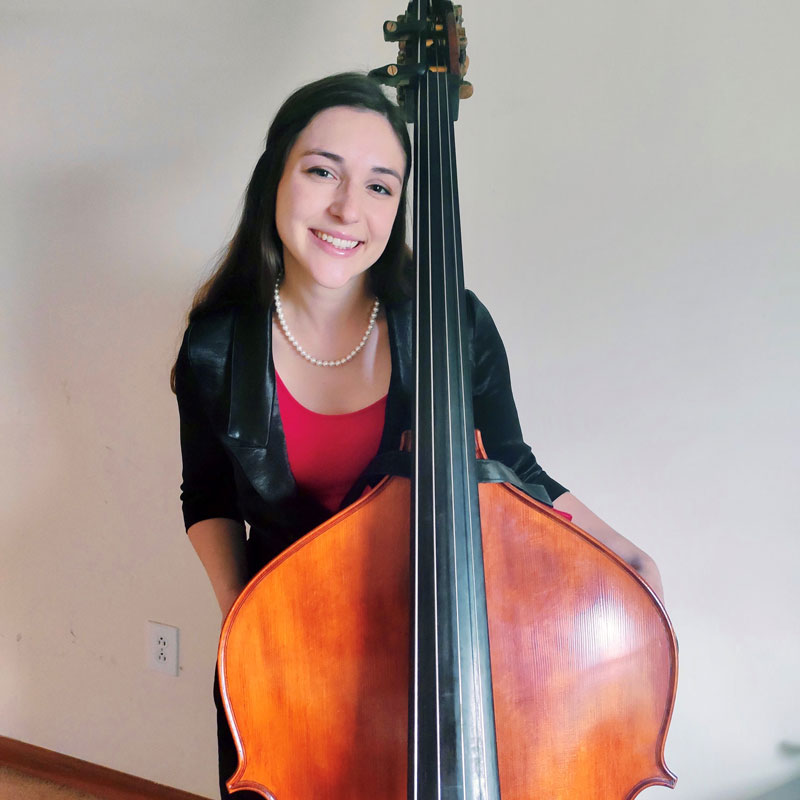
Amy Nickler

The University of Cincinnati College-Conservatory of Music (CCM) and the Cincinnati Symphony Orchestra (CSO) have selected five accomplished musicians for their next class of CSO/CCM Diversity Fellows.

The performance fellowship program was launched in 2015 out of a desire to help American orchestras be more inclusive and to better represent the communities they serve. The mission is to eliminate obstacles that can prevent musicians of color from achieving their full potential. It is funded with a grant from The Andrew W. Mellon Foundation.

Through the collaborative program, CCM and the CSO provide graduate level academic study
and professional development and performance opportunities for the Diversity Fellows.

“The Cincinnati Symphony Orchestra exists to serve our community. Our entire community,”
said CSO President Jonathan Martin. “But how can we authentically serve our entire community
if a significant part of that community doesn’t see themselves reflected in our organization? The
CSO/CCM Diversity Fellowship is one of many steps we are taking to address this disparity. By
providing professional opportunities to a more diverse group of outstanding musicians, we hope
to cultivate—and begin changing —the next generation of American orchestral musicians.”

The new Fellows are:Read More »

Cancellations, digital programs, relief funds: How Cincinnati’s arts organizations are coping with COVID-19

A previous production of The Magic Flute/ provided by Cincinnati Opera

Cincinnati Opera’s news yesterday that it must cancel its 2020 Summer Festival — the company’s 100th anniversary — was just the latest in an ongoing wave of arts cancellations due to COVID-19. Because of extended stay-at-home orders and closures, it was literally impossible to begin set-building and rehearsing, let alone fly in the international stars who were coming from Italy and the Czech Republic.

I doubt that entire seasons have ever been canceled for such a plague, although world wars have interrupted some. Of the many arts organizations that I have interviewed this month, a few leaders have predicted to me, that, until people feel comfortable being with other people in a theater, museum or a concert hall (and you can add to that, restaurants and stadiums), they will not return. And that won’t happen until there is a vaccine.

As Ensemble Theatre’s D. Lynn Meyers tells me in Friday’s Business Courier, we all thought things would be closed for a weekend, and then it would be back to normal. Now we talk about the “new normal.”

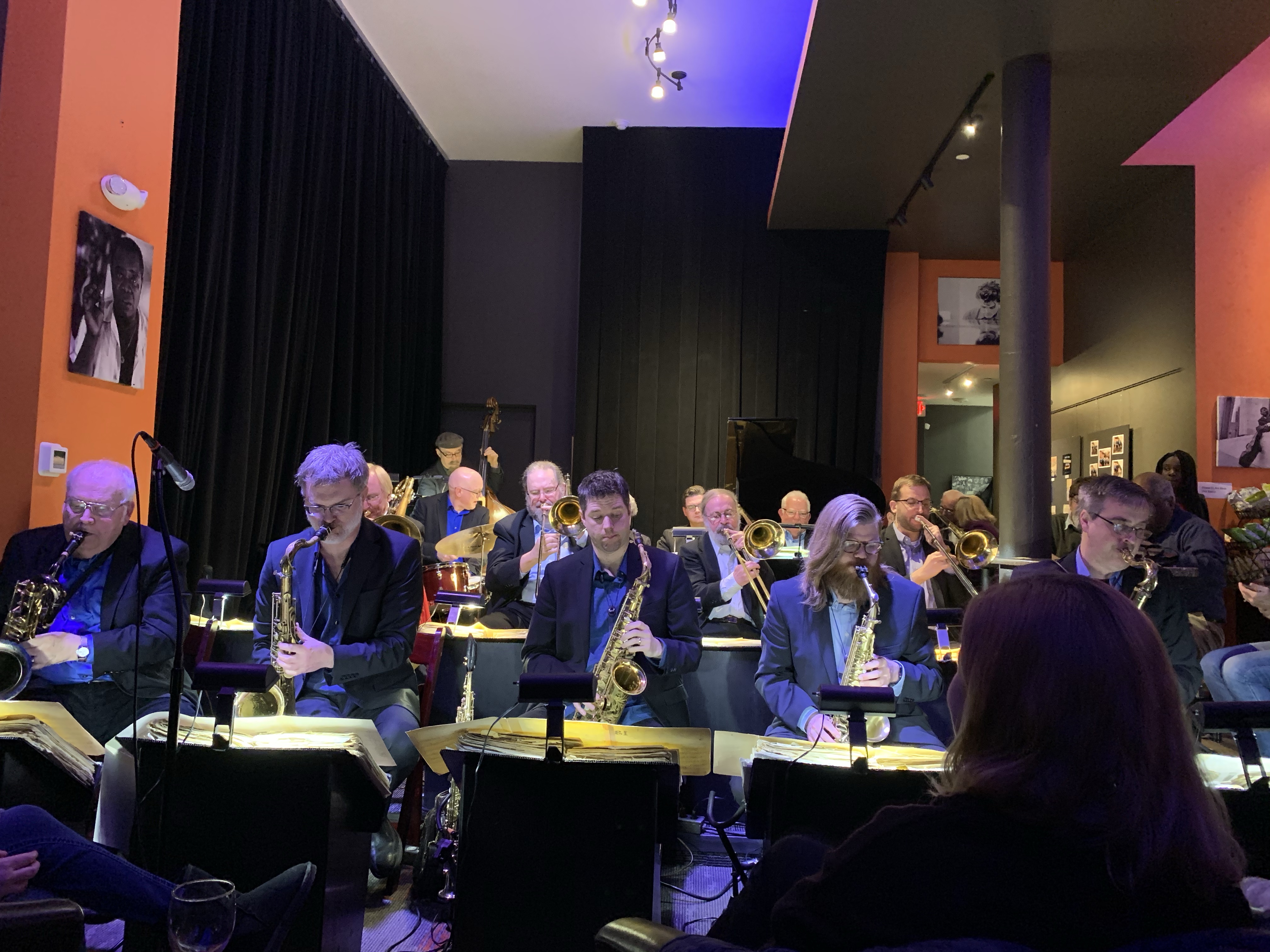
The Blue Wisp Big Band at Caffe Vivace last month.

I began observing how the coronavirus was impacting our city’s freelance musicians about a month ago, when restaurants closed, and musicians began streaming their music live from empty bars, for tips. That article, “Virtual Reality,” on April 3, included some jazz musicians, as well. Trumpeter Matt Anklan, an adjunct at Miami University, said that 60 percent of his income is from freelance jobs — now completely gone.

A spot check of Cincinnati’s major arts organizations, “Critical Stage” on April 10, told stories of how groups are struggling to hang onto their staffs even as they tally their losses. Losses will be big. ArtsWave — which was just midway through its annual, $12.4 million campaign when the virus hit — predicts that losses in Cincinnati’s arts community could top $30 million if there is no arts activity all summer.

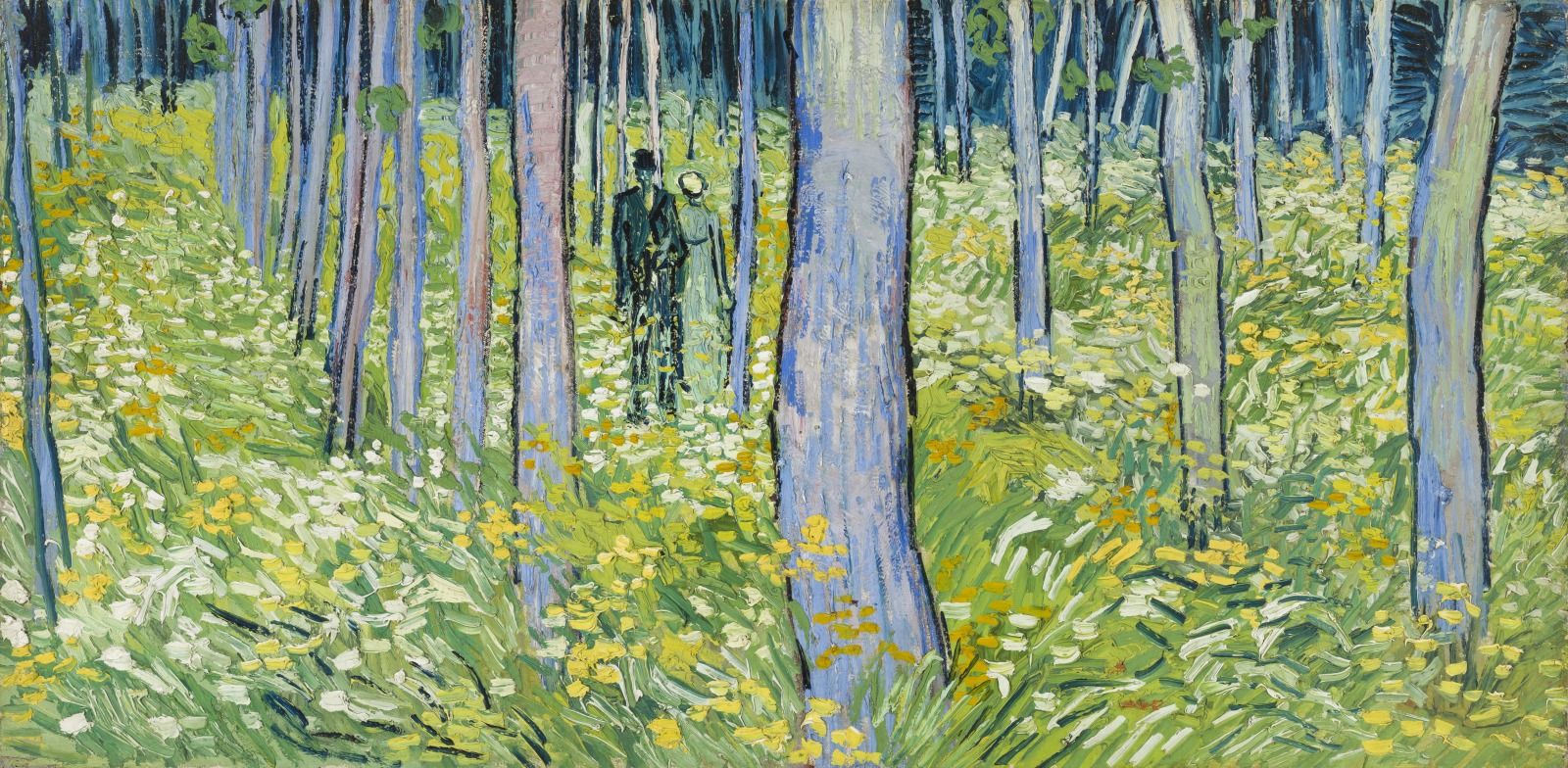
Van Gogh’s Undergrowth with Two Figures at Cincinnati Art Museum

Still, there was a note of optimism, despite the expected red ink. Cincinnati Art Museum’s Cameron Kitchin told me, “The arts are about connecting and inspiring. What greater time of need do we have for inspiration and connection than right now, in this time of social distancing and flickering hope? If we look at what the arts to able to provide for humanity, this is a moment where we are called to action.”

Friday’s article (April 17) is about how small and mid-sized arts groups in our region are coping. There will be more stories to come, including some with good news of how people are stepping up in a time of crisis.

As I wrote in a column at the very beginning of the trickle of online arts offerings — now a tsunami — the arts offer escape, joy and comfort. Don’t forget, these organizations can’t wait to welcome you back, live and in person, when we all reach the other side.

CSO, Pops, May Festival cancel all concerts for the rest of the season


The May Festival has canceled its entire season due to Covid-19.

It’s not surprising, but the Cincinnati Symphony Orchestra and Cincinnati Pops Orchestra announced this morning that they are canceling all concerts and events through the remainder of the season due to the coronavirus.

In addition, the entire Cincinnati May Festival season is canceled, as well as performances by the professional chorus, the Vocal Arts Ensemble.

This year is the orchestra’s 125th anniversary season.

Of course, financially the effects of Covid-19 will be disastrous for all of Cincinnati’s major arts organizations. We await to learn whether Cincinnati Opera will be able to mount its much-anticipated 100th anniversary season, to open in June.

Here’s the CSO’s announcement with a listing of cancellations:

In compliance with Governor Mike DeWine’s standing mass-gathering prohibitions and the recent directive to stay at home, and given ongoing travel bans, international quarantines and the continued disruption of normal business activity caused by the Coronavirus, the Cincinnati Symphony Orchestra announced today the cancellation of all CSO, Cincinnati Pops and May Festival concerts and events through May 31, 2020.

The CSO had previously cancelled concerts and events through April 5. President Jonathan Martin said that in light of the deepening national health crisis, the organization had no choice.Read More »