
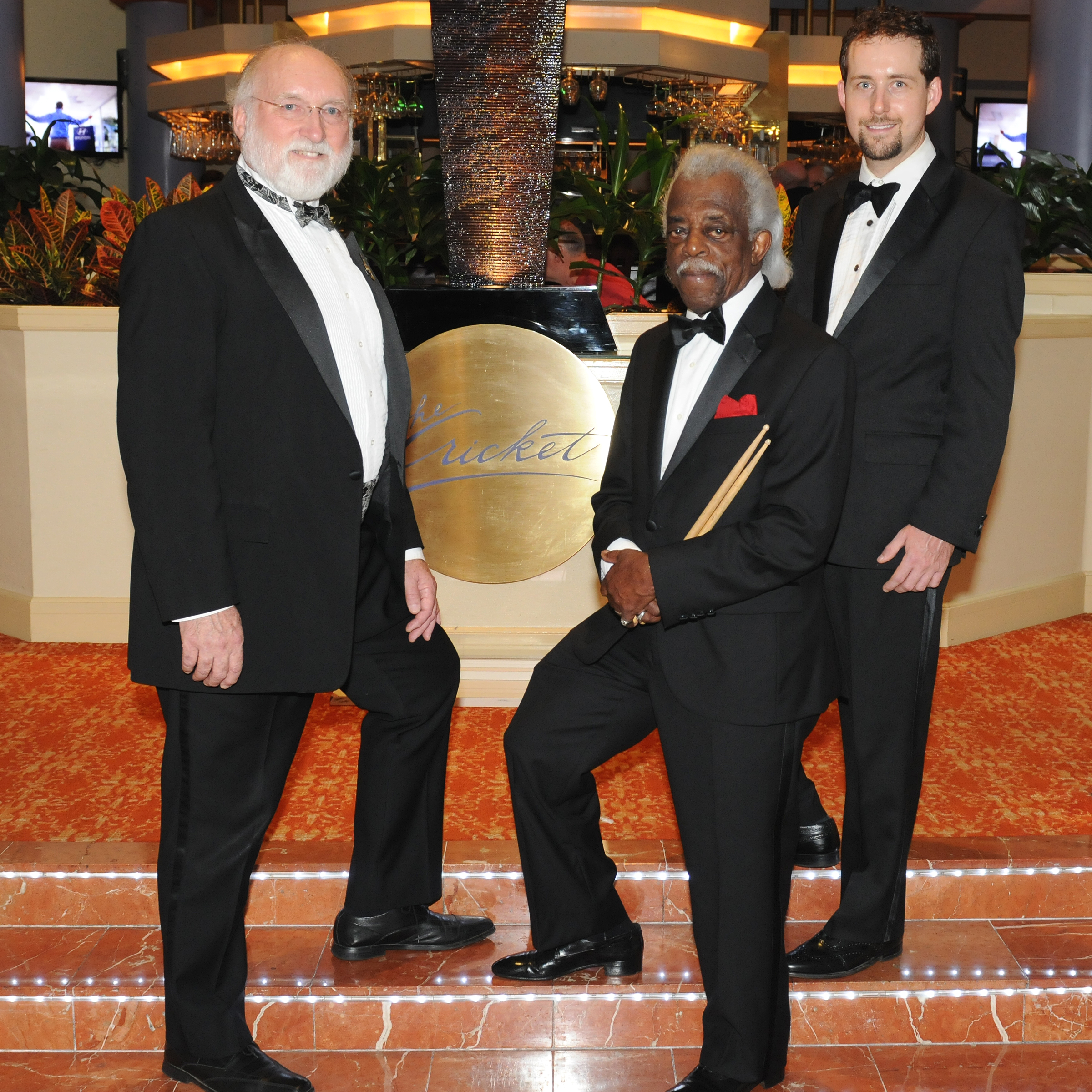
More than 50 years after playing his last session at King Records, drummer Philip Paul was still performing in jazz clubs and restaurants around Cincinnati.
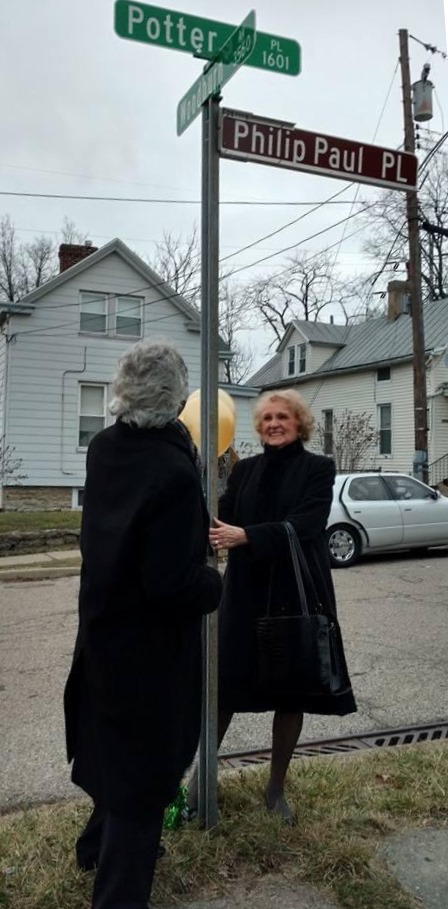
Mr. Paul – who in person was quiet and always sharply attired – performed over a span of eight decades. Over that time, he became known for his meticulous playing and versatility of style, whether it was blues, country or rock ‘n’ roll. A street was named for him in Cincinnati. He shared his talent and encouraged young musicians. He was world-renowned. The last time Paul McCartney was in town, the Beatles legend wanted to meet Philip Paul.
The former studio drummer for King Records played on the original recordings of “The Twist” and “Fever,” and continued playing with his latest trio until just a few months ago. Mr. Paul, who lived in Evanston not far from King Records, died on January 30 at age 96.
“No one represented the amazing story of King Records better than Philip Paul. King was the most eclectic independent label and Phil’s drums can be heard on the entire rainbow of genres the label produced – driving R&B, jazz ballads, bebop, doo-wop, Country & Western, even bluegrass,” musician and music journalist Larry Nager wrote to me from Hawaii, where he now lives. “As a drummer he had more flexibility than, say, a tenor sax player or guitarist in not being locked into a single style. He even developed his own way of playing country rhythms, using a stick and a brush on his snare to create that “boom-chang” sound. But it was Phil’s calm and coolness and his skill at listening – perhaps the most important skill for a musician – that made him such a great sideman. He was the perfect ambassador for the King legacy, which had been neglected for far too long in a city known for celebrating almost everything about itself, from baseball to chili.”
A few years ago, I enjoyed listening to jazz at the Cricket Lounge in the Cincinnatian Hotel. It was the Billie Walker Trio, featuring that wonderful pianist, now gone. Setting the tone for the trio, unobtrusively and smoothly, was a superb drummer named Philip Paul, with the trio’s longtime bassist Ed Conley.
Mr. Paul’s playing was sophisticated, effortless. It was unforgettable for nearly anyone who ever heard him — or even better, played with him.
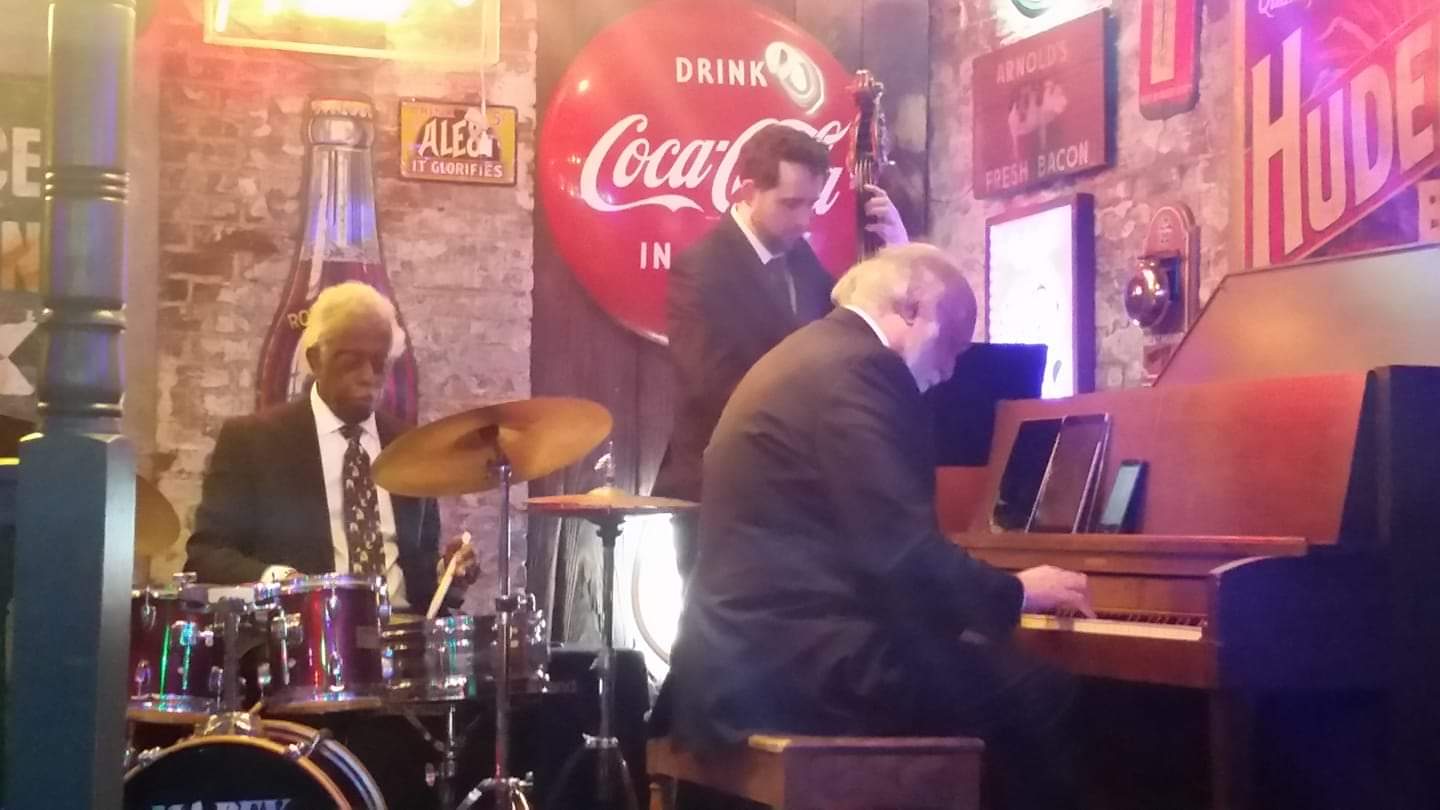
“Philip was a real gentleman in his demeanor, his playing, and his whole being,” said pianist Tom Schneider, who played in Mr. Paul’s current trio up to his last performance at Symphony Hotel in June. “He was soft-spoken. It was easy to work with him. Even though it was the Philip Paul Trio, he loved the music we did. We mixed it up with different styles – bossa nova, jazz and blues and ballads, and Philip was always there as the perfect tenor of the sound, the perfect beat. He could play so many different styles.”
Matt Holt, a CCM-trained bassist, joined the trio right around Mr. Paul’s 90th birthday.
“That blew me away, because I had guessed he was maybe late 70s,” Holt said. “The unique things that he brought to the community, he had that old-school put-together poise. He never showed up to a gig not immaculately dressed, not a hair out of place. He was always very professional about everything.”
Musically, Holt considered him a “melodic” drummer. “I could always hear the melody in what he was playing. I don’t know what he did to accomplish that,” Holt said. “Also, he could swing really hard without playing loudly at all. We had to be a certain volume level at the Cricket Lounge. He never overpowered that room with the drums. He always swung hard, but had a lot of energy and finesse in how he played the drums.”
The studio drummer for King Records from 1951 to 1965, Mr. Paul was one of the most influential people at the beginning of rock ‘n’ roll. He played on more than 350 King session recordings. Notably, he’s credited with creating the beat for “The Twist” on the original recording by Hank Ballard and the Midnighters. He’s on the original recordings of Little Willie John’s “Fever,” Charles Brown’s “Please Come Home for Christmas,” Tiny Bradshaw’s “Train Kept a Rollin’” and Wynonie Harris’ “Good Rockin’ Tonight.”
And he’s the drummer on nearly every record by Freddie King, including “Hide Away” and “Tore Down.”
King Records wasn’t kind to its musicians, Nager said.
“You won’t even find them listed on the original LPs. Philip Paul’s music was heard by millions throughout his career, even though listeners had no idea who was playing drums on ‘Hide Away’ or ‘Fever’ or ‘The Twist,’” Nager said. “But when Philip Paul died at 96, he was a household name in his adopted hometown. The music business is notoriously tough on older musicians, but the last part of his life was happy and busy and filled with awards and honors and recognition. In the last 25 years, Cincinnati – and the world – finally got to hear from Philip Paul the man.”
“There were relatively few of us who drummed at King Records: “Philip, now gone, Beau Dollar, who died in 2011, and Clyde Stubblefield, the king of them all with James Brown, who passed in 2017,” said Carmon DeLeone, drummer and music director for the Cincinnati Ballet. “Philip Paul was an excellent drummer and a dear friend – always soft-spoken and kind. He was an important link to our musical past and will be greatly missed.”
Mr. Paul was born in Harlem, New York in 1925. His father, Philip Paul, Sr., came to the U.S. from St. Croix, and played with his brothers in their own Afro-Caribbean jazz band at night. Mr. Paul received his first drum set at 9. By 13, he was playing in his father’s band. A few years later, he was playing with legends including saxophonist Sonny Stitt and Dizzy Gillespie at the Savoy Ballroom in Harlem.
“He had grown up around a lot of the legends, and he knew them personally. He actually played at Minton’s Playhouse with Charlie Parker and Miles Davis,” said Holt. “He’d played some gigs with Dizzy Gillespie. He was on tour with Sam Jones and Sonny Stitt. So it was the connection that he had to those names that I think of as legends. He had personal stories about interacting with them. I didn’t find out for years, because he never name-dropped. I’d find out these little things. I’d call them ‘Philip Paul moments.’ He’d say, ‘Bird came in,’ and would say, ‘You mean like Charlie Parker Bird?’ He never bragged about it. It came out in little bits.”
Mr. Paul moved to Cincinnati to play with the Tiny Bradshaw Orchestra at The Cotton Club, the top nightspot for Black patrons. It was there that he met his first wife, Juanita, a dancer. Around the same time, Syd Nathan invited him to become session drummer for King Records.
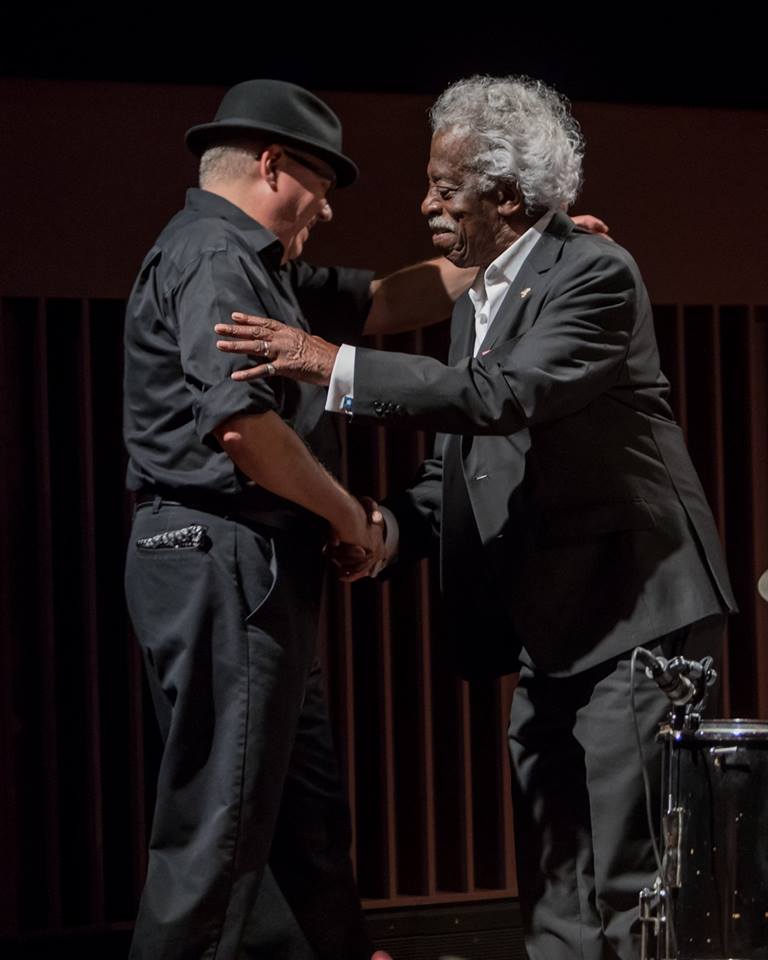
King Records’ diverse lineup of artists ranged from the great blues singer Wynonie Harris and blues guitarist Freddie King to country sessions with people like Bonnie Lou and Grandpa Jones. In that way, he was forward-thinking, said blues and boogie pianist Ricky Nye.
“The thing about King Records, they were recording what they called hillbilly music and Rhythm and Blues, and Syd had a tactic where he’d would take a country tune and have an R&B artist record it,” Nye said. “That’s the thing about Philip – he was just a musician through and through. He didn’t draw any lines. He’d play on a country session, and he’d play on a rock ‘n’ roll session, like Hank Ballard and the Midnighters. He was like a lot of other drummers that started out as jazz drummers and then found their way into more roots music, into R&B and rock n roll.”
In the late ‘60s, Mr. Paul recorded for Columbia Records as the drummer with the Roy Meriwether’s gospel-influenced trio. He toured with jazz artists such as Herbie Mann and Nat Addlerly. He played in the Woody Evans Trio in country clubs and nightclubs throughout the region for 25 years. Mr. Paul played house gigs for years, including six years at the Carrousel Inn on Reading Road.
In 2003 he released his own album, “It’s About Time.” Jazz pianist Steve Schmidt played on that album, along with Peter Frampton, Kenny Poole, Marcos Sastre, Roland Ashby, Sam Jackson, Ed Conley and Mike Sharfe.
“He was just the coolest, hippest guy in the best sense of those words. His playing was like that too,” Schmidt said. “He was a supportive team player kind of guy and always had a good feel. His spirit always came through, whether he was playing the drums or not playing the drums. He could swing when it came to playing jazz. Jazz was his first love, but they did all kinds of stuff at King – boogaloo and rock beats.”
In 2009, Paul and his wife, Juanita (now deceased), were honored at the Rock and Roll Hall of Fame and Museum in Cleveland as part of “From Songwriters to Soundmen: The People Behind the Hits.” The same year he received an Ohio Heritage Fellowship, the state’s highest honor for traditional artists.
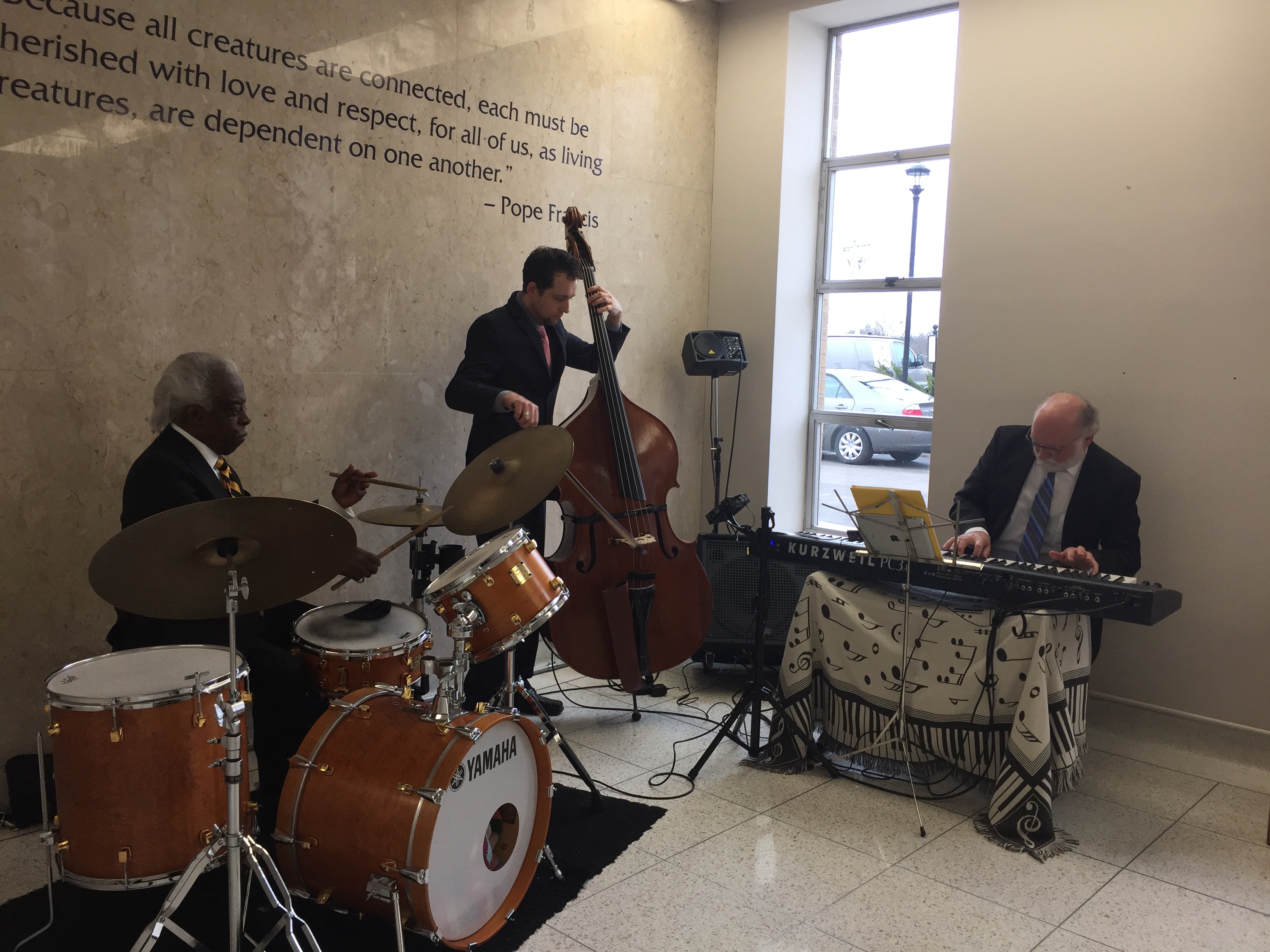
In 2016, Mr. Paul was inducted into Cincinnati’s Jazz Hall of Fame.
In 2018, Playhouse in the Park presented KJ Sanchez’s “Cincinnati King,” about the heyday of King Records. Sanchez went right to the source, interviewing Mr. Paul extensively for the play, and his character had a leading role.
“He was a formidable musician. He made his mark in the world, and he was getting love right up to the end,” Nye said. “You think of how many artists die in poverty and obscurity. He was 96 years old and still playing. We could all be so lucky to live so long and be vibrant and vital and loved.”
Mr. Paul is survived by his wife, Roberta “Bobbie” Paul.
Chris Richardson has a terrific archive of history and recordings here.
Read more about Mr. Paul at the Cincinnati Jazz Hall of Fame.
Discover more from janellesnotes
Subscribe to get the latest posts sent to your email.
