Soprano Kathryn Lewek triumphs in Strauss shocker ‘Salome’

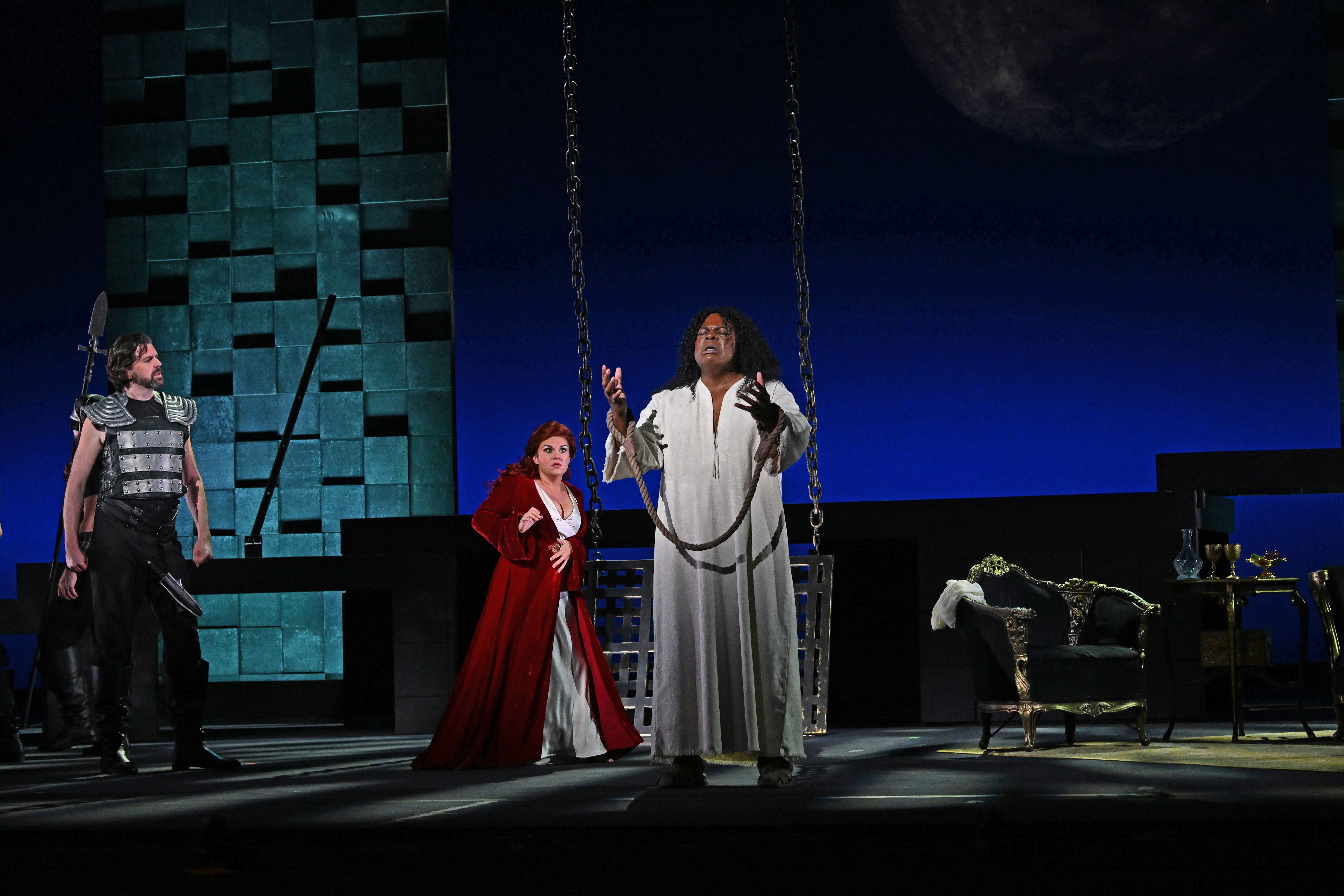
Jochanaan (Alfred Walker) is repulsed by Salome’s (Kathryn Lewek) infatuation. Tenor Zach Borichevsky, left, performed the role of Narraboth, captain of the guard. Photos by Philip Groshong are provided by Cincinnati Opera


For his opera about the depraved princess Salome who performs the “Dance of the Seven Veils” for Herod in return for the head of John the Baptist on a platter, Richard Strauss wanted “a 16-year-old princess with the voice of an Isolde.”

In her role debut as Salome at Cincinnati Opera on June 18, soprano Kathryn Lewek fit the bill spectacularly with vocal intensity and blazing high notes. She delivered a searing performance, singing with unflagging fervor all the way through her final, lurid moments of necrophilia with the severed head. The audience in Music Hall for the season opener on June 18 was riveted from beginning to end by the production staged by Jose Maria Condemi and conducted by Robert Spano.

“Salome” was last produced by the company in 2000 under then-artistic director Nic Muni. More than 120 years after its premiere, Richard Strauss’ opera “Salome” is still a shocker. The biblical story — which refers to Salome not by name but as the daughter of Herodias — may be found in the New Testament. Jochanaan, the prophet known as John the Baptist, was a prisoner of Herod, the tetrarch of Judea and Salome’s stepfather. It was Oscar Wilde who embellished the story, and Strauss based his 1905 opera on Wilde’s play. Hedwig Lachmann’s German translation of the play forms the libretto, with judicious trims made by Strauss.

The production was from San Diego Opera, which was also staged by Condemi, now a faculty member at the University of Cincinnati College-Conservatory of Music. A single, modernist scenic design (Tim Wallace) served the one-act opera. The palace terrace consisted of large stone pillars and an expansive ramp with steps going down to the floor where the cistern lay.  A large, full moon loomed over the proceedings, and Thomas C. Hase’s effective lighting design followed the drama, sometimes bathing the entire stage in blood red. Lavish costumes (Anita Yavich) fit the period.

An exceptional cast told the story. It was Lewek’s second role debut with Cincinnati Opera’s summer festival after making an impressive debut singing Gilda in Verdi’s “Rigoletto” last year.

Lewek, as Salome, dashed impetuously onstage (coming from Herod’s banquet), and instantly became infatuated with the prisoner in the cistern, Jochanaan. She sang with a voice of beauty throughout her range, easily making Strauss’ difficult vocal leaps and tackling the lower register with clarity. She poured out her feelings in long, rapturous streams of love for Jochanaan’s skin, his hair, his lips, eventually crawling on her belly to grovel at his feet.Read More »

Isabel Leonard to make Cincinnati recital debut

Isabel Leonard will make her Cincinnati debut in recital on Dec. 1/photo by Sergio Kurhajec

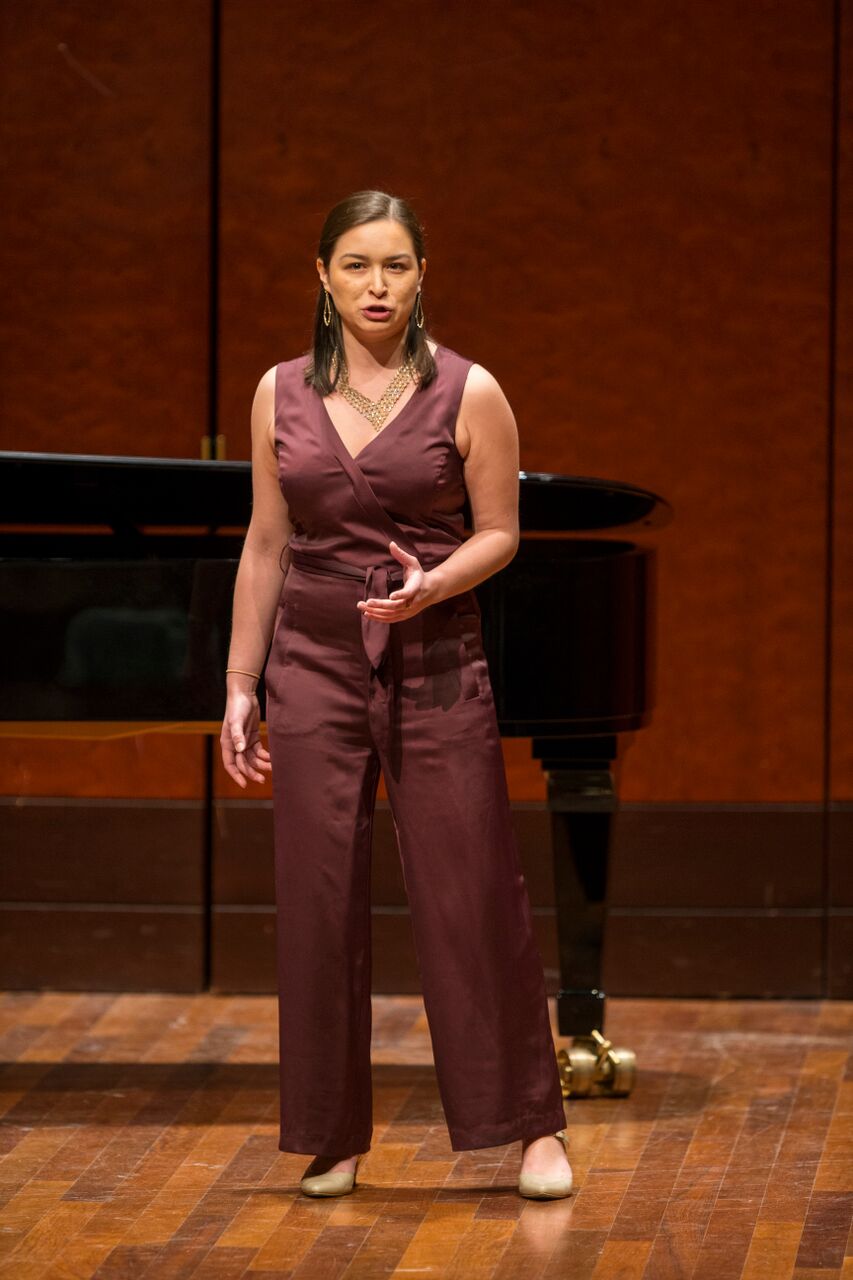
Opera star Isabel Leonard has been wowing audiences and critics around the world. She’s about to make her Cincinnati recital debut.

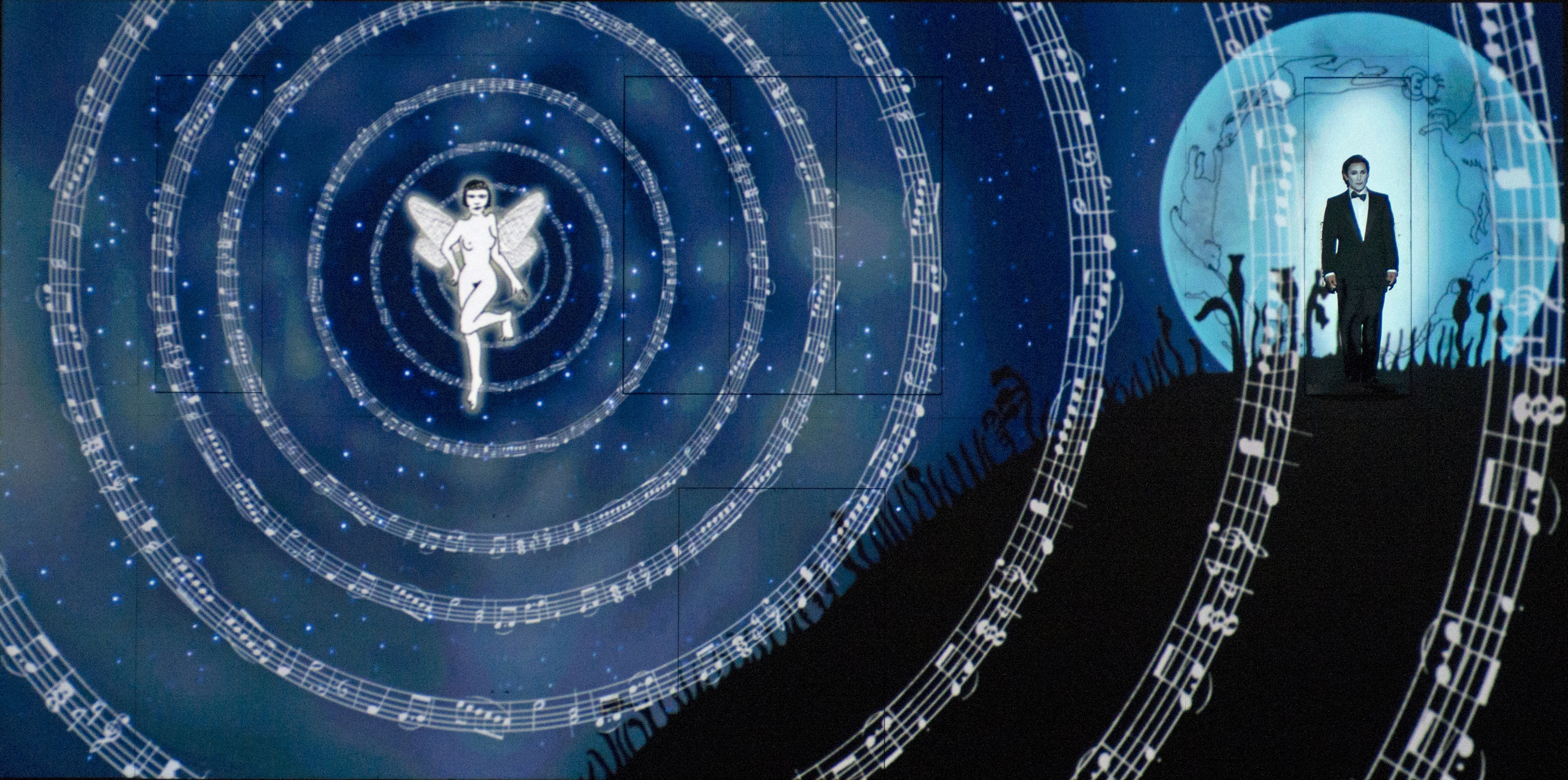
The singer, a mezzo-soprano and New York native, was scheduled to perform one of her signature roles, Rosina, in Rossini’s The Barber of Seville during Cincinnati Opera’s 100th anniversary season in 2020. We all know what happened — Covid caused the whole season to be canceled. Nevertheless, she did a charming podcast with artistic director Evans Mirageas, available here.

Finally, we’ll have a chance to hear Leonard’s artistry in some of her signature operatic arias and much more when she performs a recital with collaborative pianist John Arida for Matinée Musicale Cincinnati on Dec. 1 at Memorial Hall. The concert is at 5 p.m.

Since making her Metropolitan Opera debut as Stéphano in Charles Gounod’s Roméo et Juliette in 2007, she has sung on the world’s leading stages in a range of repertoire. This season (in June 2025), she’ll reprise Rosina in Damiano Michieletto’s production of Il barbiere di Siviglia at the Opéra National de Paris. She’s also performing Anita in a concert performance of Bernstein’s West Side Story, conducted by Gustavo Dudamel at the Gran Teatre del Liceu in Barcelona.

In 2020, Leonard appeared with Louis Langrée and the Cincinnati Symphony Orchestra in a staged production of Ravel’s one-act opera, L’enfant et les sortilèges (The Child and the Sorceries). Here’s my review of her enchanting performance. (She also won a Grammy for the recording of this piece.)

Her Cincinnati program will show some of that versatility. Of course, we can’t wait to hear her sing “Una voce poco fa” from Rossini’s Barber of Seville, or “L’amour est un oiseau rebelle” from Bizet’s Carmen. There’s also a set of Spanish songs.

But for many in this audience, the icing on the cake will likely be her final set of Stephen Sondheim, Leonard Bernstein and a song by Jeanine Tesori and Dick Scanlan often performed by Kristin Chenoweth, “The Girl in 14G.”

Leonard has won three Grammy Awards — for Michael Tilson Thomas’ From the Diary of Anne Frank on SFS Media; Ravel’s L’enfant et les sortilèges on Decca; and The Tempest from The Metropolitan Opera on Deutsche Grammophon.

Her list of television and movie credits includes an appearance in the Leonard Bernstein biopic Maestro, directed by Bradley Cooper, in the finale of Mahler’s Symphony No. 2, “Resurrection.” She was just nominated for another Grammy for her performance in Maestro, alongside the London Symphony Orchestra led by Yannick Nézet-Séguin, in the category Best Compilation Soundtrack.

Tickets: $15-$35; students $10. Call the box office at 513-977-8838 (Tues-Friday, 1-6 p.m.) or visit matineemusicalecincinnati.org.

What I’m watching to ring in 2021

A lot of us would like to say good riddance to 2020. To celebrate, I’m planning to drink in some lavish performances on PBS and streaming media to ring in the New Year.

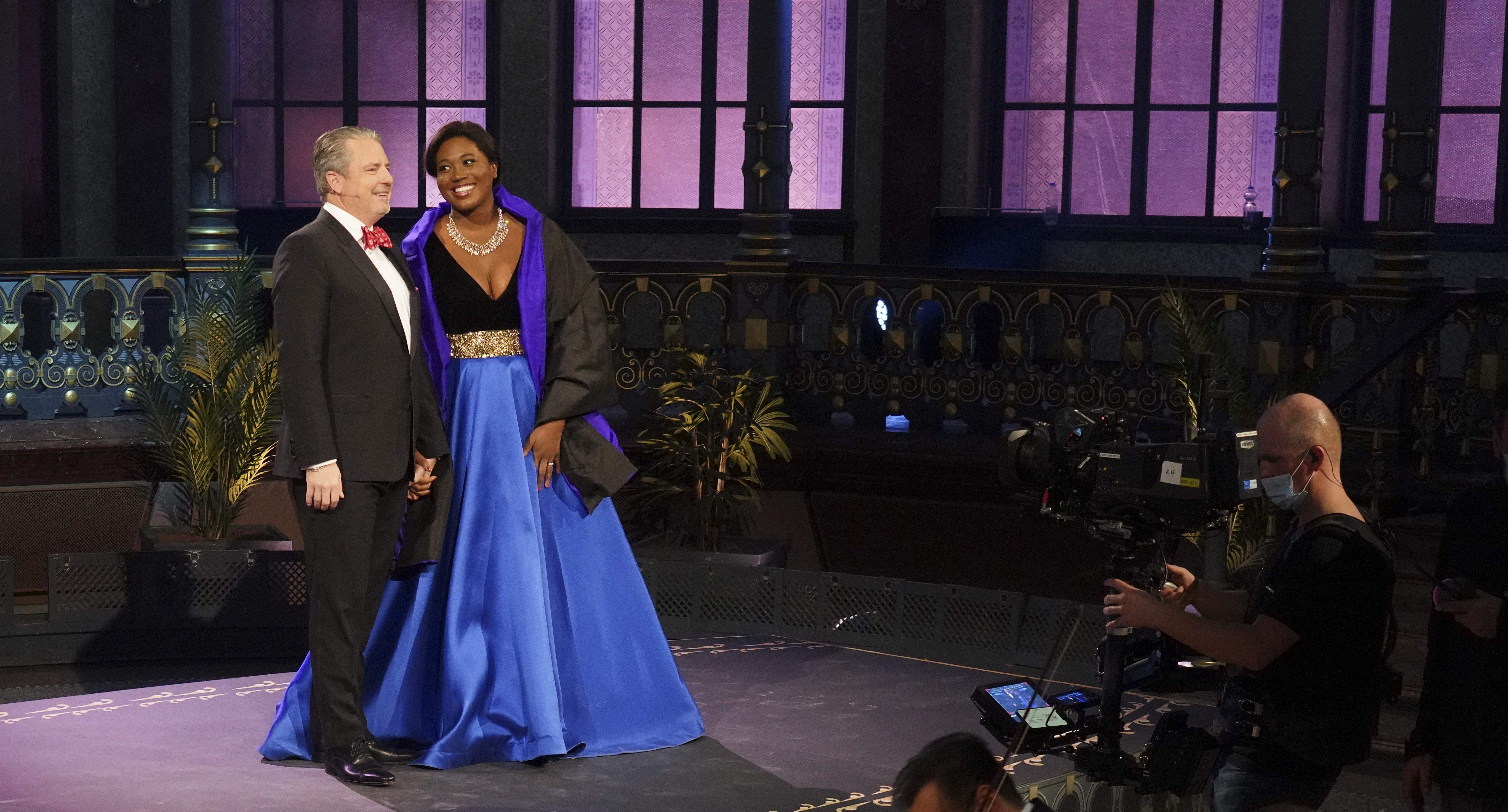
At 4 p.m. tomorrow, New Year’s Eve, the Metropolitan Opera is continuing its annual New Year’s Eve gala concert — but this year it’s virtual. The Met rings in 2021 with opera stars Javier Camarena, Angel Blue (who just sang so brilliantly with the CSO this fall), Pretty Yende, and Matthew Polenzani, in a livestream a pay-per-view performance. It is being broadcast from the historic Baroque-style Parktheater, ca. 1886, in Augsburg, Germany.

The New Year’s Eve Gala program will include arias, duets, and ensembles from Donizetti to Puccini, as well as arrangements of operetta and Neapolitan songs.

The concert, part of the Met Stars Live in Concert series, will be streamed live on the Met’s website at 4 pm EST/10 pm CET, and then be available on demand for 14 days. It costs $20.

The gala will be shot with multiple cameras, and linked by satellite to a control room in New York City, where host Christine Goerke will be situated. Gary Halvorson, the Met’s award-winning director of the company’s Live in HD cinema transmissions, will direct.

Tickets can be purchased on the Met’s website at metopera.org. Gala Committee tickets, with enhanced benefits, are also available at a range of donation levels. The gala supports the company.

The performances will be available for on-demand viewing for 14 days following the live event. The programs can be viewed on a computer, mobile device, or home entertainment system (via Chromecast or AirPlay).

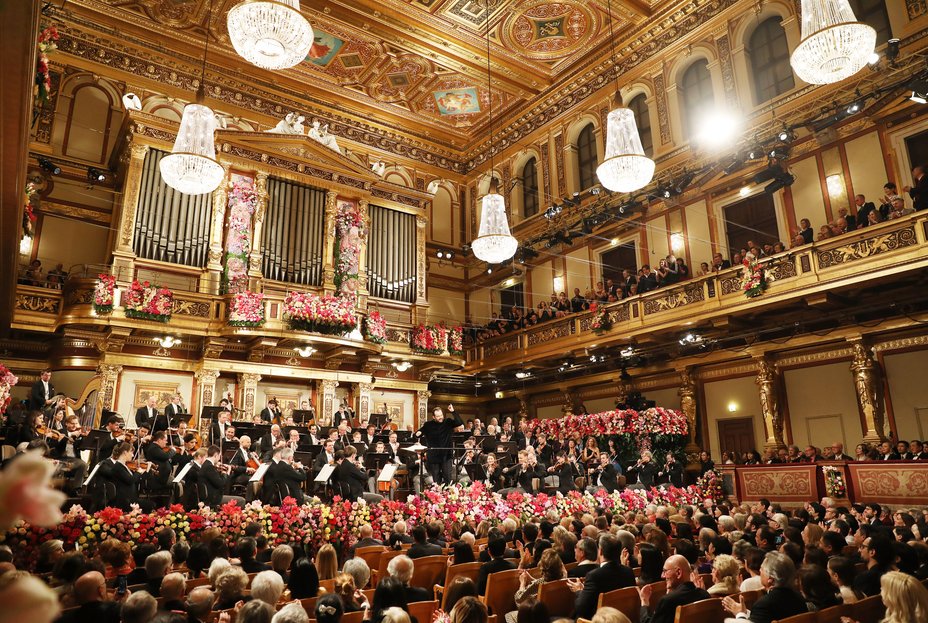
The Vienna Philharmonic performs its annual New Year’s Concert in the Golden Hall of the Musikverein

On New Year’s Day, it’s the annual Vienna Philharmonic New Year’s Concert with Riccardo Muti, in the Golden Hall of the Musikverein, which airs over PBS locally on CET Channel 48 and nationwide. The 2021 New Year’s Concert will be broadcast in over 90 countries and followed by millions of television viewers around the world. Due to Covid-19, the 2021 New Year’s Concert will take place without an audience.

Of course, you can expect lots of Strauss waltzes, galops, polkas and marches. Here are the local times for From Vienna: The New Year’s Celebration 2021 on CET (Channel 48). It continues on CETARTs Jan. 4-6 at various times.

Friday, January 1, 9:00 pm on CET HD

Saturday, January 2, 1:00 am on CET HD

Monday, January 4, 3:00 am on CET HD

Cancellations, digital programs, relief funds: How Cincinnati’s arts organizations are coping with COVID-19

A previous production of The Magic Flute/ provided by Cincinnati Opera

Cincinnati Opera’s news yesterday that it must cancel its 2020 Summer Festival — the company’s 100th anniversary — was just the latest in an ongoing wave of arts cancellations due to COVID-19. Because of extended stay-at-home orders and closures, it was literally impossible to begin set-building and rehearsing, let alone fly in the international stars who were coming from Italy and the Czech Republic.

I doubt that entire seasons have ever been canceled for such a plague, although world wars have interrupted some. Of the many arts organizations that I have interviewed this month, a few leaders have predicted to me, that, until people feel comfortable being with other people in a theater, museum or a concert hall (and you can add to that, restaurants and stadiums), they will not return. And that won’t happen until there is a vaccine.

As Ensemble Theatre’s D. Lynn Meyers tells me in Friday’s Business Courier, we all thought things would be closed for a weekend, and then it would be back to normal. Now we talk about the “new normal.”

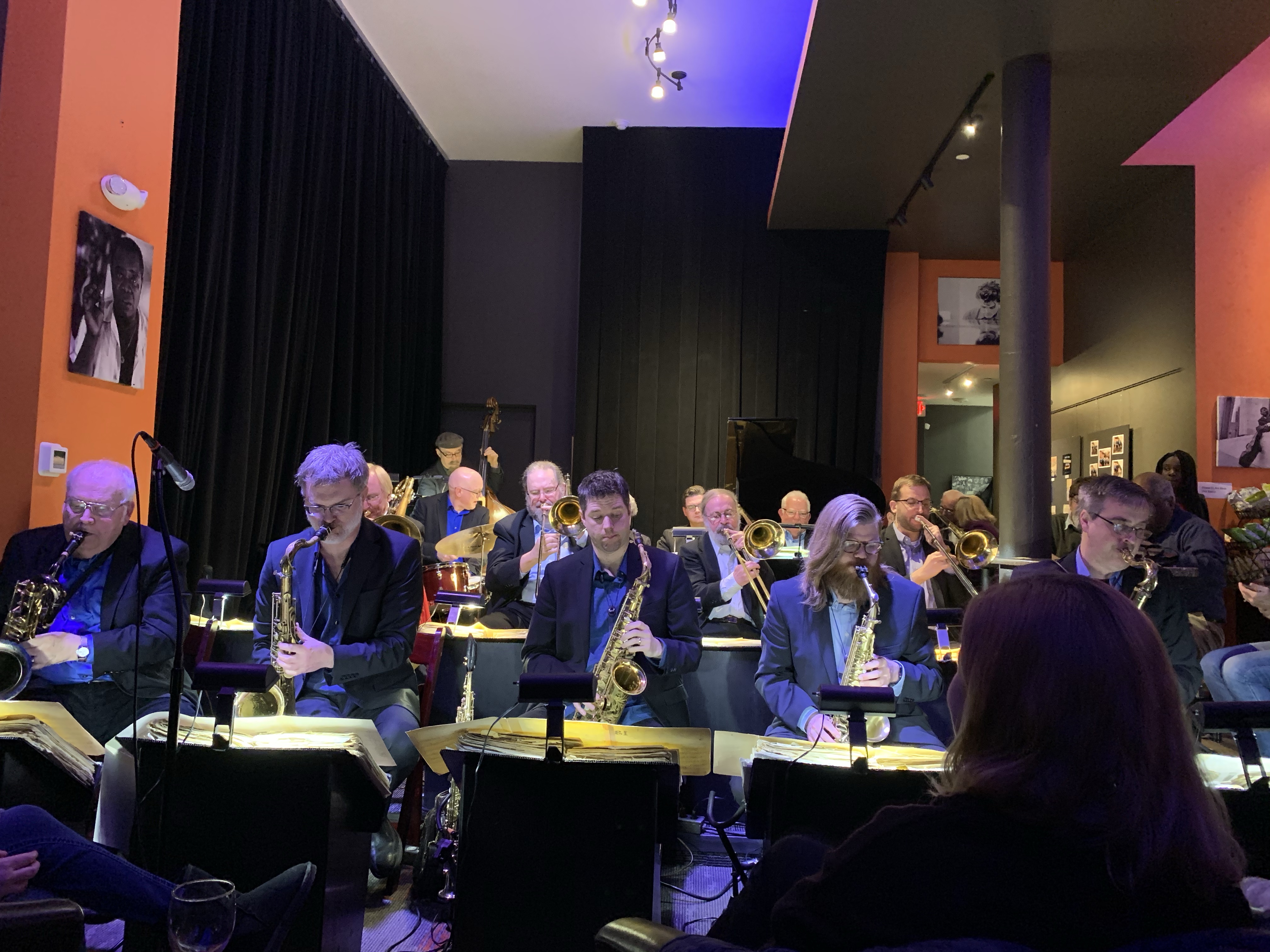
The Blue Wisp Big Band at Caffe Vivace last month.

I began observing how the coronavirus was impacting our city’s freelance musicians about a month ago, when restaurants closed, and musicians began streaming their music live from empty bars, for tips. That article, “Virtual Reality,” on April 3, included some jazz musicians, as well. Trumpeter Matt Anklan, an adjunct at Miami University, said that 60 percent of his income is from freelance jobs — now completely gone.

A spot check of Cincinnati’s major arts organizations, “Critical Stage” on April 10, told stories of how groups are struggling to hang onto their staffs even as they tally their losses. Losses will be big. ArtsWave — which was just midway through its annual, $12.4 million campaign when the virus hit — predicts that losses in Cincinnati’s arts community could top $30 million if there is no arts activity all summer.

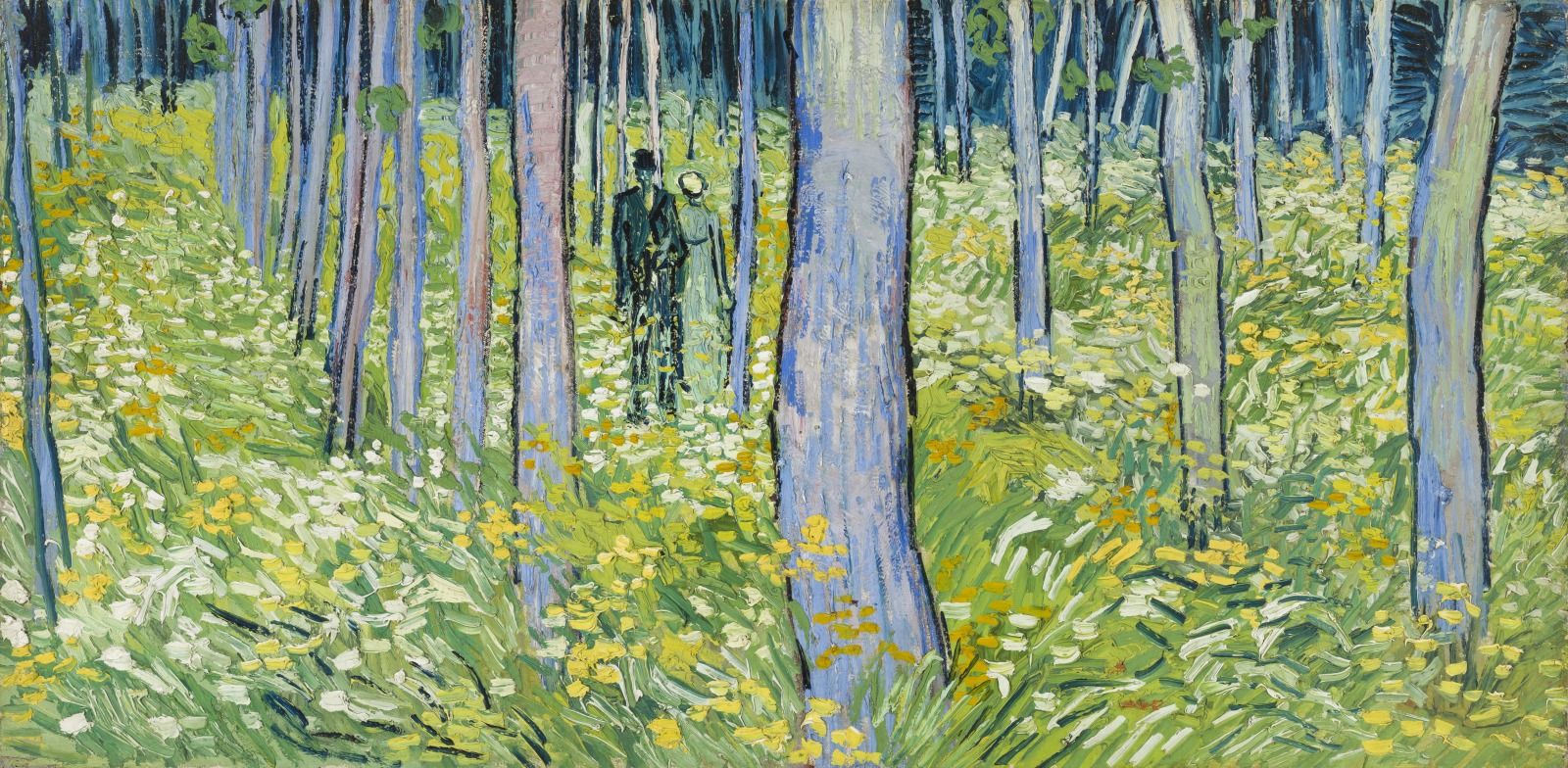
Van Gogh’s Undergrowth with Two Figures at Cincinnati Art Museum

Still, there was a note of optimism, despite the expected red ink. Cincinnati Art Museum’s Cameron Kitchin told me, “The arts are about connecting and inspiring. What greater time of need do we have for inspiration and connection than right now, in this time of social distancing and flickering hope? If we look at what the arts to able to provide for humanity, this is a moment where we are called to action.”

Friday’s article (April 17) is about how small and mid-sized arts groups in our region are coping. There will be more stories to come, including some with good news of how people are stepping up in a time of crisis.

As I wrote in a column at the very beginning of the trickle of online arts offerings — now a tsunami — the arts offer escape, joy and comfort. Don’t forget, these organizations can’t wait to welcome you back, live and in person, when we all reach the other side.

Met Opera overwhelmed: Streaming suggestions for tonight

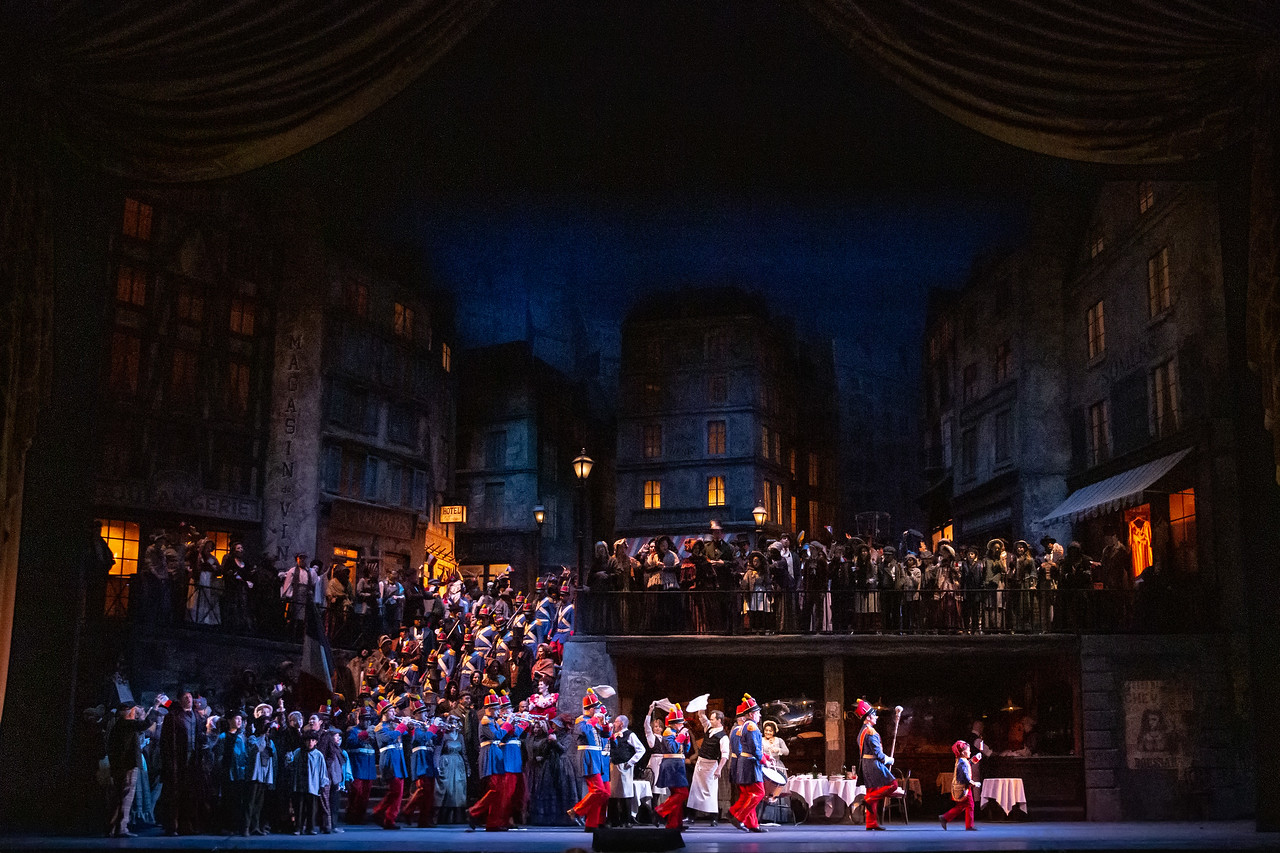
Tonight’s free On Demand from the Met is a 2008 production of La Bohème. The scene shown is Act II from the production of this season. Photo Evan Zimmerman / Met Opera

Not surprisingly, an unprecedented surge of opera lovers across America tried to tune in to the Metropolitan Opera’s Free On Demand streaming of “Carmen” last night — only to experience difficulty. This morning, I contacted the Met to see what we need to do. The website is working now — but the best way to access On Demand is to download the app to your device.

Here is their statement:

Due to overwhelming, unprecedented demand and traffic for the Met’s first free opera stream last evening, our web site experienced intermittent outages, with users having to wait to access the site or receiving a message that the service was unavailable.

The Met’s IT and On Demand team have been working through the night and this morning to come up with fixes and solutions to make this a smoother user experience.

We urge users, if they can,  to go directly to the Met Opera on Demand apps for Apple, Amazon, and Roku devices and Samsung Smart TV. From there, the user should click on the “Explore the App” option which will take them directly to opera stream page.

We apologize for any inconvenience.

COVID-19 update: Classical cocooning

Hear a broadcast of the CSO’s 125th anniversary concert tonight on WGUC

Around the globe, live concerts by performing arts groups are shut down for the foreseeable future. As you can see in this article that I contributed to on Classical Voice North America, “Sound of Silence Banishes Music Across the Land,” the arts are being hit hard around our country.

I might add, that if you have concert tickets, you  might consider donating them back to the organization. The impact of Covid-19 may be catastrophic to many of those who make their living in the arts.

Many organizations are offering live streams of concert performances and operas. I’m starting a list below.

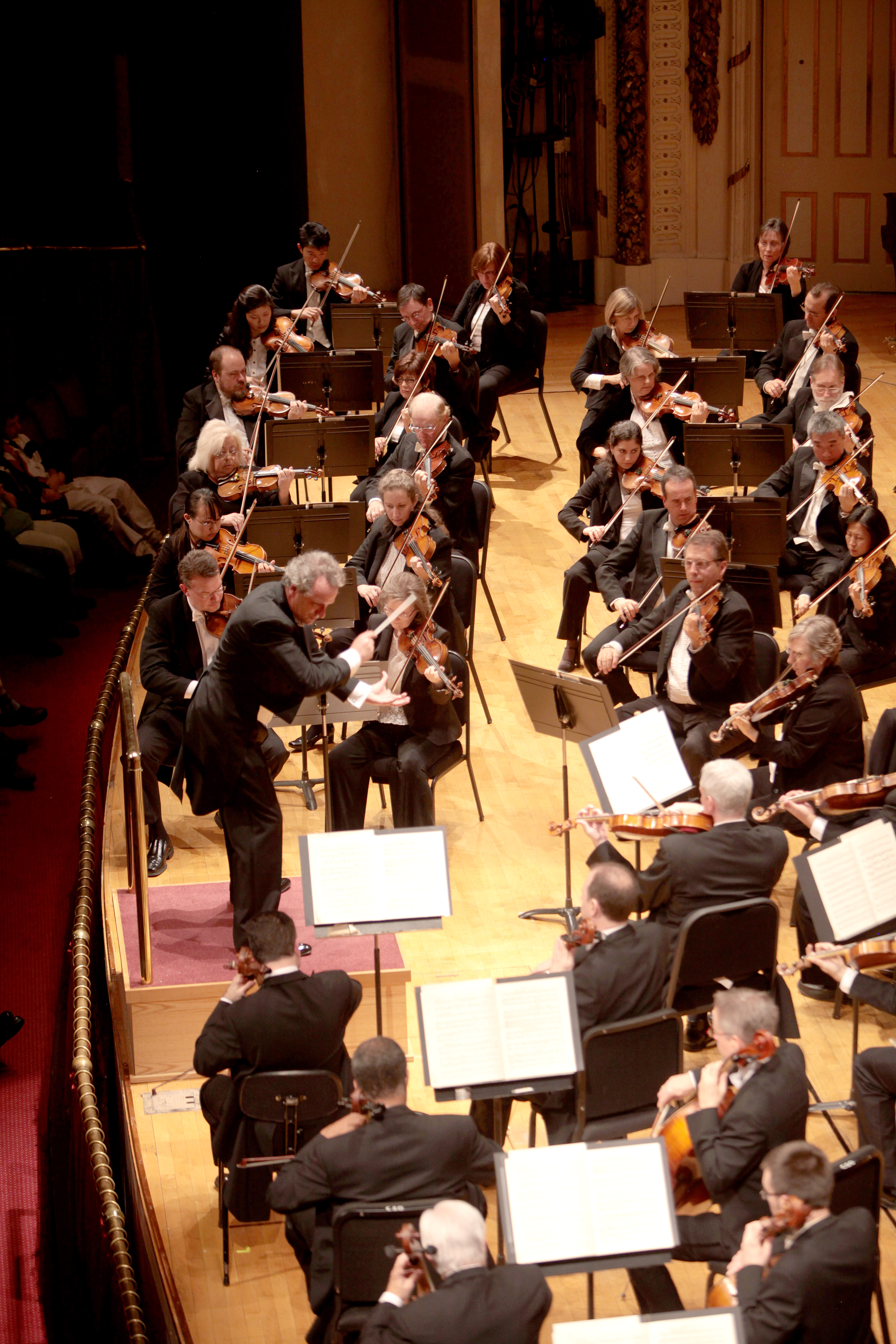
Tonight, tune in to your radio (or online at wguc.org) at 8 p.m. to WGUC 90.9 FM to hear a broadcast of the Cincinnati Symphony Orchestra‘s 125th anniversary concert. Here is my review for that performance of Jan. 18-19.

Here are a few ways to bring the concert hall into your living room:Read More »

Der Freischütz hits the mark in rare American performance by Queen City Opera

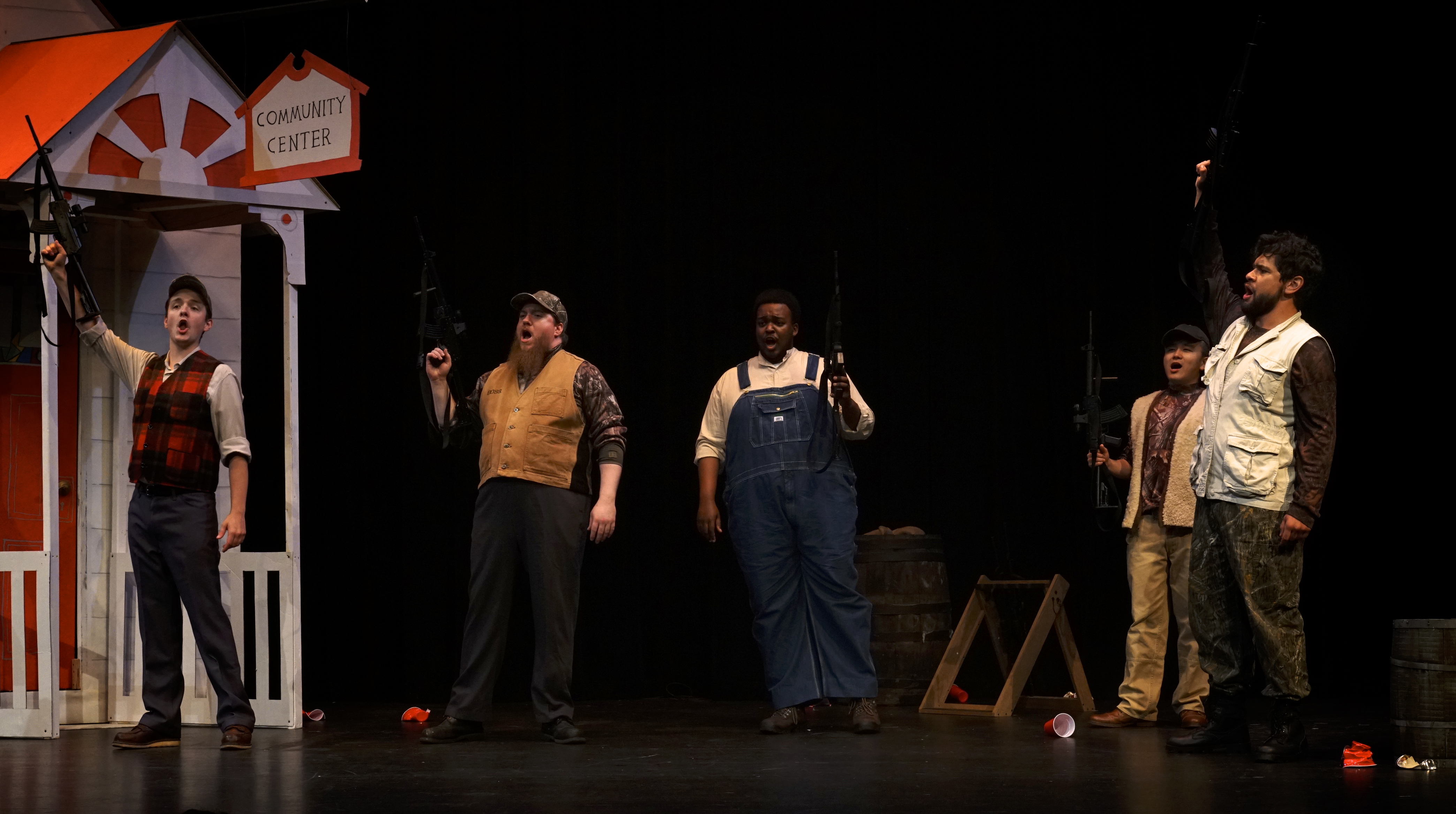
The hunters carried assault rifles in Queen City Opera’s “Der Freischütz.” Photo by Tina Gutierrez

It’s amazing that Carl Maria von Weber’s 1821 opera, “Der Freischütz,” is rarely performed in the United States. The early German romantic opera – which Queen City Opera loosely translated as “The Magic Bullets,” has a rich orchestral score, wonderful choruses and arias and a supernatural story. It’s easy to see how it paved the way to the German opera that was to come, especially that of Richard Wagner.

Isaac Selya, founder and artistic director of Queen City Opera and conductor for the production, told me in an interview for the Cincinnati Business Courier that the opera has only been performed once before in Ohio, by Cincinnati Opera in 1933. According to Operavore, the Met last performed this early romantic gem in 1972.

On Sunday, I joined many other opera lovers who were curious to see and hear Weber’s under-appreciated work, which was staged by Rebecca Herman. Read More »

CCM grad a winner in Metropolitan Opera National Council Auditions

Faselt, Jessica (updated)
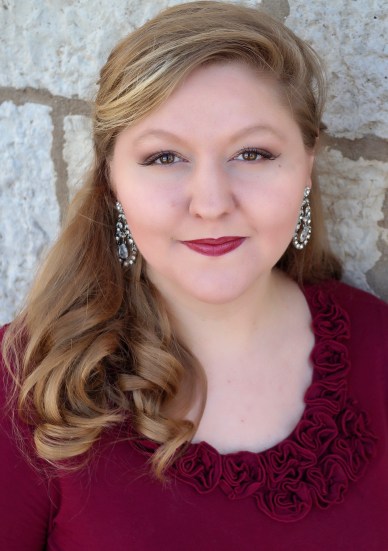
Jessica Faselt, soprano. Photo provided by the Metropolitan Opera

CCM alumna Jessica Faselt, 25, of Iowa City was among five singers named as the winners of the nation’s most prestigious vocal competition, the Metropolitan Opera National Council Auditions. Faselt earned a Master of Music degree in Voice in 2016, and was a winner of the Corbett Award at CCM.

The other winners are: Madison Leonard, 26, soprano (Coeur d’Alene, ID); Ashley Dixon, 26, mezzo-soprano (Peachtree, GA); Hongni Wu, 23, mezzo-soprano (Jingdezhen, China); and Carlos Enrique Santelli, 26, tenor (Orlando, FL).

Each winner receives a $15,000 cash prize and the exposure that has launched the careers of many of opera’s biggest stars.

And in another local tie, CCM Artist Diploma in Opera Performance student Brandon Russell was a semi-finalist in this year’s Met National Council Auditions. He competed in the semi-final round held on the stage of the Metropolitan Opera on April 22, and was awarded $1,500.Read More »

CCM singers compete for cash, scholarships

CCM student Brianna Bragg participating in a master class with opera star Jamie Barton earlier this year. Photo: Andrew Higley

On Saturday at UC’s College-Conservatory of Music, singers will be vying for five prestigious full-tuition scholarships and $62,500 in cash awards. The Opera Scholarship Competition will be held on Saturday, March 17, from 10 a.m. to 6 p.m. in CCM’s Corbett Auditorium.

It’s a high-stakes, daylong event featuring 27 current and incoming singers who are students in CCM’s storied opera department. They’ll be performing arias, songs and scenes before influential judges who have been flown in for the event.Read More »

Levine’s fall from grace is complete

Levine cr Naomi Vaughan
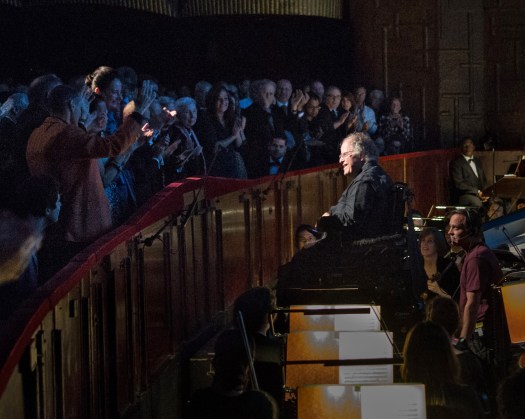
James Levine, being applauded at the Metropolitan Opera, was fired by the company, citing “credible evidence” for sexual abuse. Photo by Naomi Vaughan

By now you’ve read, or you’ve heard about, Metropolitan Opera conductor James Levine’s fall from grace. Yesterday, the Metropolitan Opera fired the maestro, a Cincinnati native, citing “credible evidence” for sexual abuse allegations that go back decades.

Levine was one of the most powerful people in the opera world. He was revered as a conductor who rivaled legends such as Herbert von Karajan and Leonard Bernstein. In Cincinnati, Levine’s talent is a part of local lore. He made his Cincinnati Symphony Orchestra debut as piano soloist at age 10 under Thor Johnson. As a pre-teen, he would sit for hours at Cincinnati Opera rehearsals at the zoo, inhaling opera scores and imitating Italian conductor Fausto Cleva.

He was music director of the Cincinnati May Festival in 1974, before he turned 30, and served for five seasons. (The May Festival has canceled his planned appearance this season.)

In Cincinnati, he conducted his first performances of Wagner operas Lohengrin, Tannhauser and Parsifal, in concert version for the May Festival. Levine hand-picked his successor, James Conlon.

He was a personal champion of opera soprano Kathleen Battle, a graduate of the University of Cincinnati College-Conservatory of Music.

And his mentor from an early age into adulthood was Walter Levin, the late first violinist of the LaSalle Quartet, the distinguished former quartet-in-residence at CCM.

One of Levine’s honorary doctorates was from the University of Cincinnati.

I’m reposting the Met’s entire statement here:Read More »