Concert Review: Love letter to the Viola

Photos by Gayna Bassin

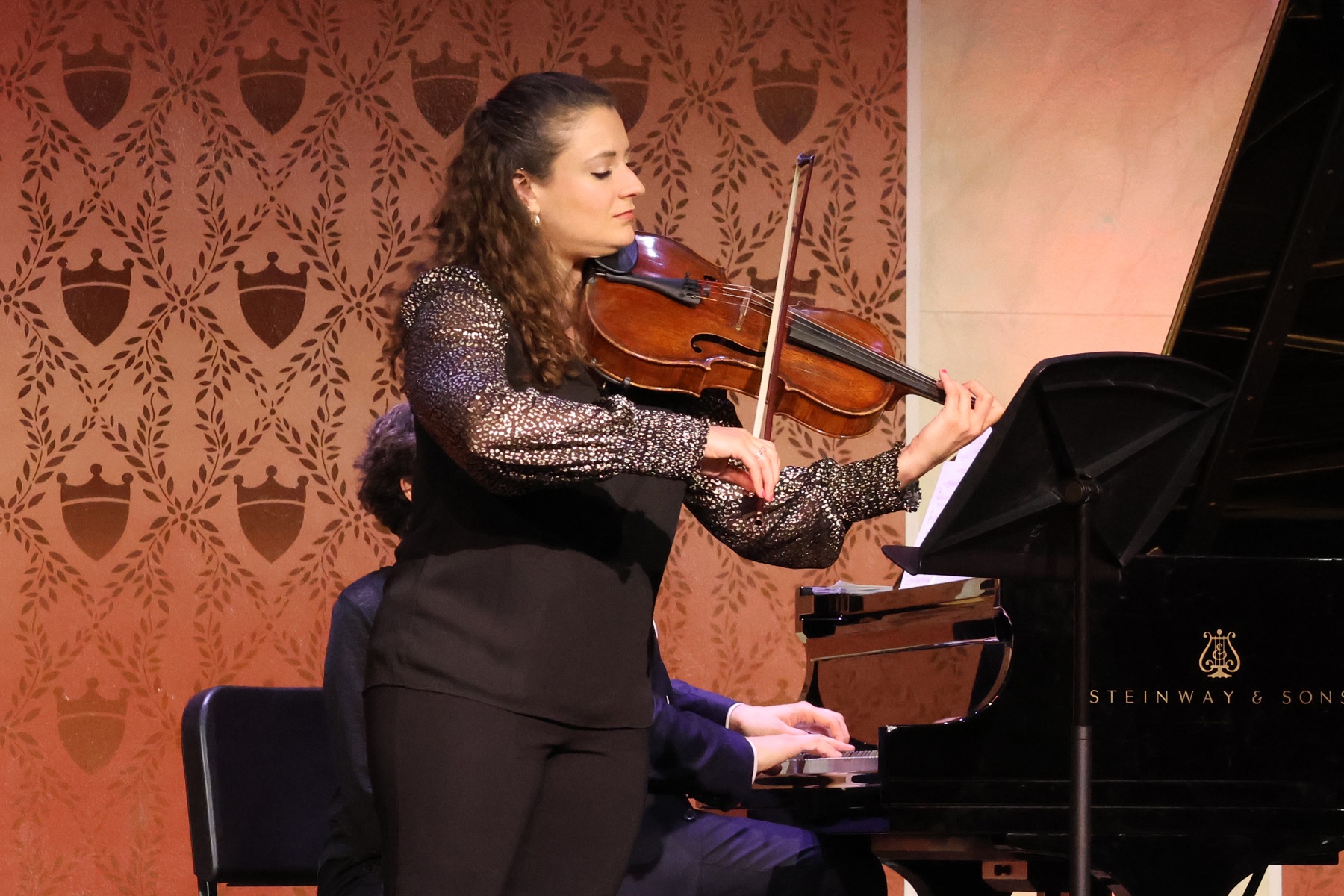
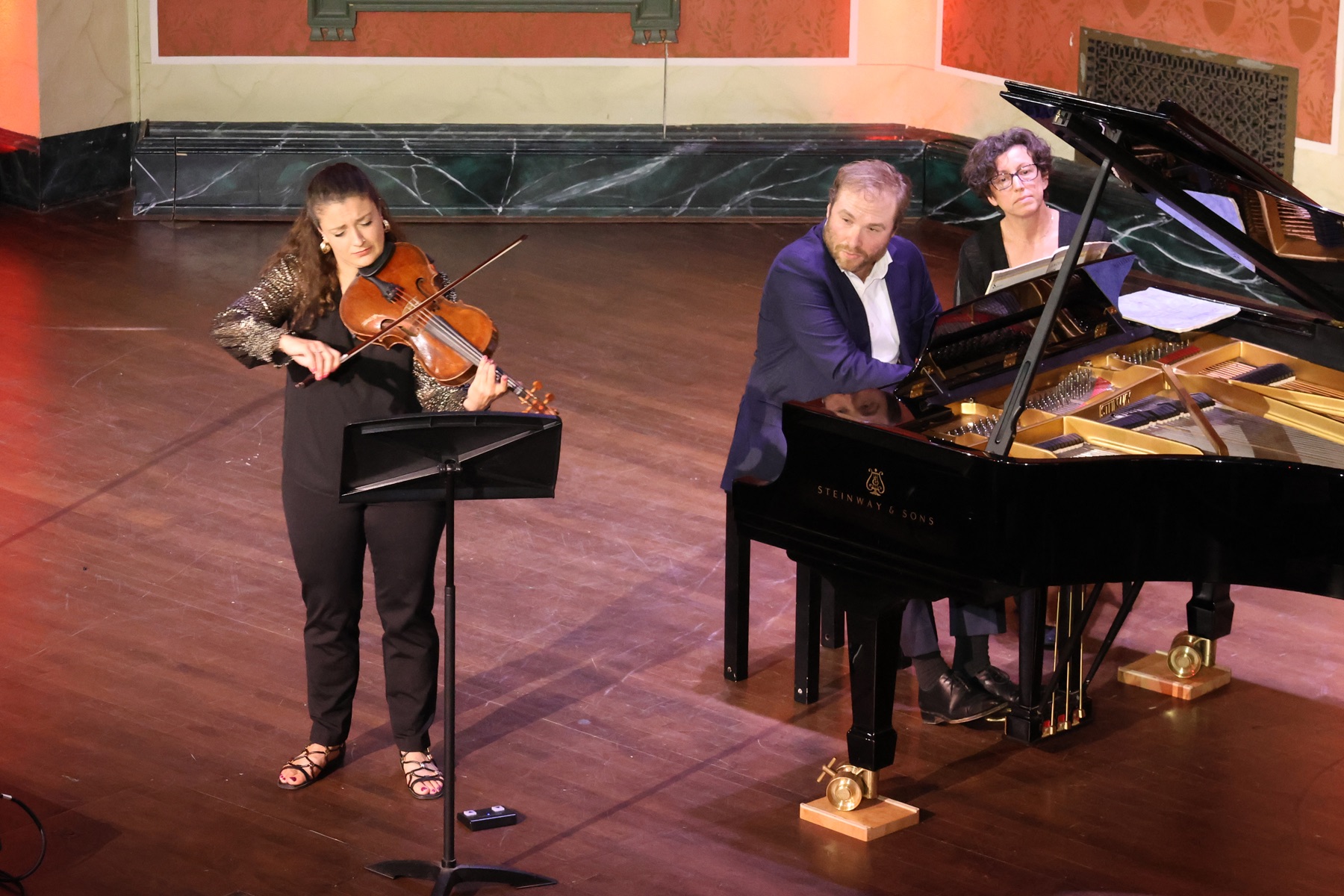
It’s unusual to hear an entire program of music written for the viola. The recital on Sept. 15 in Memorial Hall by violist Milena Pajaro-van de Stadt and pianist Adam Golka was a rare treat.

They opened the Matinee Musicale concert season with an inventive program that included music by two women composers, born 100 years apart. Pajaro-van de Stadt called it “a love letter to the viola.”

Brahms’ Sonata Op. 120, No. 2 in E-flat Major was the perfect introduction to this duo. (The work was originally written for clarinet and piano.) I was instantly struck by the rich, compelling tone of Pajaro-van de Stadt’s instrument. The warmth was palpable in her phrasing, and she took her time to allow the music to breathe in this wonderful, autumnal work.Read More »

Opera in the Park is rained out

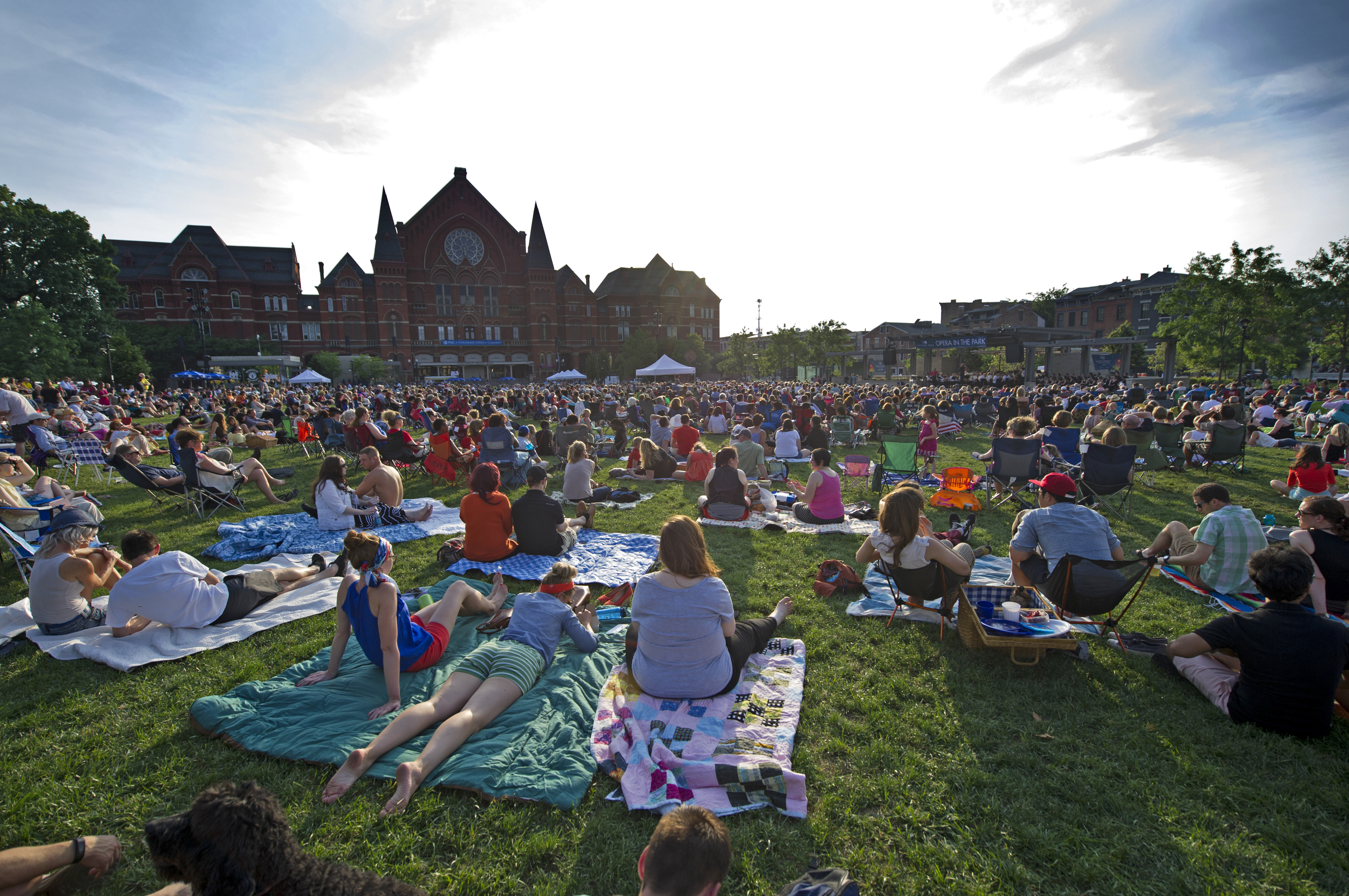
In recent years, Cincinnati Opera has kicked off its season with a free concert in Washington Park, OTR

Passing on this notice regarding tonight’s outdoor opera concert in Washington Park:

Due to the ongoing threat of inclement weather, and out of concern for the safety of our audience, artists, crew members, and staff, the outdoor Opera in the Park concert scheduled for Sunday, June 11, at 7:30 p.m. has been canceled.

The CSO Brass Institute performance will go on as scheduled at 6:00 p.m. but will take place indoors at First Lutheran Church located adjacent to Washington Park at 1208 Race Street.

Early Music Celebration a ‘show-and-tell’ of unique instruments

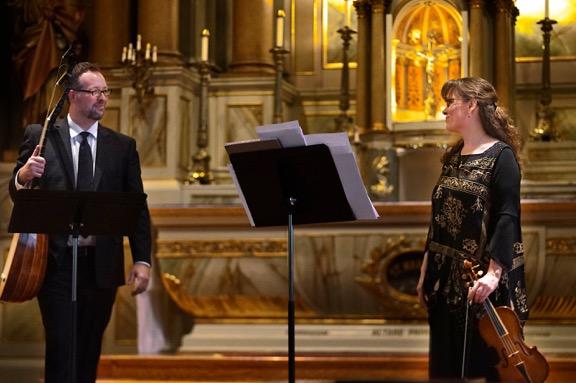
Lutenist Christopher Wilke, left, and Jennifer Roig- Francoli on Baroque violin in a 2017 Caladrian Ensemble concert at Old St. Mary’s Church. Photo by Tina Gutierrez

You may not know it, but Cincinnati has a thriving early music scene. With the Cincinnati Early Music Celebration in full swing, there’s no better time to sample it than this month.

Early music can be described as music written before 1750 from the Middle Ages, Renaissance and Baroque periods. Practitioners try to perform it as authentically as possible on period instruments, such as lute, viola da gamba, recorder and harpsichord.

“We are spotlighting groups that do this,” said Christopher Wilke, organizer of this year’s Cincinnati Early Music Celebration. “We are not served by the mainstream classical community. It just falls between the cracks of what we know in America as classical music.”Read More »

Year in review: Classical music made news in 2017

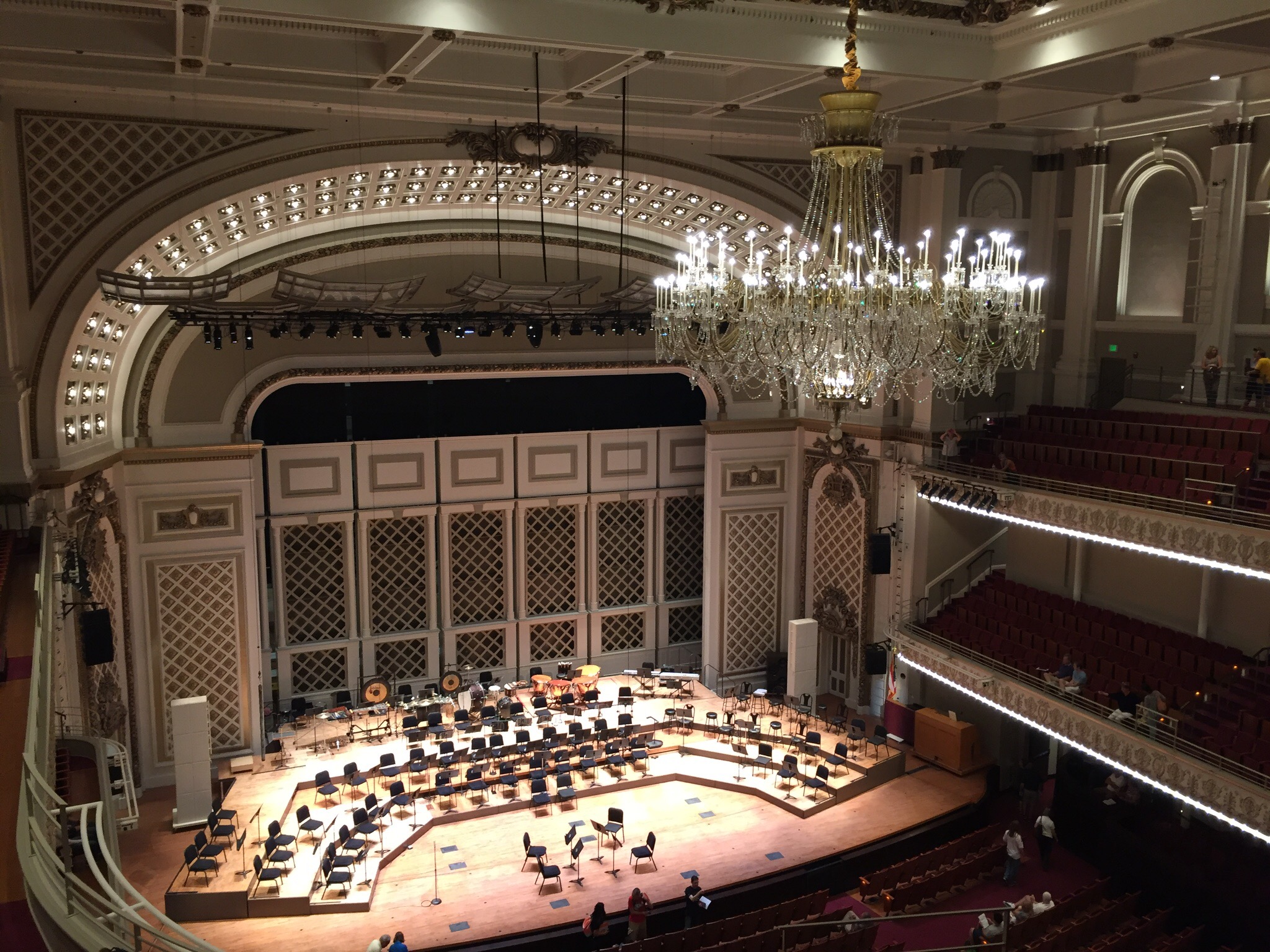
The orchestra is now seated on risers, shown here on the “thrust” stage.

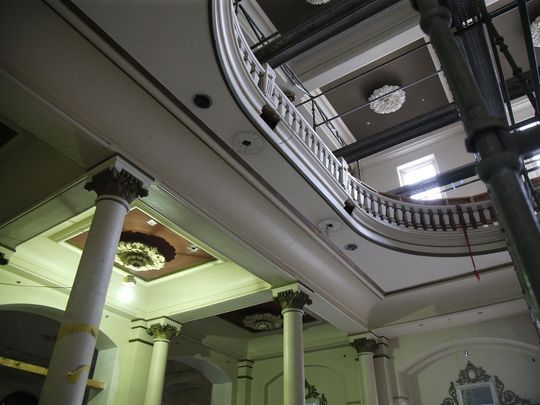
The year 2017 was a year of big change for Cincinnati’s arts organizations. The most significant story – one that garnered a large piece in the New York Times — was about Music Hall, home to the city’s major performing arts groups, which finished up a massive, ambitious renovation costing at least $143 million.

Music Hall reopened with fanfare on Oct. 6 and 7. The weekend included a community open house that drew thousands. Opening night revelers basked in the elegant new decor and patron-friendly amenities, which include cup holders for the first time on wider seats, more bars and more restrooms.

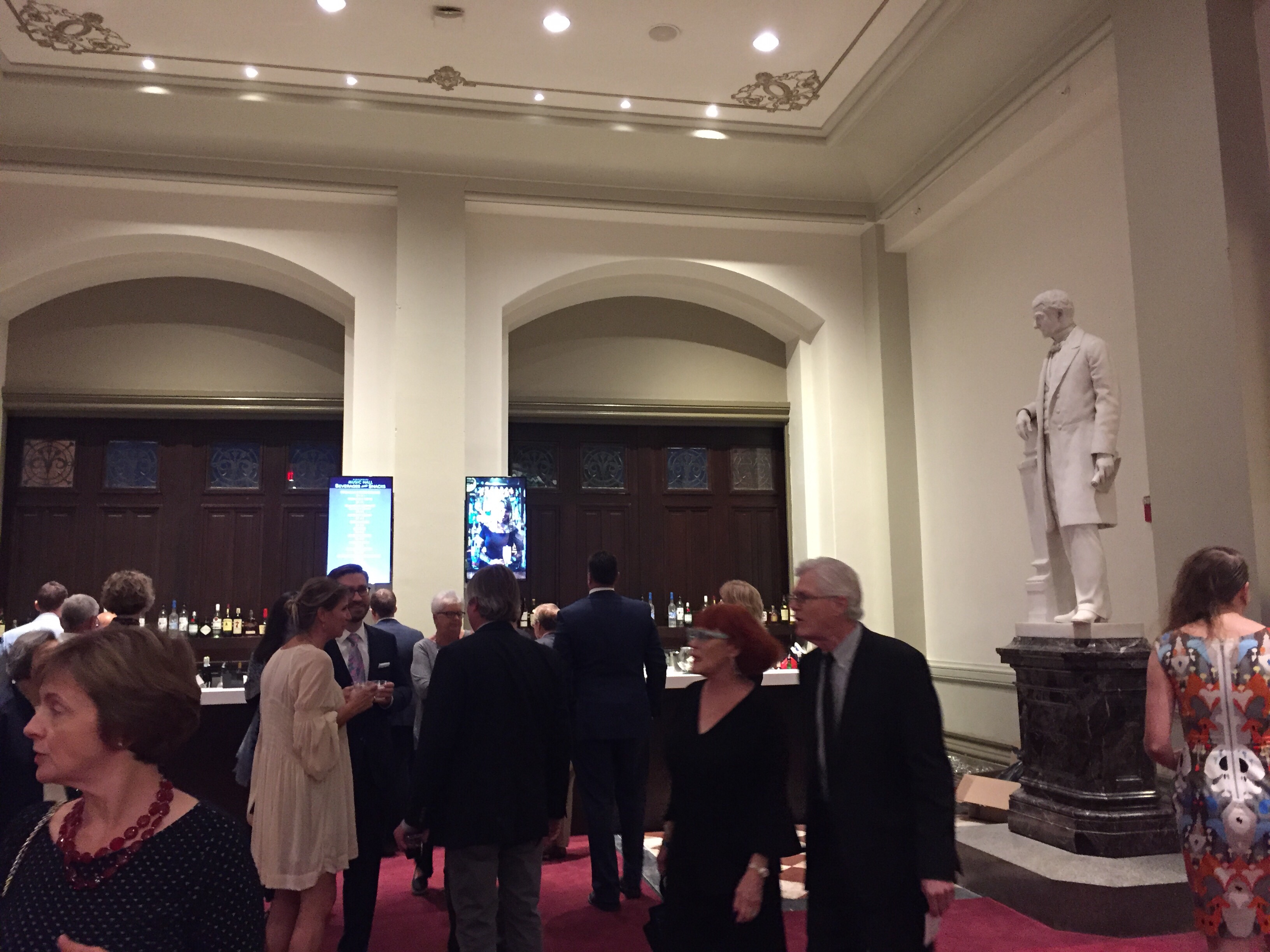
Reuben Springer now presides over a new bar at Music Hall.

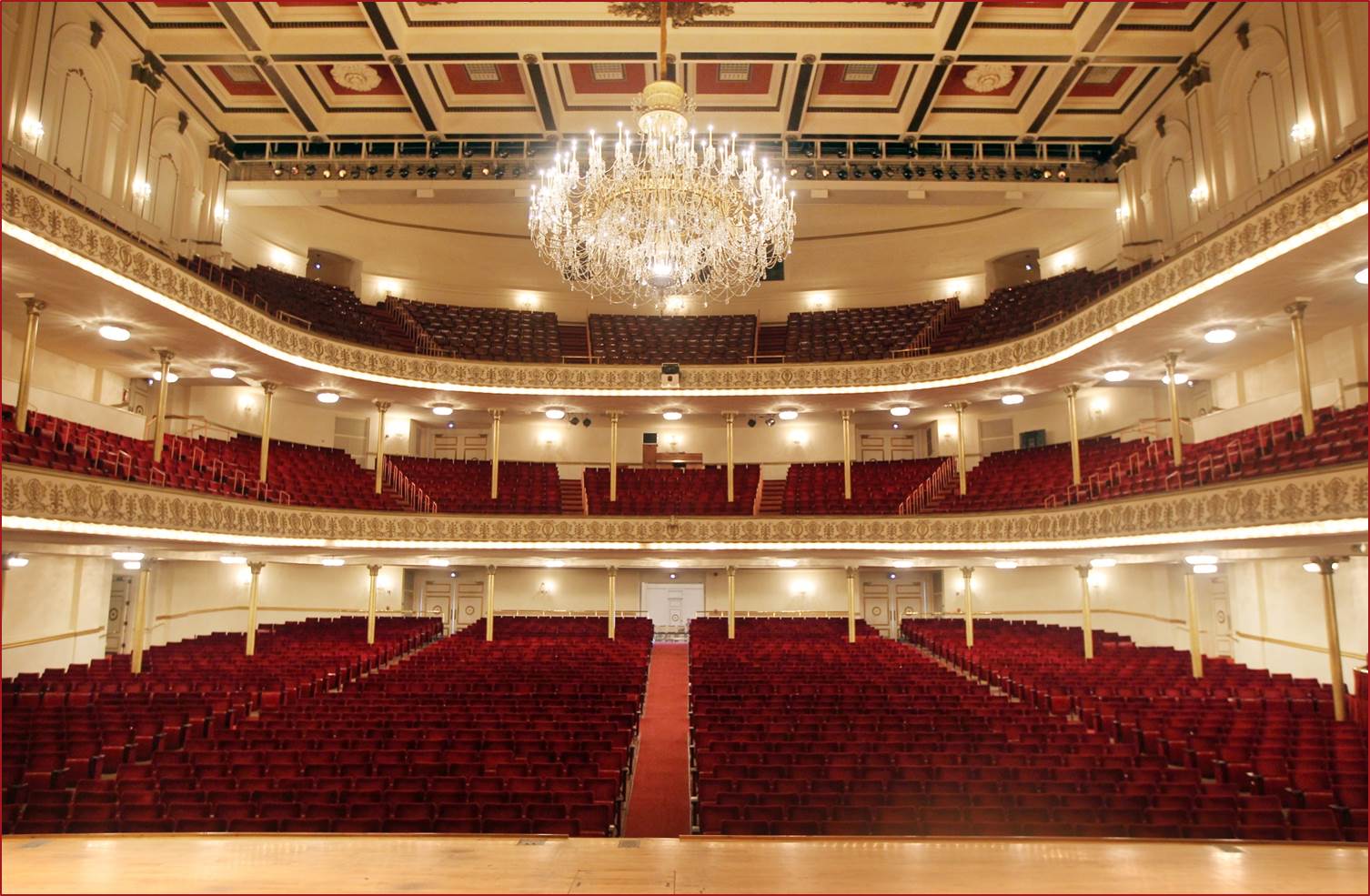
There are now more than 1,000 fewer seats and Springer Auditorium is physically smaller. The musicians sit on risers on a new “thrust” stage, 12 feet closer to the audience than before. All of that – including new materials such as concrete floors – means that the acousticians are still in the “tuning” phase of what is really a new hall-within-a-hall.

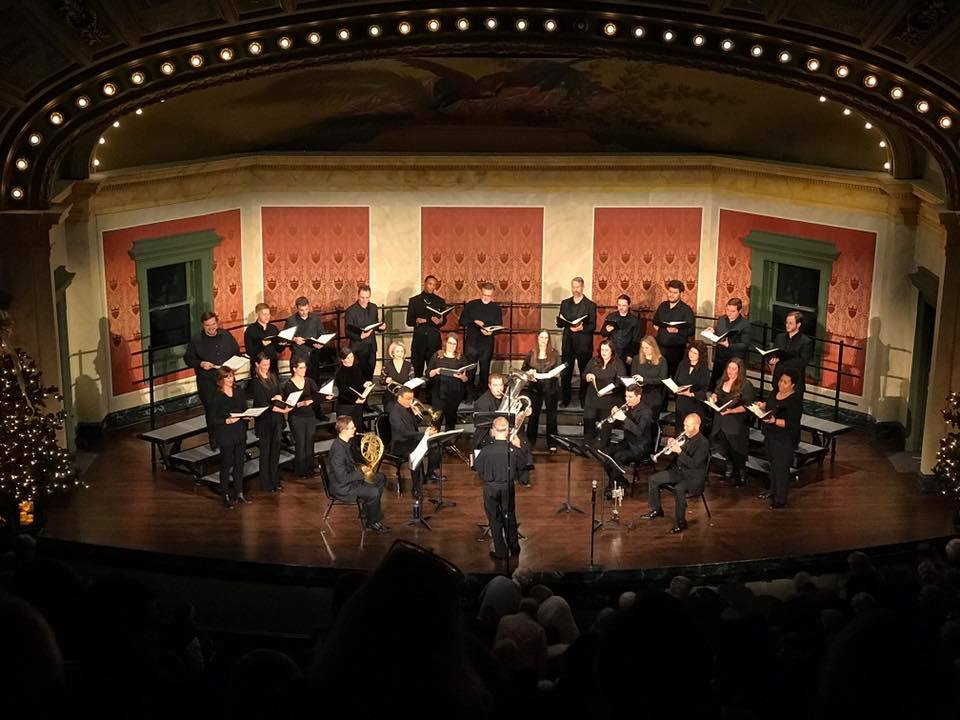
Memorial Hall’s renovation beautifully preserved the historic theater (built by Hannaford & Sons) and also enhanced the acoustics. Shown here with the Vocal Arts Ensemble. Photo by Michael T. Moore, Jr.

The renovation was just one sign of the importance of Cincinnati’s growing arts district surrounding Washington Park. Read More »

A new color scheme for Music Hall

Take a walk through Music Hall’s renovation by clicking here.

What do you think of Music Hall’s new color scheme?

Springer Auditorium’s new color scheme features dark taupe and cream throughout. Red seats will be installed this summer. The crystal chandelier is being restored to return to the hall.
A view of rosettes in the lobby areas shows the previous and new background colors, from rose to taupe.
Springer Auditorium’s previous color scheme featured gold trim and light cream with red seats and rose-colored and cream coffered ceilings.

Music Hall then and now

Then:  This week, the May Festival provided me with the the 360 photo that was taken for posterity on the final night of the season, May 28, just before demo began. See if you can find yourself by moving your cursor around the photo: http://360around.com/panos/mayfest-tour/mayfest.html

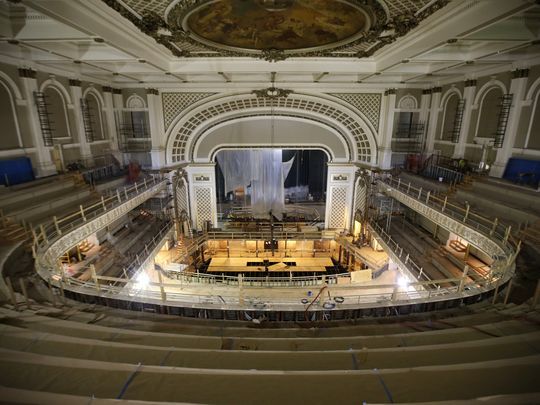
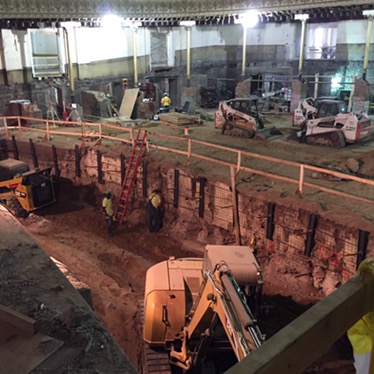
Now:  You may have seen The Enquirer’s update of Music Hall’s construction project last week. I’ve included more of my own photos below.Read More »

Constella impressions: French inspirations

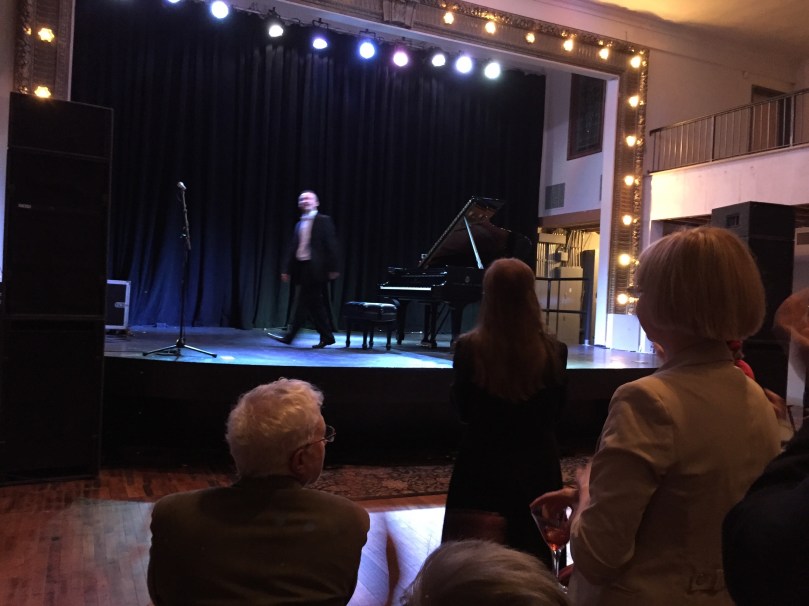
It’s hard to believe that the Constella Festival is winding up its season. I was able to attend French inspirations last week at the newly opened Woodward Theater on Main Street. Here are some thoughts.
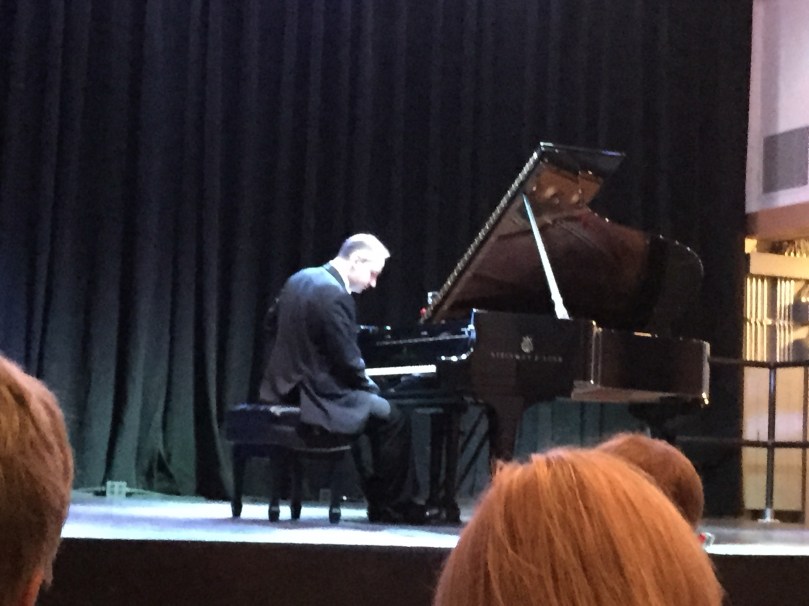
The program: Macedonian pianist Simon Trpceski was the soloist in a piano recital that included Three Intermezzi, Op. 117, by Brahms, Ravel’s Valses Nobles et Sentimentales, Soirées de Vienne, Nos. 5 and 6 by Liszt, based on Schubert, and Liszt’s Hungarian Rhapsody No. 2.

The scene: A beautiful Steinway sat center stage in the hall. Upstairs was a very small art exhibit; downstairs, a few people mingled at the bar. It’s too bad that once the concert started, the beer refrigerator couldn’t be turned off, because the noise interfered with the pianist’s sensitive playing. At least six cameras were trained on the pianist, as this was all being filmed for a future documentary.

Seen in the crowd: Jazz pianist Steve Schmidt, Constella founder Tatiana Berman (who picked up her violin and joined Trpceski in two lovely miniatures — Debussy’s Clair de Lune and the Girl with the Flaxen Hair) and David Donnelly,, director of the new film, “Maestro,” which had its local premiere on Friday.
Musical highlight: For me, it was Ravel. Trpceski, who appeared with the CSO two years ago, balanced the work’s brilliant flashes with intimate moods, and was a master of color, nuance and sonority. The seventh waltz reminded me of “La Valse,” Ravel’s orchestral piece that has a desperate, end-of-an-era mood.

His brilliant and jazzy encore, composed for him by a Macedonian composer, was “Struga,” named for a city in Macedonia.