Janelle Gelfand's writings on classical music, arts and more
Author: janellegelfand
I have covered classical music and the arts in Cincinnati for more than three decades, play piano and tennis and enjoy traveling.
Note: As a guest posting content to this blog, you agree to the following guidelines:
Keep the conversation civil, courteous and constructive. We encourage all viewpoints and ideas but ask that comments be respectful of others' views. No profane, offensive, harassing or inflammatory language please.
Honor the copyrights and trademarks of others by not posting or uploading any material that infringes on the copyright, trademark, patent, or intellectual property rights of others.
Do not post, upload or link to unsolicited or unauthorized advertising or promotional materials.
Do not post, upload or link to content that contains any product, service or political endorsements.
Thank you!
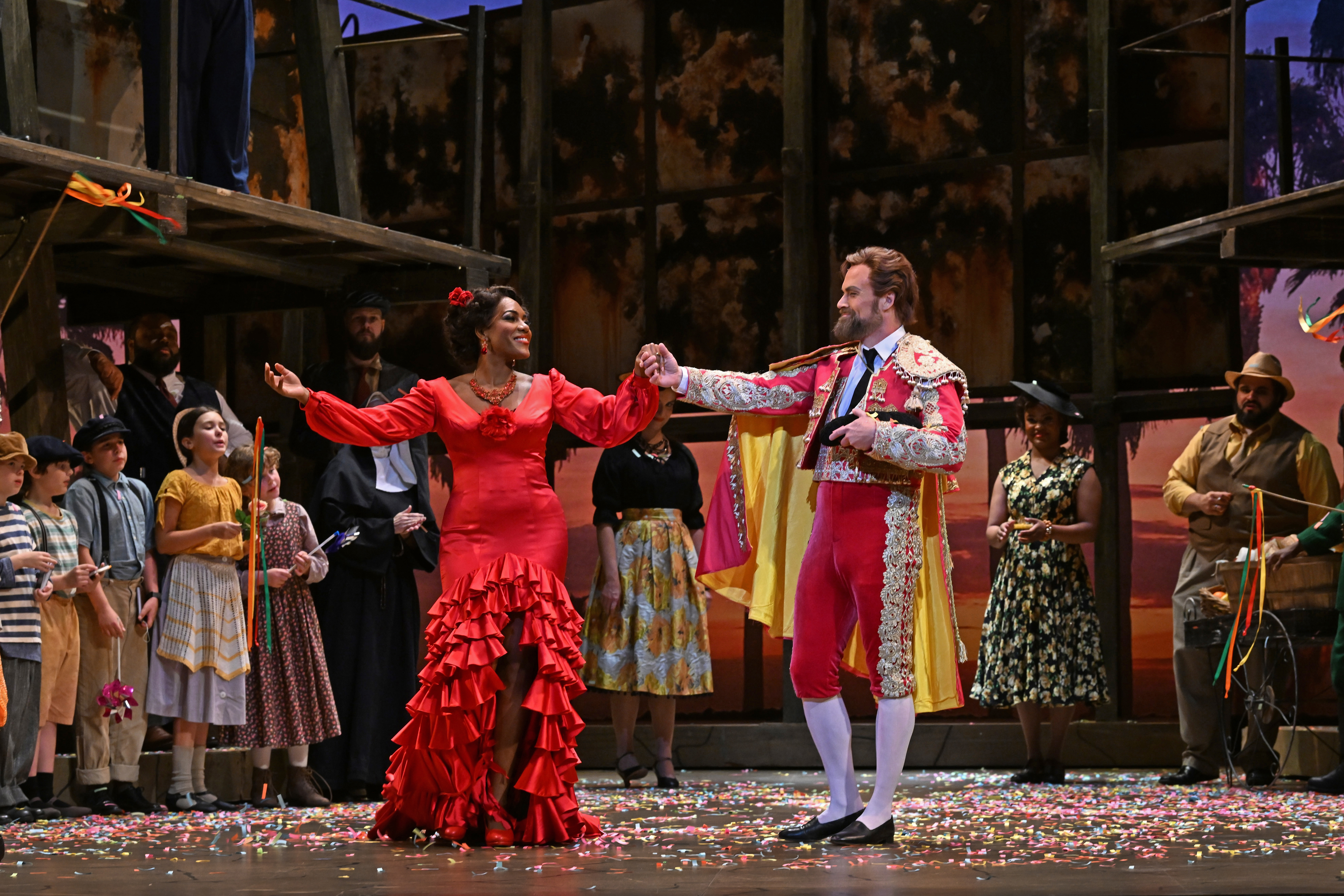
Carmen (J’Nai Bridges) joins Escamillo (Ryan McKinny) in his celebration. Photos by Philip Groshong for Cincinnati Opera
Georges Bizet’s “Carmen” is possibly the most popular opera ever written. Besides its dramatic story, you are left humming its gorgeous, unforgettable tunes days later. Cincinnati Opera has mounted productions of “Carmen” since it’s second season,1921, in Cincinnati Zoo Pavilion.
On July 25 in Music Hall, I saw the 179th performance of “Carmen,” opening night of the final opera of its mainstage season, with a fine cast and an engagingly updated co-production. Although the performance was sometimes uneven, there were many standout moments. For me, the highlight was Bizet’s musical score, given a spirited reading by the Cincinnati Symphony Orchestra in the opera pit under the baton of Spanish conductor Ramón Tebar.
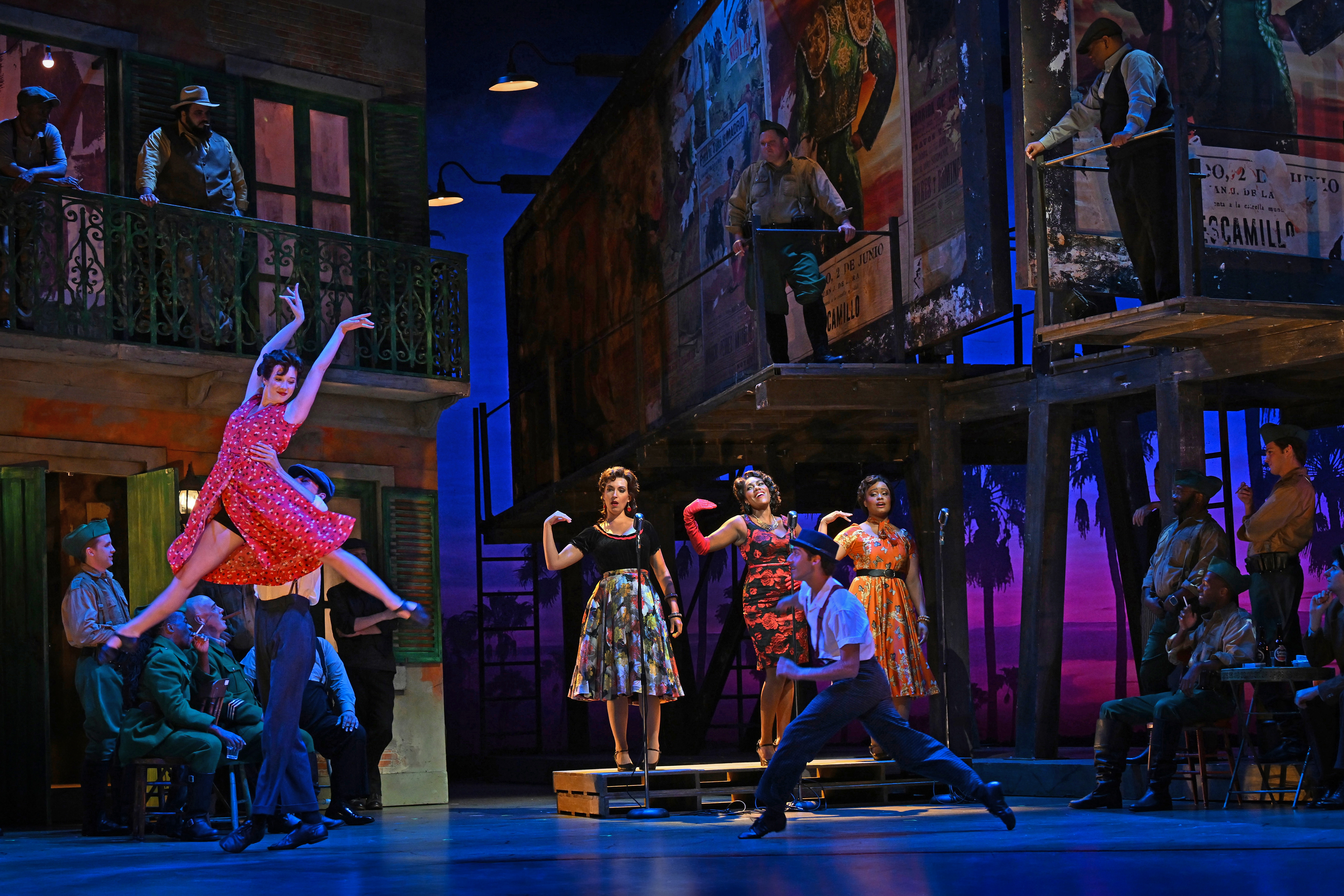
Tebar led the orchestra briskly through the Prelude’s bright opening themes. When the music arrived at the “Fate” theme, the lights dimmed theatrically (Thomas C. Hase). The curtain rose on 1950s Havana, where the cigarette girls had to be unlocked from cage-like doors in order to take their factory break, perhaps a nod to Havana just before Fidel Castro came to power. The set designs by Gary McCann, who also designed the wonderful midcentury costumes, were charmingly evocative of old Havana. The heat was almost palpable in the saturated red lighting that simmered in the background against a painterly blue sky. The smuggler’s mountaintop hideout was a gloomy, abandoned warehouse with looming windows and a large doorway, through which the smugglers loaded their loot.
The title character, Carmen, performed by mezzo-soprano J’Nai Bridges, is a free-spirited femme fatale who seduces Don José and then dumps him for the toreador, Escamillo. In 2021, Bridges provided a glimpse of her gifts in an abridged “Carmen” with Cincinnati Opera. It was performed outdoors at Summit Park in Blue Ash, amplified and with Covid protocols in place.
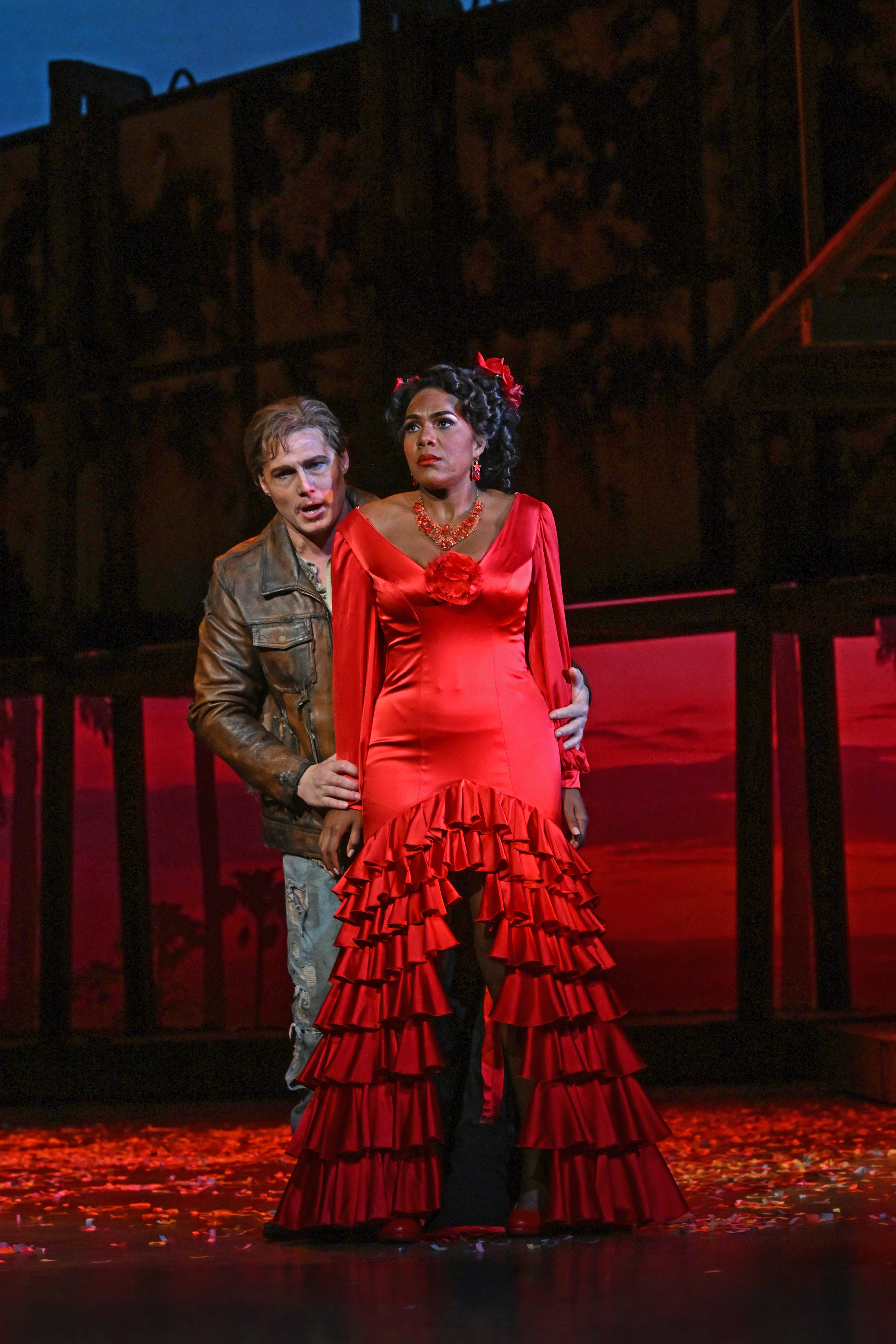
A desperate Don José (Matthew White) confronts Carmen (J’Nai Bridges).
In this production, originally staged by Paul Curran and locally directed by Anderson Nunnelly, Carmen was more defiant than flirty or sensual. Bridges’ rich mezzo-soprano was pleasing in the upper register, although her lower phrases did not project well in the “Habanera.” Her Carmen had an edge – the director brought the factory spat vividly outdoors, as Carmen slapped a woman and yanked her hair. It was clear that men were putty in her hands as she tore off her apron down to a red dress for her sizzling “Seguidilla.”Read More »
Cincinnati Opera will mount Puccini’s “Turandot” for the first time since 2015. Production photos of Palm Beach Opera Turandot, January 24, 2020. Bruce Bennett – Palm Beach Opera
Cincinnati Opera’s 2027 Summer Festival will open with the world premiere “John Lewis: Good Trouble,” chronicling the life of the U.S. Congressman and Civil Rights icon. The season will include a lavish production of Puccini’s “Turandot,” not seen in Music Hall since 2015. And Mozart’s irresistible comedy “The Marriage of Figaro” will round out the mainstage season.
As we have come to enjoy in recent years, there will be several single-night musical events. In celebration of a new, $6 million gift from the Harry T. Wilks Family Foundation,“Viva Verdi!” will feature some of Verdi’s best-loved operatic music in a Music Hall concert in Springer Auditorium (7:30 p.m. June 25, 2027). And the popular Studio Sessions of intimate musical evenings curated by the performing artists will continue in two performances in Wilks Studio, July 1 and July 14, both at 8 p.m. in Wilks Studio at Music Hall. More details on those events will be unveiled later.
Performances will run from June 18 through August 1, 2027.
Artistic director Evans Mirageas announced details of the 2027 on July 25 to the Music Hall audience assembled for opening night of Bizet’s “Carmen.”
Said Mirageas in a statement: “During our 2026 season, it was thrilling to see how enthusiastically audiences responded to The Black Opera Project’s first work, Lalovavi,’ an encouraging sign that this endeavor has arrived at just the right time. We continue that momentum next summer by shining a light on an inspiring American icon with the world premiere of ‘John Lewis: Good Trouble.’ Combined with the epic emotions of ‘Turandot,’ the witty charm of ‘The Marriage of Figaro,’ the celebratory spirit of ‘Viva Verdi!,’ and the artist-curated Studio Sessions, we look forward to creating memorable experiences that connect and uplift our community.”
Cincinnati Opera’s production of “Carmen” continues through Aug. 2 in Music Hall. Philip Groshong, photo/Cincinnati Opera
Evans Mirageas, artistic director of Cincinnati Opera, announced at the opening night production of “Carmen” last night in Music Hall that the Harry T. Wilks Family Foundation has made a $6 million gift for a new fund in Cincinnati Opera’s endowment that will ensure artistic excellence for decades to come.
The Harry T. Wilks Family Foundation Fund for Leading Artists “will support world-class voices on this stage” in perpetuity, said Mirageas, whose position is the Harry T. Wilks Artistic Director. Mr. Wilks, who died in 2014, was a Hamilton based attorney and philanthropist.
“Harry loved opera, and served for many years on the Cincinnati Opera Board of Trustees. For decades, he made sure that this opera company could showcase the greatest voices in the world. Tonight, his family is making that vision permanent,” Mirageas said.
Mirageas also announced season repertoire for the 2027 Summer Festival, which will celebrate the gift with a special concert, “Viva Verdi!” showcasing great singers performing the music of one of Mr. Wilks’ favorite composers, Giuseppe Verdi.
Mr. Wilks was also an art collector who founded the Pyramid Hill Sculpture Park in Hamilton, preserving hundreds of acres to become one of the most remarkable outdoor art spaces in the country. He was an alumnus of Miami University and The University of Cincinnati College of Law.
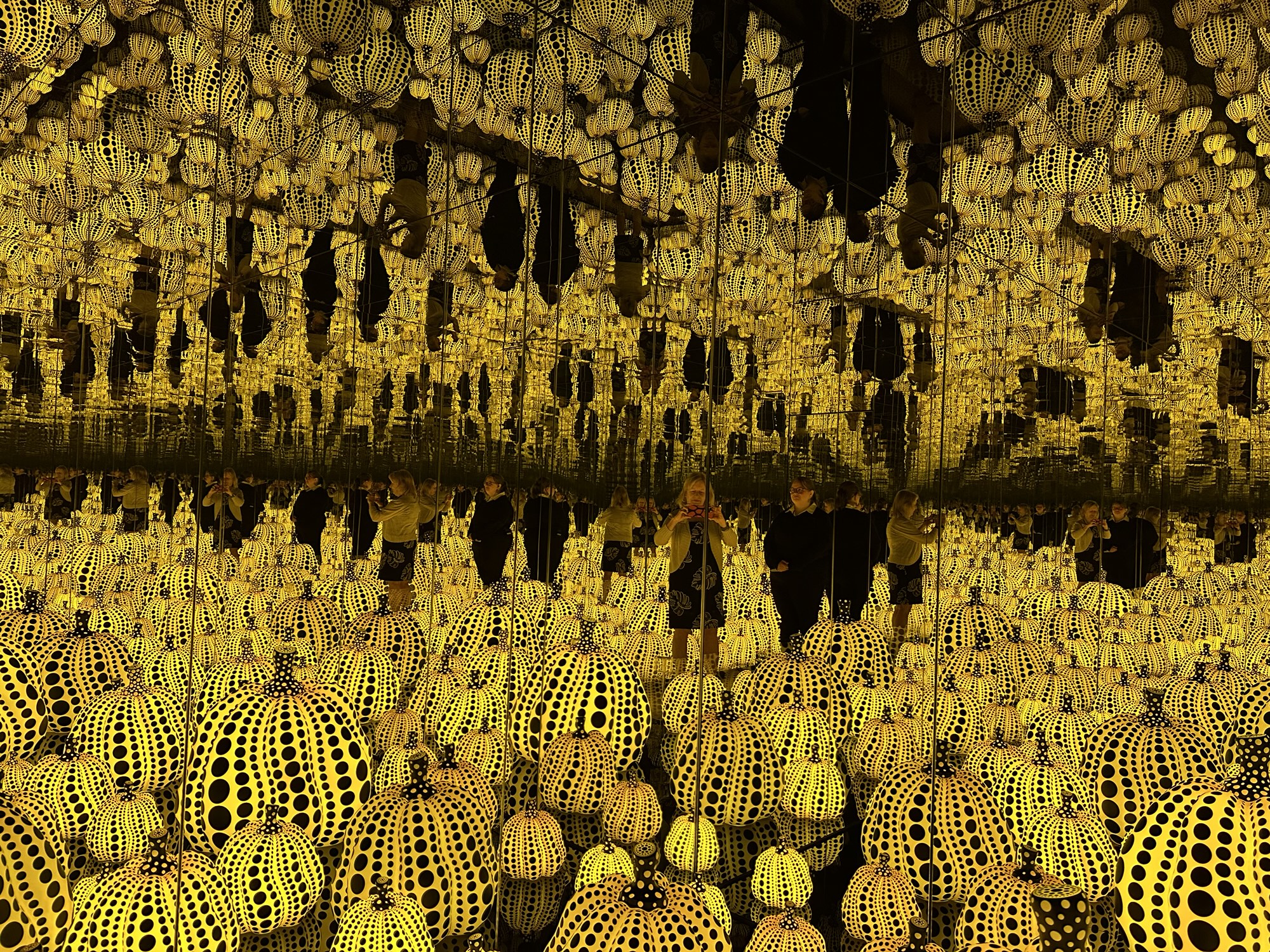
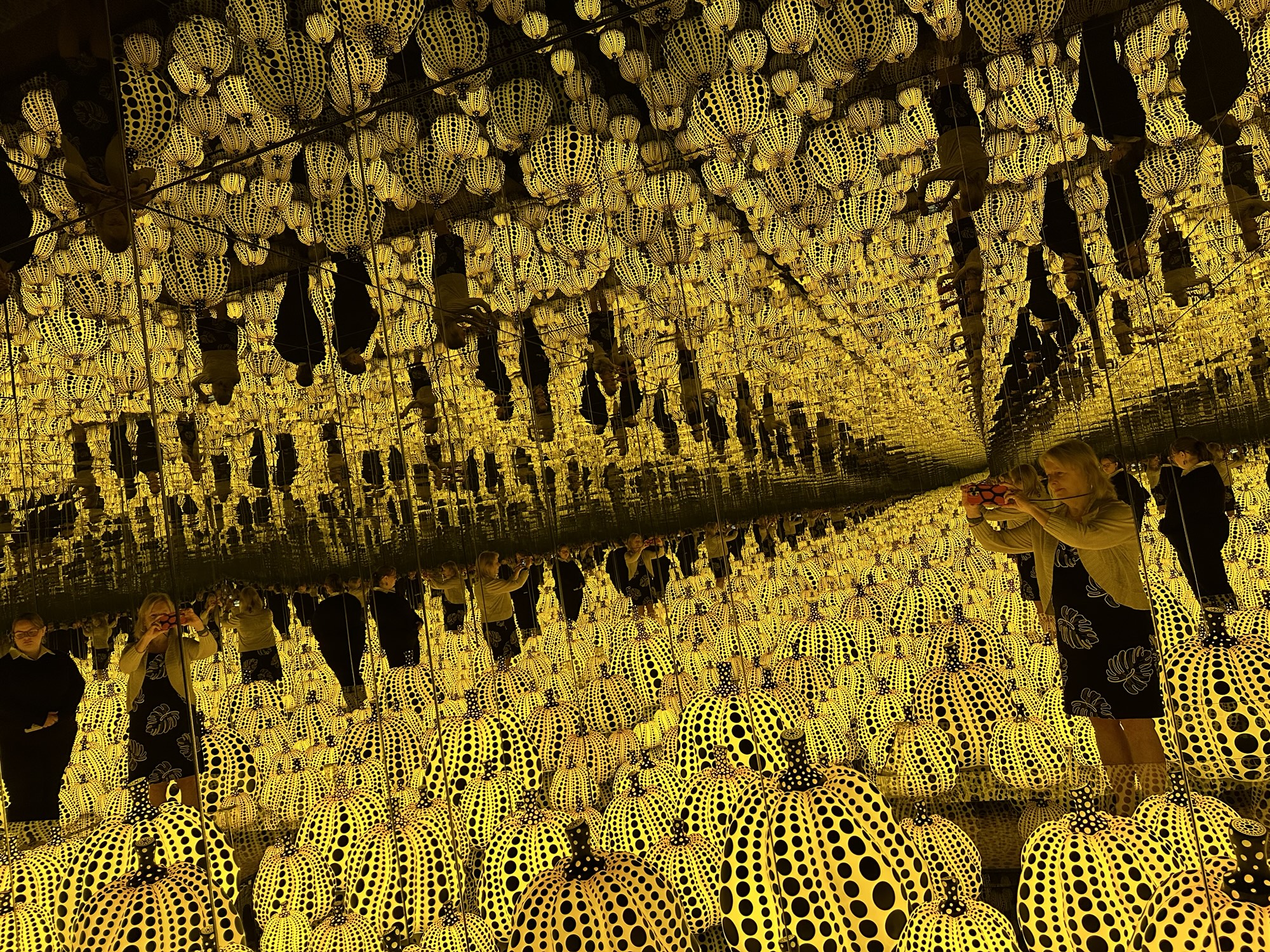
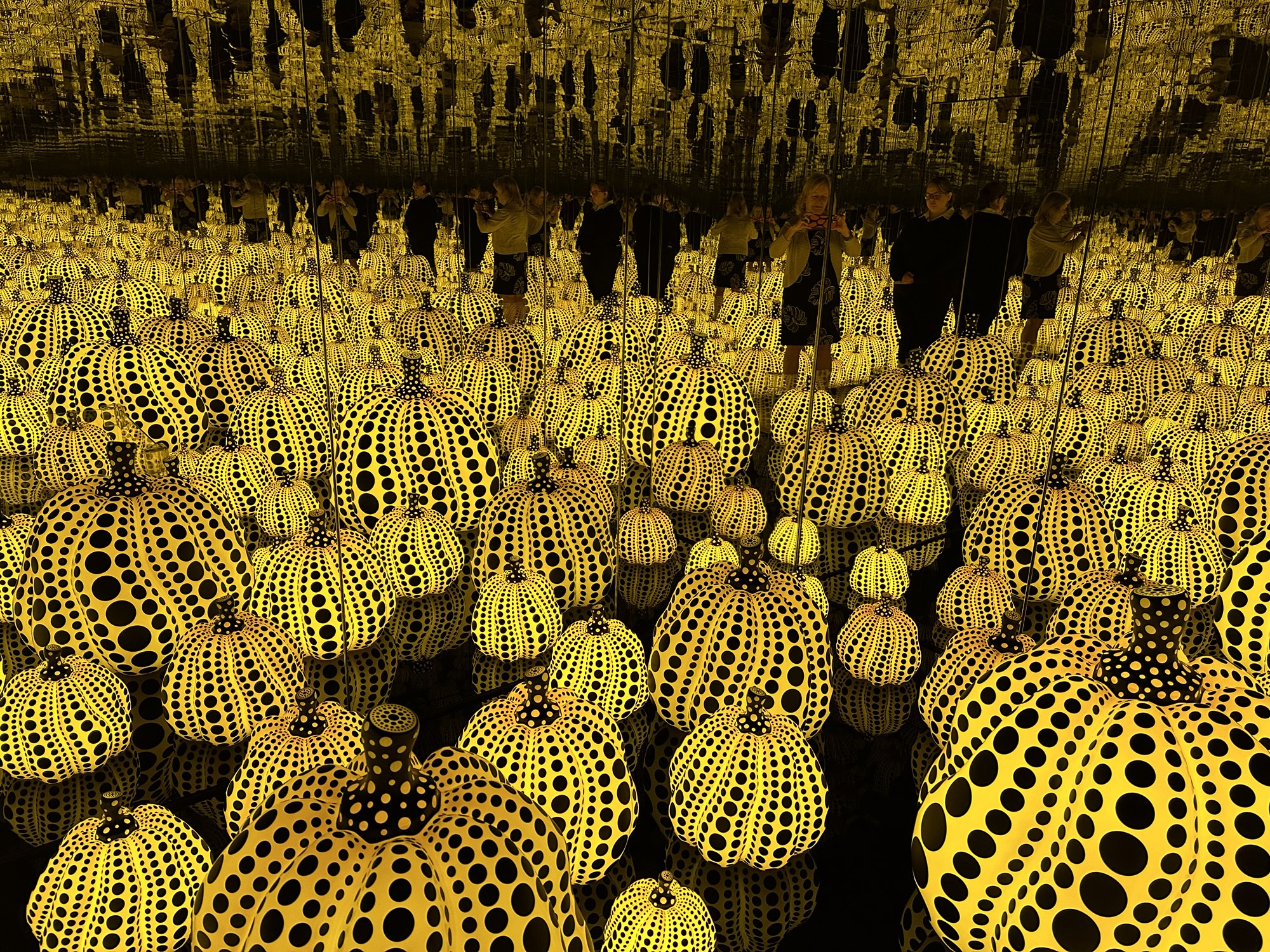
Standing in Yayoi Kusama’s small infinity mirror room, “All the Eternal Love I Have for the Pumpkins,” at Cincinnati Art Museum, you feel insignificant, like a speck in the universe or a grain of sand in a desert. Reflections of the pumpkins — and you — fan out into infinity and beyond. At the same time, the immersive gathering of pumpkins is uplifting. You are surrounded on all sides by sculptures of different sizes but each holding an inner glow. It’s whimsical, and it makes you smile. Kusama’s career spans seven decades. Now 97, she describes her pumpkins as a form of self-portraiture. She first encountered pumpkins in the fields of her childhood home in Matsumoto, Japan, saying that they speak to her of the joy of living. “They are both humble and amusing at the same time,” she said. Her pumpkin motifs began appearing in her art in the 1980s. Her first pumpkin mirrored room was featured in the 1993 Venice Bienniale, where Kusama represented Japan. “All the Eternal Love I Have for the Pumpkins” is on loan from the Dallas Museum of Art.
If you go: The installation is ticketed. Free to members. Entrance is limited to two people at any one time and is timed based, allowing each group of visitors 1 minute and 30 seconds in the installation. There are cubby holes for your purses and bags. Read more about it here.
I’m still thinking about ‘Lalovavi,” the first opera in Cincinnati Opera’s Black Opera Project, which had its world premiere last week, July 9 and 11. The Afrofuturist opera is set in a fantasy world that reimagines Black history and culture, with music by Kevin Day and the libretto by Tifara Brown.(Cincinnati MacDowell Society friends might be interested to know that Day wrote much of his score at the MacDowell colony.)
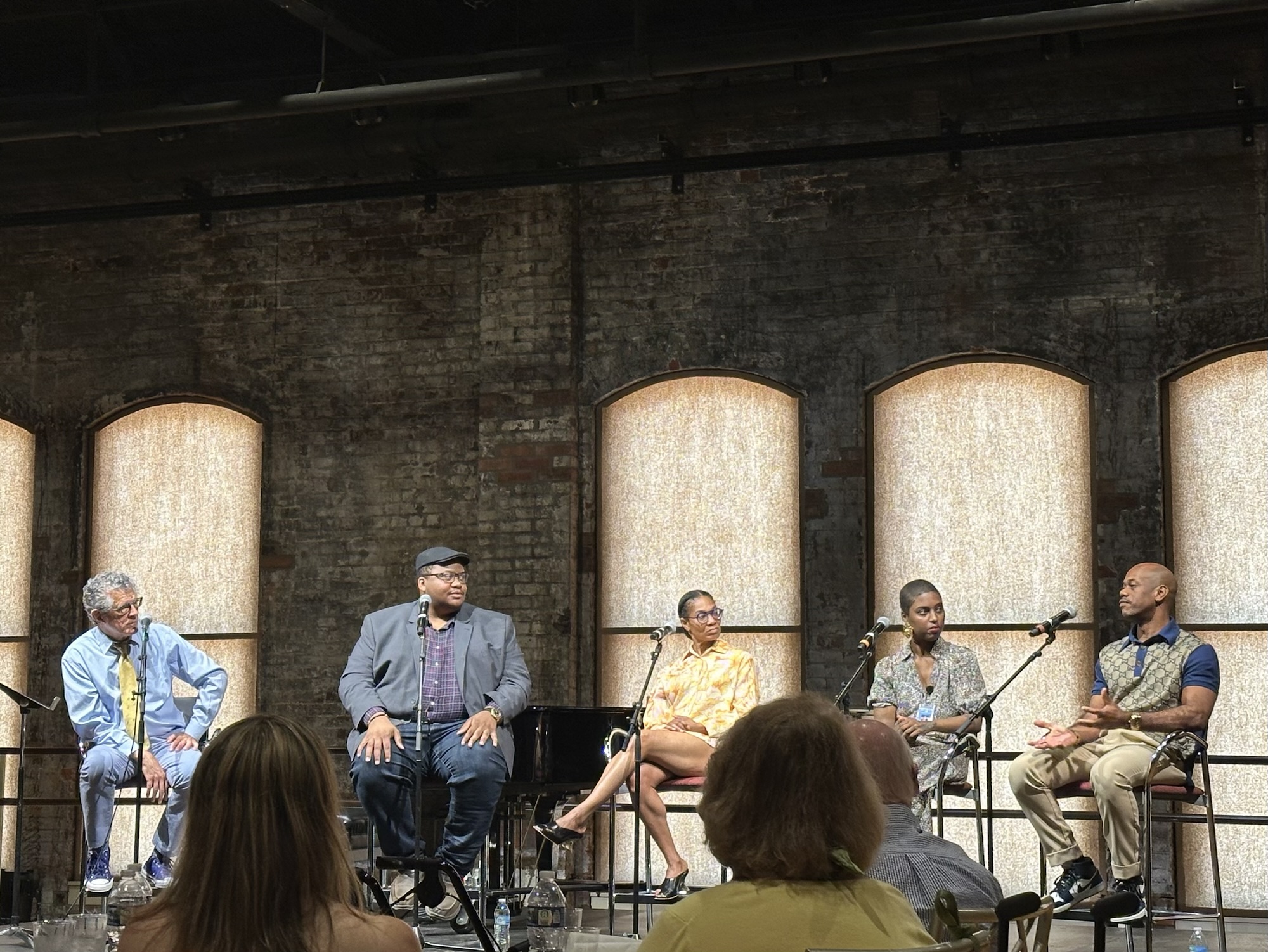
The creators spoke in a panel discussion with artistic director Evans Mirageas. Left to Right: composer Kevin Day, choreographer Chloe O. Davis, librettist Tifara Brown and conductor Kevin Miller
Besides the artistry that we witnessed onstage, the opera had an overwhelming reception by the audience on the evening I attended. Both performances were sold out, with only a few “limited view” seats available, I was told by officials. Music Hall seats 2,388 in its “opera” configuration. I was extremely impressed by the company’s success in getting out the Black community, which bodes well for the next two operas in this trilogy, coming, respectively, in the next two seasons. This project, which aims to tell uplifting Black American stories, could signal a seminal moment in American opera programming.
Click on the links above to interviews with the creators and my review, both on Cincinnati Business Courier. They are free to read. If you have a problem, please let me know.
Coming soon: Bizet’s “Carmen,” starring J’Nai Bridges in the title role and Matthew White as Don José in four performances in Music Hall: July 25, 29, 31 and Aug. 2. cincinnatiopera.org/carmen for info and tickets.
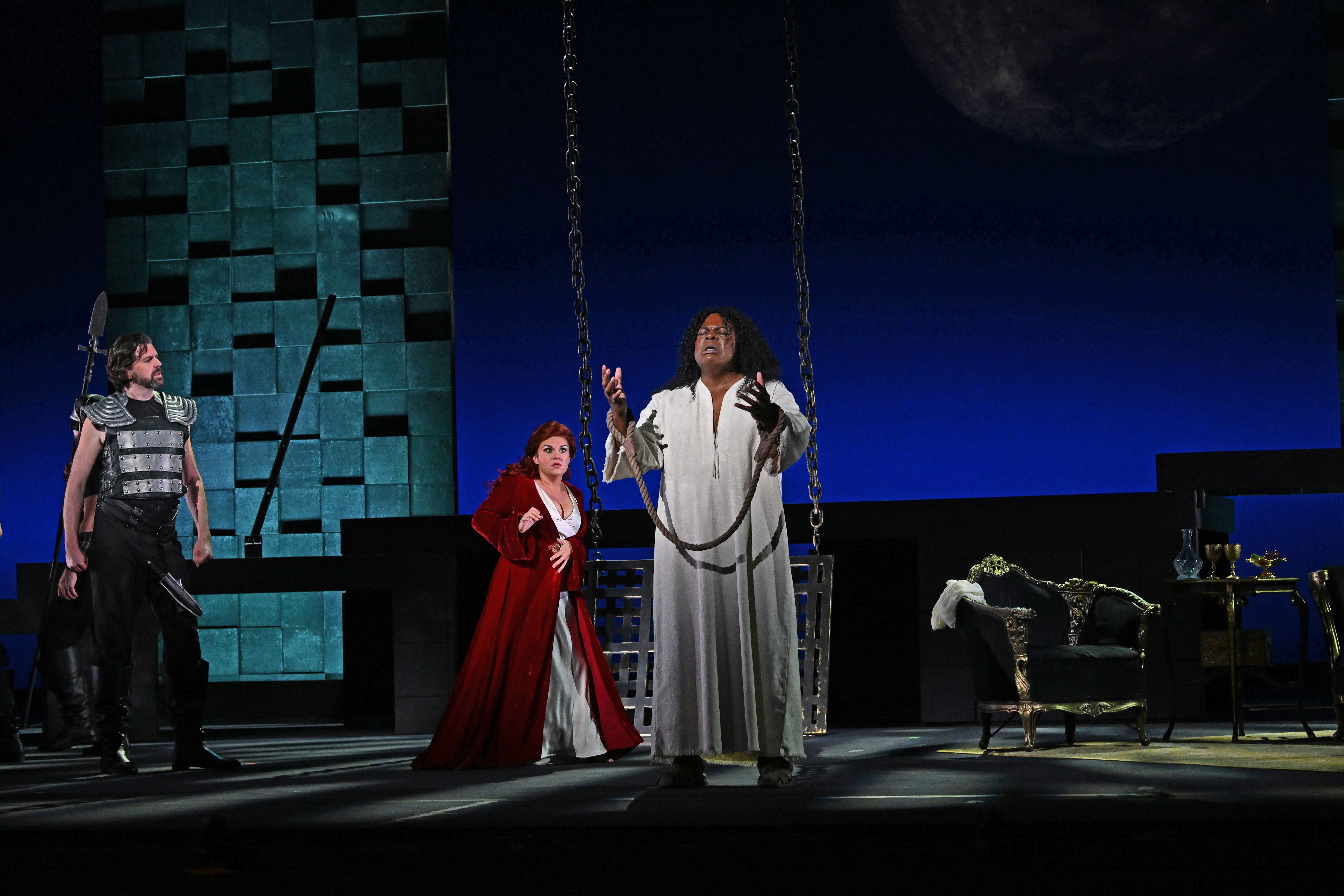
Jochanaan (Alfred Walker) is repulsed by Salome’s (Kathryn Lewek) infatuation. Tenor Zach Borichevsky, left, performed the role of Narraboth, captain of the guard. Photos by Philip Groshong are provided by Cincinnati Opera
For his opera about the depraved princess Salome who performs the “Dance of the Seven Veils” for Herod in return for the head of John the Baptist on a platter, Richard Strauss wanted “a 16-year-old princess with the voice of an Isolde.”
In her role debut as Salome at Cincinnati Opera on June 18, soprano Kathryn Lewek fit the bill spectacularly with vocal intensity and blazing high notes. She delivered a searing performance, singing with unflagging fervor all the way through her final, lurid moments of necrophilia with the severed head. The audience in Music Hall for the season opener on June 18 was riveted from beginning to end by the production staged by Jose Maria Condemi and conducted by Robert Spano.
“Salome” was last produced by the company in 2000 under then-artistic director Nic Muni. More than 120 years after its premiere, Richard Strauss’ opera “Salome” is still a shocker. The biblical story — which refers to Salome not by name but as the daughter of Herodias — may be found in the New Testament. Jochanaan, the prophet known as John the Baptist, was a prisoner of Herod, the tetrarch of Judea and Salome’s stepfather. It was Oscar Wilde who embellished the story, and Strauss based his 1905 opera on Wilde’s play. Hedwig Lachmann’s German translation of the play forms the libretto, with judicious trims made by Strauss.
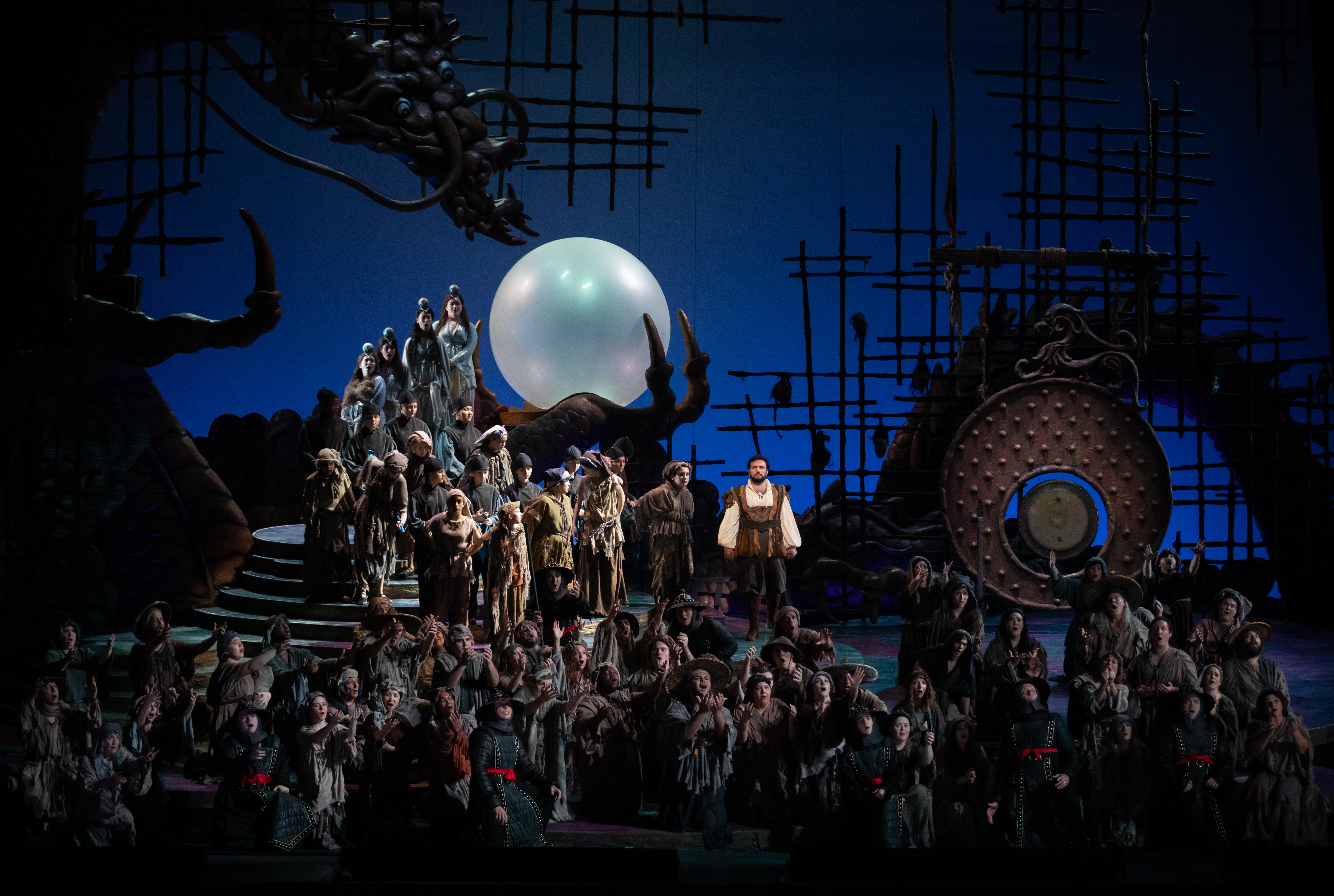
The production was from San Diego Opera, which was also staged by Condemi, now a faculty member at the University of Cincinnati College-Conservatory of Music. A single, modernist scenic design (Tim Wallace) served the one-act opera. The palace terrace consisted of large stone pillars and an expansive ramp with steps going down to the floor where the cistern lay. A large, full moon loomed over the proceedings, and Thomas C. Hase’s effective lighting design followed the drama, sometimes bathing the entire stage in blood red. Lavish costumes (Anita Yavich) fit the period.
An exceptional cast told the story. It was Lewek’s second role debut with Cincinnati Opera’s summer festival after making an impressive debut singing Gilda in Verdi’s “Rigoletto” last year.
Lewek, as Salome, dashed impetuously onstage (coming from Herod’s banquet), and instantly became infatuated with the prisoner in the cistern, Jochanaan. She sang with a voice of beauty throughout her range, easily making Strauss’ difficult vocal leaps and tackling the lower register with clarity. She poured out her feelings in long, rapturous streams of love for Jochanaan’s skin, his hair, his lips, eventually crawling on her belly to grovel at his feet.Read More »
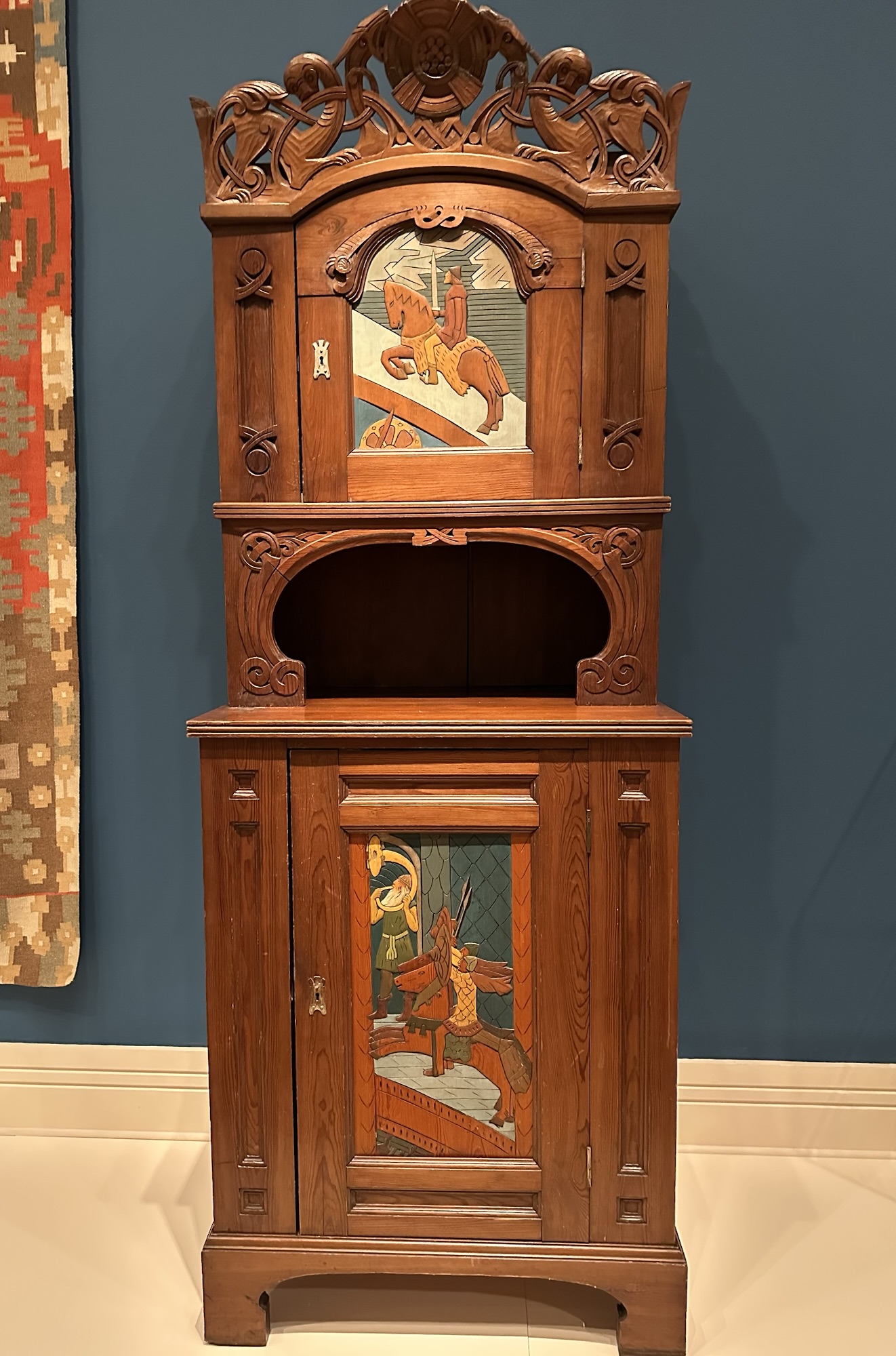
Having just seen Wagner’s opera, “Twilight of the Gods” at Atlanta Opera last week, imagine my astonishment when I discovered this cabinet in the Taft Museum of Art’s new exhibition, “The Scandinavian Home: Landscape and Lore.” It depicts King Håkan the Good riding across the Gjallerbrui, and Gondal and Skogul — two Valkyries — Riding into Valhalla, from the ancient Norse saga, Hákonarmál. It appears that a Norwegian cabinet maker and carver John Borgersen made the cabinet to the designs by artist Gerhard Munthe (Norwegian, 1849–1929).
Cabinet, 1910, pine with gouache on glass. From the Collection of David and Susan Werner, on display at the Taft.
Watch for my article next week in the Business Courier about the show.
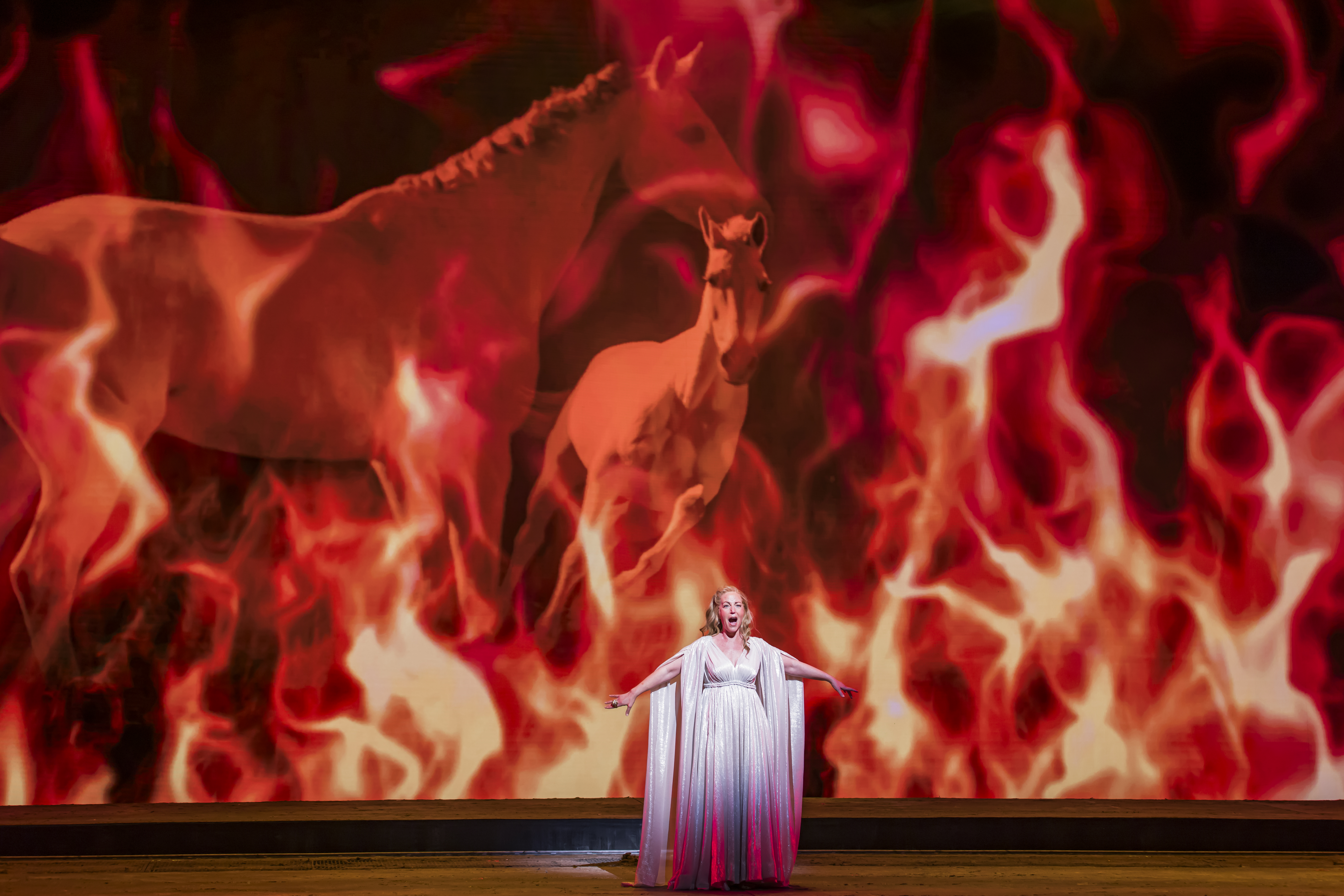
The finale of Atlanta Opera’s “Twilight Of The Gods,” with Lise Lindstrom as Brünnhilde/ production photos were provided by Atlanta Opera
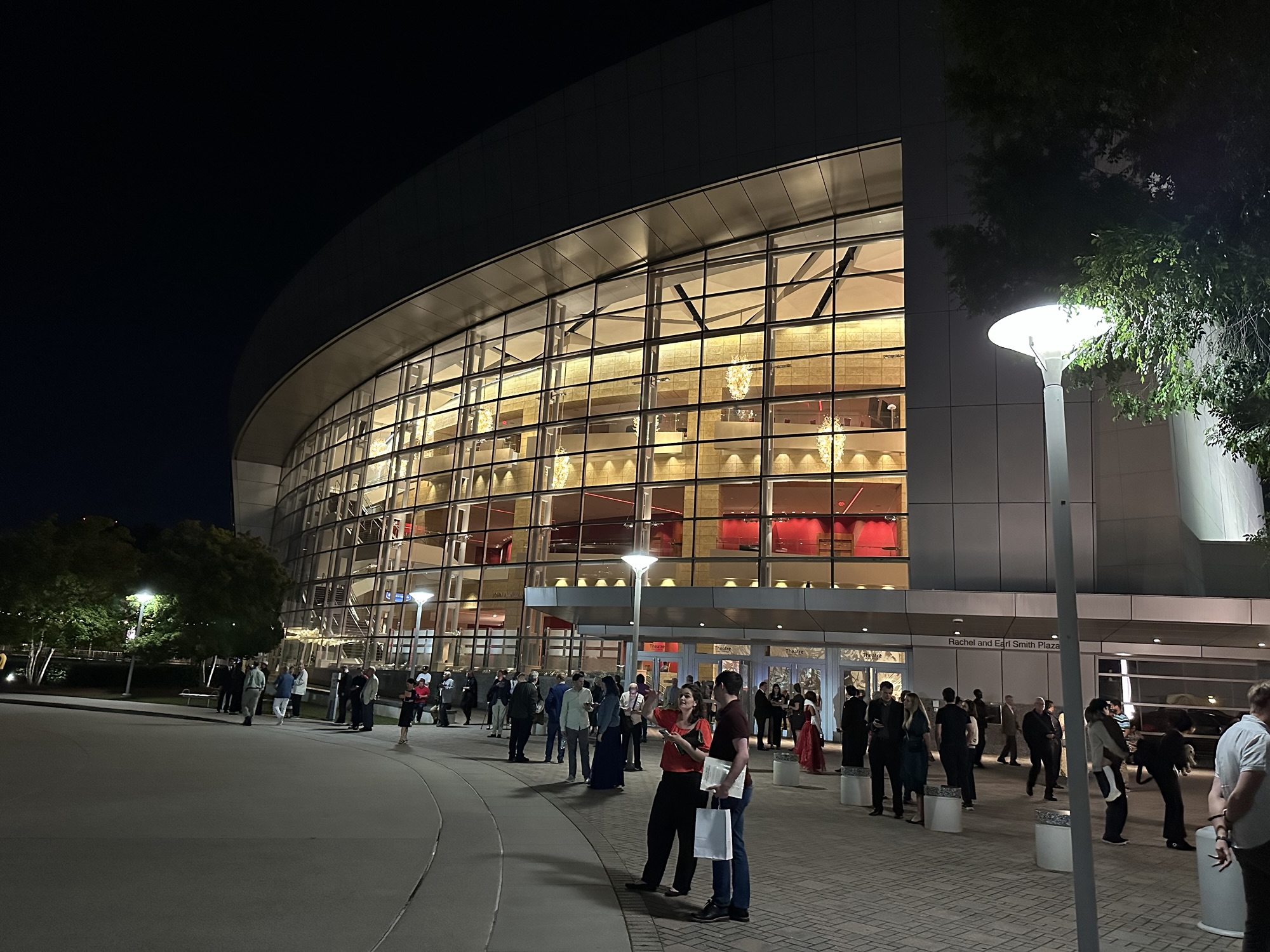
Last weekend, the Music Critics Association of North America held its annual meeting in Atlanta, GA, with host partners the Atlanta Symphony Orchestra,Atlanta Opera and the Alliance Theatre. The stars aligned so that we were able to see performances by each organization. (Stay tuned for further impressions about each.) In addition, there were some wonderful exhibitions at the High Museum of Art. You may not think of Atlanta as being especially arts-centric. But I was impressed by the high-caliber performances, the strong donor support and the diverse audiences, all illustrating how important the arts have become in this Southern city.
Cobb Energy Performing Arts Centre, ca. 2007, is Atlanta Opera’s current home.
One of the most striking examples of this is the Atlanta Opera, under the leadership of Israeli-born General and Artistic Director Tomer Zvulun for the past 13 years. (Cincinnati Opera audiences have seen two operas with Zvulun’s staging in recent years: last year’s “Rigoletto” and Wagner’s “The Flying Dutchman” in 2018.) He spoke to our group before we trekked to the Cobb Energy Performing Arts Centre, the company’s home about 10 miles from Midtown Atlanta.
The current “Ring” Cycle — Wagner’s epic masterpiece of four operas, “Das Rheingold,” “Die Walküre,” “Siegfried” and “Götterdämmerung” — was staged, one by one, starting in 2023. The completion of “Götterdämmerung” — “Twilight of the Gods” — marked the American Southeast’s first fully staged production of the “Ring.”
Zvulun dedicated the work to his mentor, the late Speight Jenkins, who, as general director of Seattle Opera, mounted three “Ring” cycles. Zvulun has used technology to keep down costs. His productions have benefited from an 80 foot by 40 foot LED wall. The overall concept as well as the projections for “Götterdämmerung” were simply breathtaking.
The scenic and projection design by Erhard Rom featured Brutalist architecture for the court of the Gibichungs, befitting a Fascist-like regime. Its walls stretched into infinity so seamlessly, that it was impossible to tell where the projections began beyond the pillars of the set.
Indeed, the visual elements left the viewer with indelible impressions. Act III opened on a magical setting in an emerald green forest by the Rhine as the Rhinemaidens cavorted (Gretchen Krupp, Flosshilde; Cadie J. Bryan, Woglinde; and Alexandra Razskazoff, Wellgunde). The ship sailed up the Rhine, images of Wotan gazed from the clouds and Siegfried’s funeral pyre grew to a full-blown catastrophe. Brünnhilde’s horse, Grane, could be seen in the flames before the ex-Valkyrie joined, along with the Ring on her finger, and Valhalla came crashing down.
Zvulun’s staging was natural, effective and allowed the drama to unfold clearly. I was struck by how he’d leave a character – Brünnhilde, Gutrune and especially Hagen – onstage with backs turned, frozen, staring out into the Rhine, waiting, watching, or in Hagen’s case perhaps, conniving, as a scene progressed. In this way, it became very much a psychological drama, even a thriller. The forces were always there.Read More »
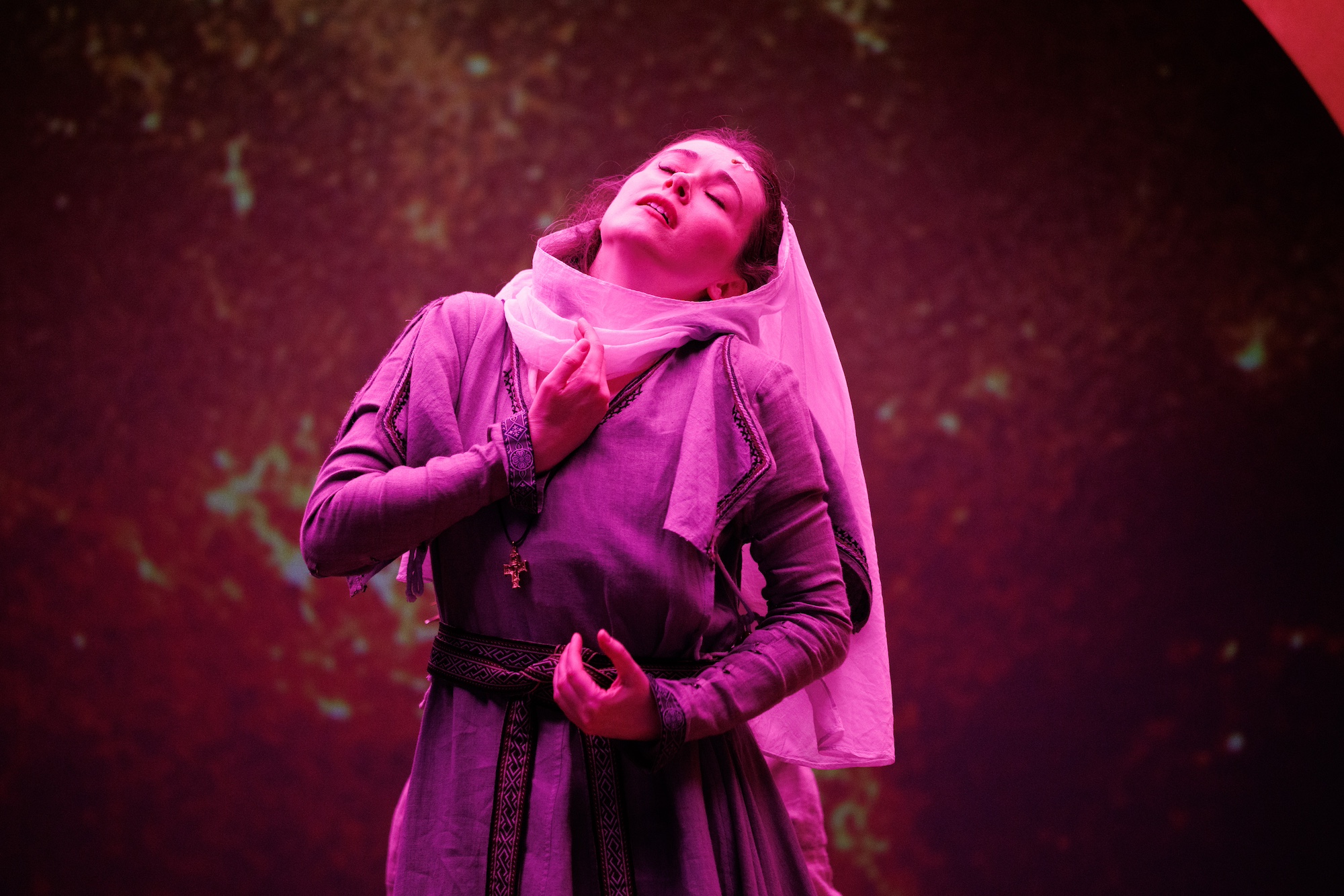
Nola Richardson as Hildegard during the premiere of “Hildegard” (Photo by Maria Baranova, provided by MCANA)
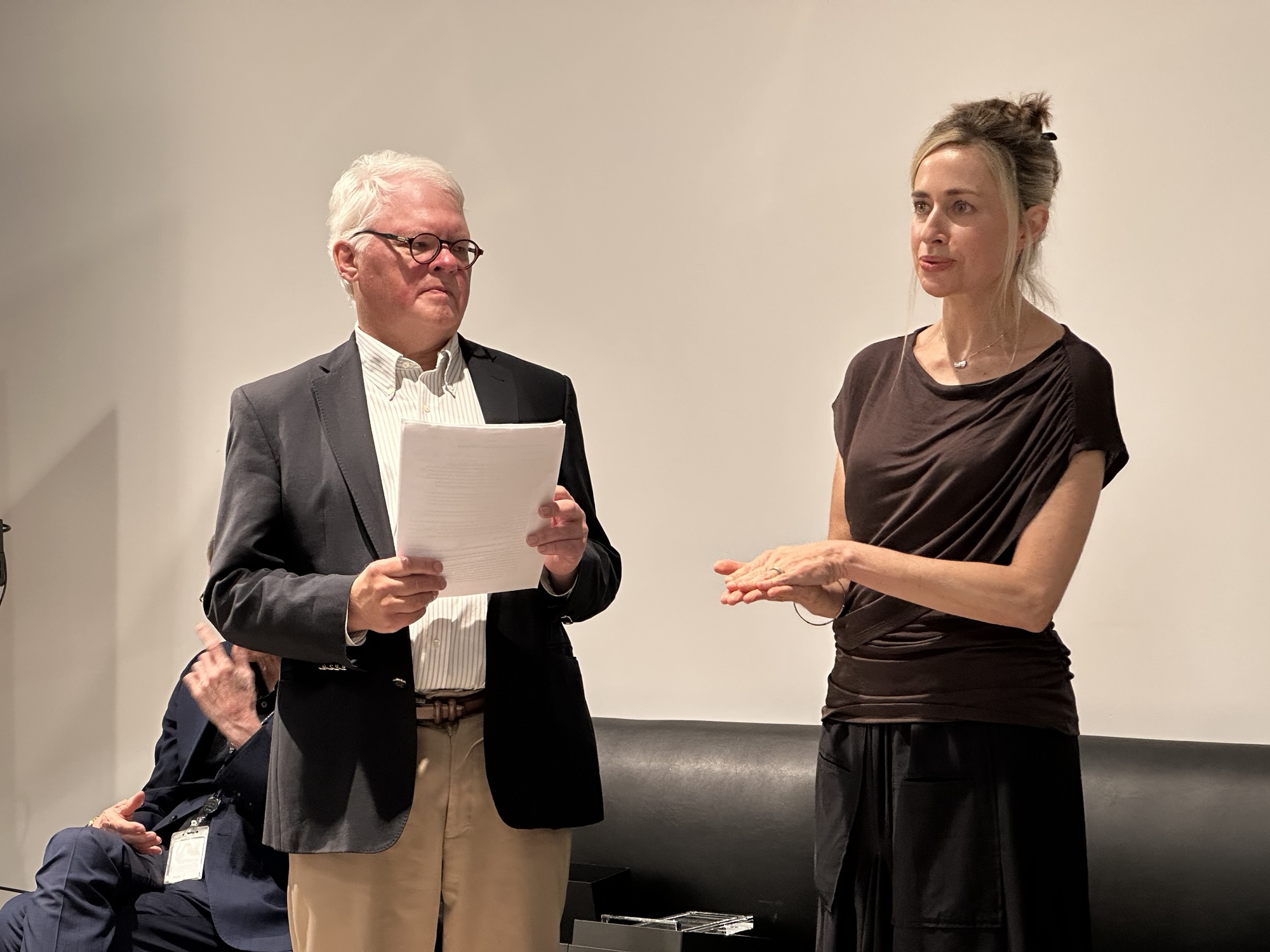
The opera “Hildegard,” by American composer Sarah Kirkland Snider has received the 2026 Award for Best New Opera by the Music Critics Association of North America (MCANA). Award Committee member Arthur Kaptainis presented the award to Snider on June 6 in Atlanta at MCANA’s annual meeting (hosted by the Atlanta Symphony and Atlanta Opera). She wrote both the music and the libretto.
The award honors musical and theatrical excellence in a fully staged opera that received its world premiere in North America during the preceding calendar year.
The opera, based on the life of the 12th-century German abbess Hildegard von Bingen, was partly developed in Cincinnati at an Opera Fusion: New Works workshop in 2024, the composer told me. She spoke to MCANA members about how, not knowing anything about the 12th-century abbess, she became captivated by Hildegard’s story after reading Oliver Sacks’ book, “Migraine,” where he posed the theory that Hildegard’s reported visions were caused by migraines. As a sufferer of migraines, it struck a chord with Snider, who began a deep dive into Hildegard’s life and her music.
Award Committee member Arthur Kaptainis spoke with composer Sarah Kirkland Snider about her opera, “Hildegard.”
Snider said it was “easily the most daunting artistic undertaking of my life,” and its composition and development took about 10 years. She is described as “one of new music’s leading names” (Gramophone), one of the “Top 35 Female Composers in Classical Music” (The Washington Post), and “a rising star on the American compositional scene” (The Wall Street Journal).
This year’s Awards Committee was co-chaired by Heidi Waleson (opera critic of The Wall Street Journal) and George Loomis (longtime contributor to the Financial Times and Musical America)—alongside committee members Arthur Kaptainis (contributor to Ludwig van Toronto and former music critic of the Montreal Gazette),John Rockwell (former critic and arts editor of The New York Times and a regular correspondent for Opera (UK) and Musical America), and Alex Ross (music critic of The New Yorker).
In praise of “Hildegard,” the committee wrote: “This compelling work of historical fiction explores the life and mind of the 12th century Benedictine abbess, visionary, and composer Hildegard von Bingen. Snider’s well-crafted libretto sets the action at a biographical turning point in 1147, when Hildegard’s transcribed visions were submitted to the pope, who would declare her to be either a prophet or a heretic.
“This complex heroine, who stands up to the power of the church and is disturbed by the nature of her feelings for a young novice, is captured in Snider’s distinctive, haunting music which reaches its apogee in the brilliantly explosive visions. Remarkable timbral variety belies the small size of the accompanying ensemble, and throughout, the opera’s musical radiance illuminates Hildegard’s visceral connection with the divine.”
The two-act chamber opera was commissioned byBeth Morrison Projects and theAspen Music Festival, and premiered byLos Angeles OperaandPrototype Festival in New York City, to rapturous reviews. “Hildegard”will have a semi-staged performance at the Aspen Music Festival this summer, at Harris Concert Hall on July 31. Future performances are being planned in the United States and Europe, as is a studio recording.
The Best New Opera Award reflects the overarching mission of MCANA to recognize distinctive achievements and, through its web publicationClassical Voice North America, to communicate the richness of musical life in the U.S. and Canada at a time when classical music coverage in traditional print media is shrinking.
“Hildegard” is the ninth such award bestowed by MCANA, whose members submit the nominations.
A public performance of excerpts from “Hildegard” took place on Oct. 10, 2024 in Cincinnati Music Hall’s Wilks Studio. That’s because Cincinnati has become one of the leaders of developing new opera in America. Opera Fusion: New Works is a collaboration of Cincinnati Opera and the University of Cincinnati College-Conservatory of Music.
For four cycles, the program was funded by a grant from the Mellon Foundation. When the grant ran out, a devoted Cincinnati patron stepped up to underwrite Opera Fusion: New Works, which is now funded by an anonymous donation, said Cincinnati Opera Artistic Director Evans Mirageas.
“We’re coming to the end of the first full year of a three-year cycle of Opera Fusion, funded by a single donor. We’re just incredibly grateful to that person,” Mirageas said.
“It’s unheard of in the history of philanthropy for a grant to be renewed four times,” he said, referring to the Mellon Foundation’s generosity. “What it did is it helped us build the repertoire of other companies. (Opera Fusion primarily workshops new opera for other companies.) But more importantly, locally, it built an audience, because we started getting sellout houses, as it were, for the presentations (of excerpts) at the end of workshops.”
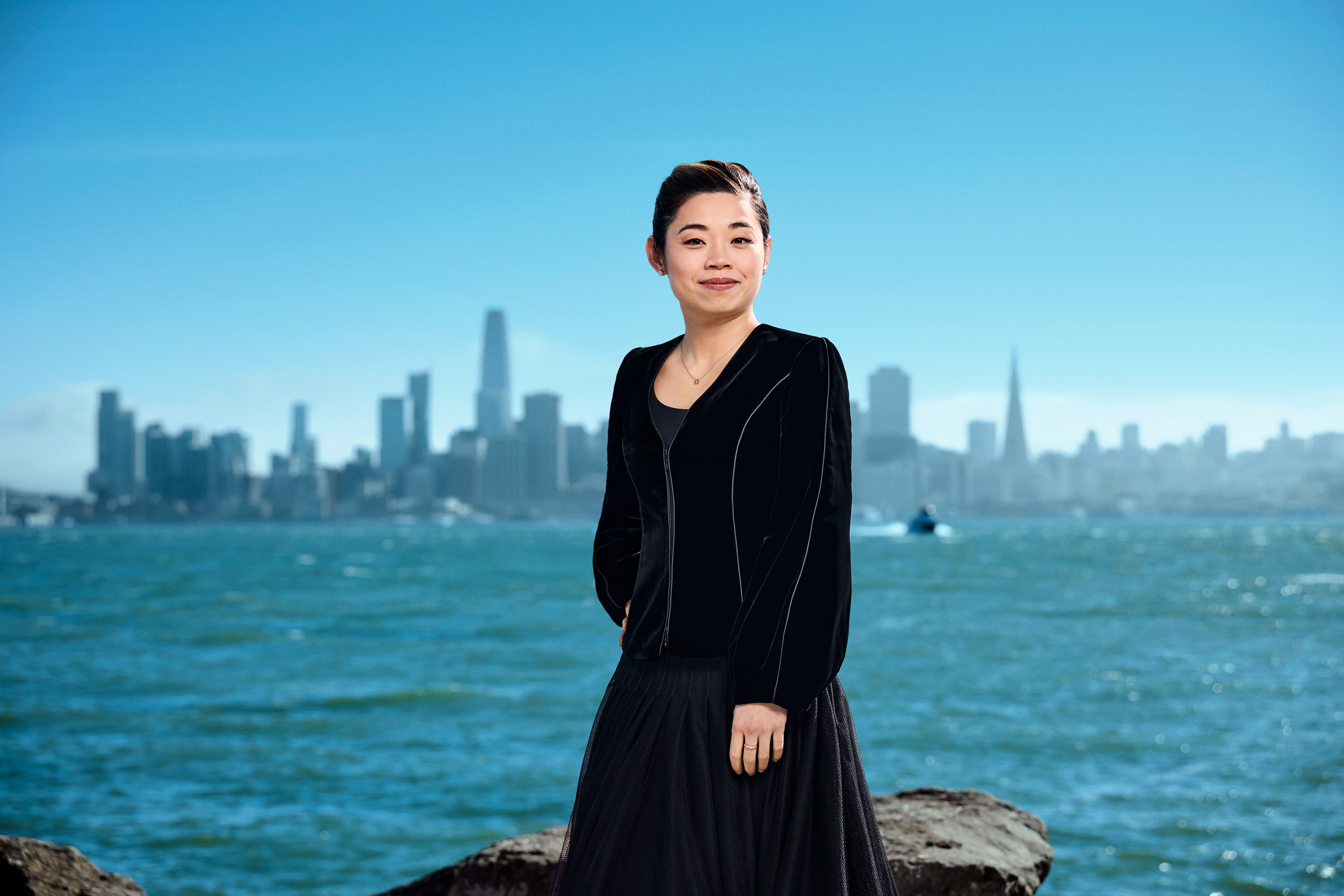
Photo by Cody Pickens/provided San Francisco Symphony
Conductor Elim Chan will succeed Esa-Pekka Salonen as music director of the San Francisco Symphony, the 115-year-old orchestra announced today, May 21. She will begin her tenure in the 2027-28 season, for an initial six-year term. Chan will join the San Francisco Symphony as Music Director Designate effective immediately, and will lead the SFS on June 5-6 in a program including Richard Wagner’s Prelude and Liebestod from Tristan und Isolde, Berlioz’s Les Nuits d’été featuring mezzo-soprano Sasha Cooke as soloist, and Claude Debussy’s La Mer. Tickets are available now at sfsymphony.org/elimchan.
She initially made her San Francisco debut in the 2022-23 season — the same year that she made her debut with the Cincinnati Symphony. She made an impression here, too. Here is my review from her concert in Cincinnati.Read More »