Valhalla falls in spectacular inferno in ‘Götterdämmerung’ as Atlanta Opera embarks upon new chapter

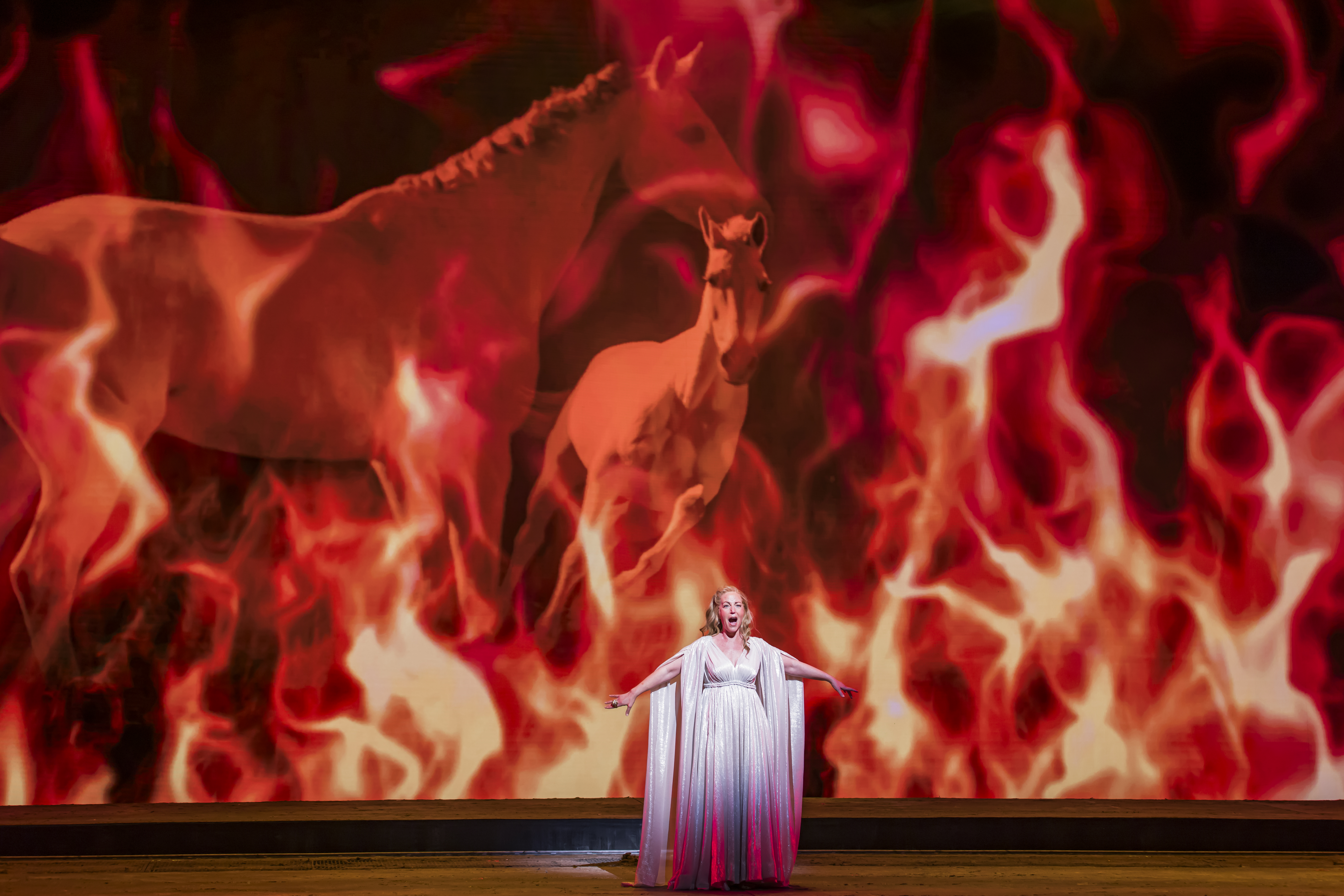
The finale of Atlanta Opera’s “Twilight Of The Gods,” with Lise Lindstrom as Brünnhilde/ production photos were provided by Atlanta Opera

Last weekend, the Music Critics Association of North America held its annual meeting in Atlanta, GA, with host partners the Atlanta Symphony Orchestra, Atlanta Opera and the Alliance Theatre. The stars aligned so that we were able to see performances by each organization. (Stay tuned for further impressions about each.) In addition, there were some wonderful exhibitions at the High Museum of Art. You may not think of Atlanta as being especially arts-centric. But I was impressed by the high-caliber performances, the strong donor support and the diverse audiences, all illustrating how important the arts have become in this Southern city.
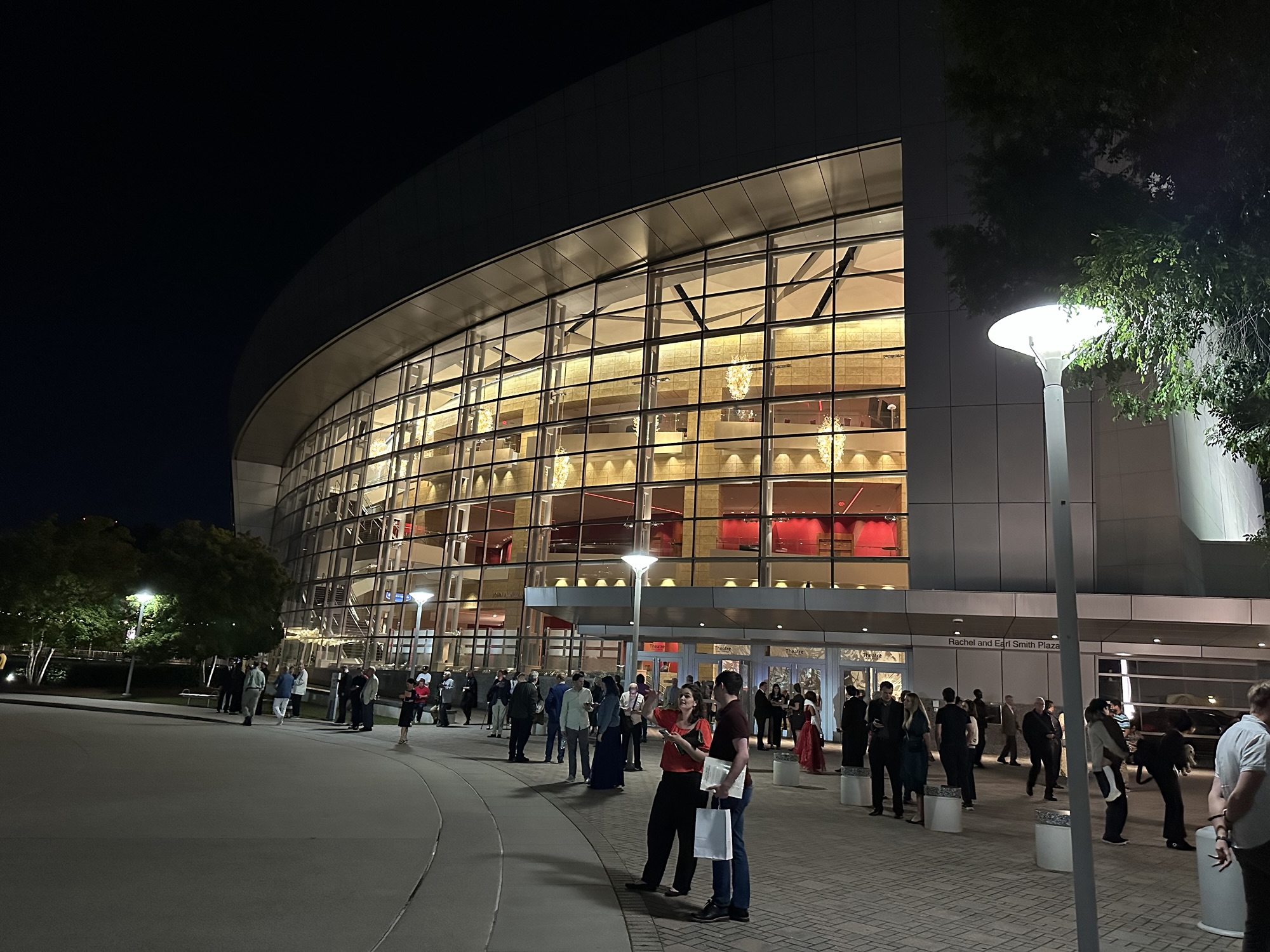
Cobb Energy Performing Arts Centre, ca. 2007, is Atlanta Opera’s current home.

One of the most striking examples of this is the Atlanta Opera, under the leadership of Israeli-born General and Artistic Director Tomer Zvulun for the past 13 years. (Cincinnati Opera audiences have seen two operas with Zvulun’s staging in recent years: last year’s “Rigoletto” and Wagner’s “The Flying Dutchman” in 2018.) He spoke to our group before we trekked to the Cobb Energy Performing Arts Centre, the company’s home about 10 miles from Midtown Atlanta.

The current “Ring” Cycle — Wagner’s epic masterpiece of four operas, “Das Rheingold,” “Die Walküre,” “Siegfried” and “Götterdämmerung” — was staged, one by one, starting in 2023. The completion of “Götterdämmerung” — “Twilight of the Gods” — marked the American Southeast’s first fully staged production of the “Ring.”

Zvulun dedicated the work to his mentor, the late Speight Jenkins, who, as general director of Seattle Opera, mounted three “Ring” cycles. Zvulun has used technology to keep down costs. His productions have benefited from an 80 foot by 40 foot LED wall. The overall concept as well as the projections for “Götterdämmerung” were simply breathtaking.

The scenic and projection design by Erhard Rom featured Brutalist architecture for the court of the Gibichungs, befitting a Fascist-like regime. Its walls stretched into infinity so seamlessly, that it was impossible to tell where the projections began beyond the pillars of the set.

Indeed, the visual elements left the viewer with indelible impressions. Act III opened on a magical setting in an emerald green forest by the Rhine as the Rhinemaidens cavorted (Gretchen Krupp, Flosshilde; Cadie J. Bryan, Woglinde; and Alexandra Razskazoff, Wellgunde). The ship sailed up the Rhine, images of Wotan gazed from the clouds and Siegfried’s funeral pyre grew to a full-blown catastrophe. Brünnhilde’s horse, Grane, could be seen in the flames before the ex-Valkyrie joined, along with the Ring on her finger, and Valhalla came crashing down.

Zvulun’s staging was natural, effective and allowed the drama to unfold clearly. I was struck by how he’d leave a character – Brünnhilde, Gutrune and especially Hagen – onstage with backs turned, frozen, staring out into the Rhine, waiting, watching, or in Hagen’s case perhaps, conniving, as a scene progressed. In this way, it became very much a psychological drama, even a thriller. The forces were always there.Read More »
“Hildegard” wins 2026 Award for Best New Opera by Music Critics Association of North America

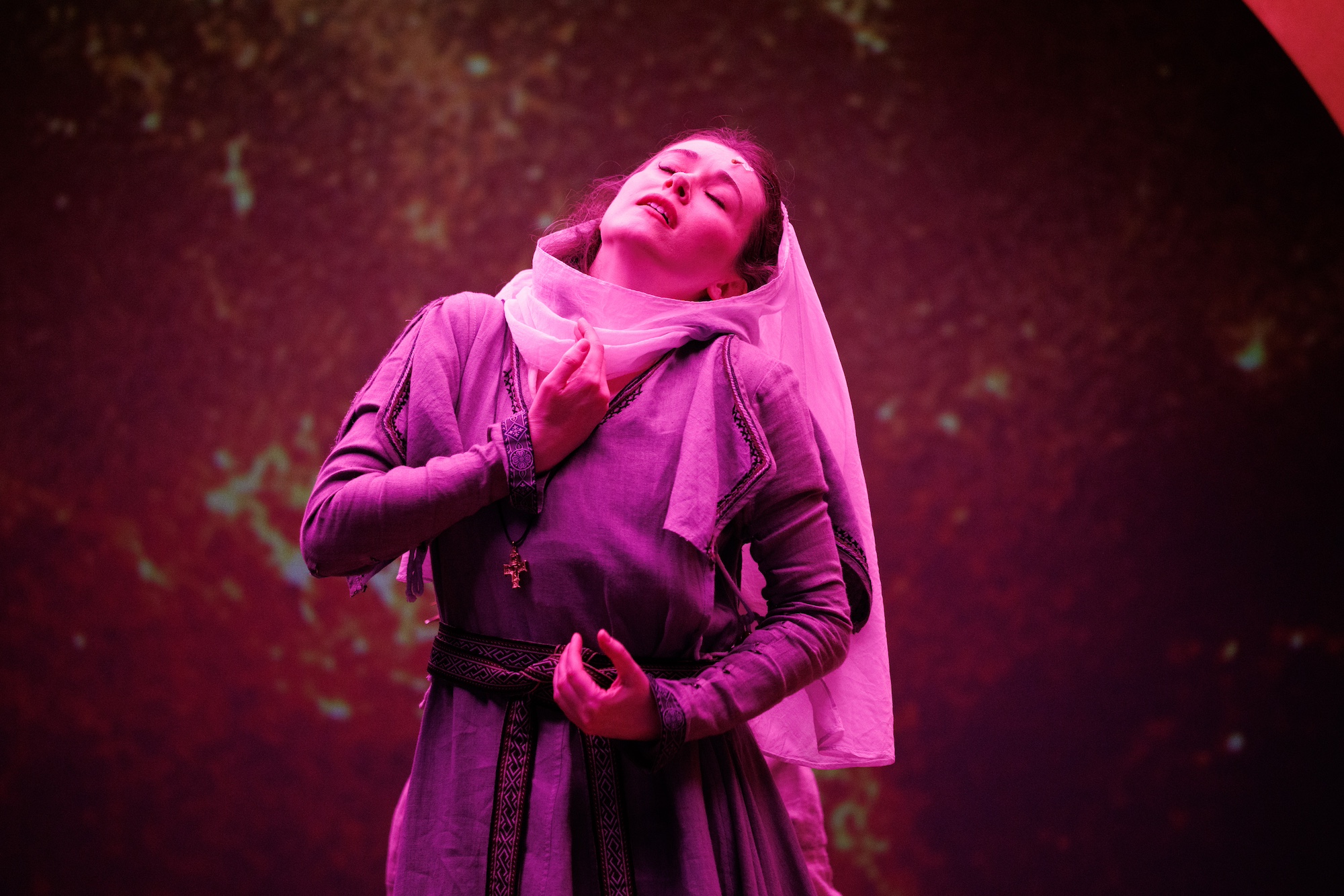
Nola Richardson as Hildegard during the premiere of “Hildegard”
(Photo by Maria Baranova, provided by MCANA)

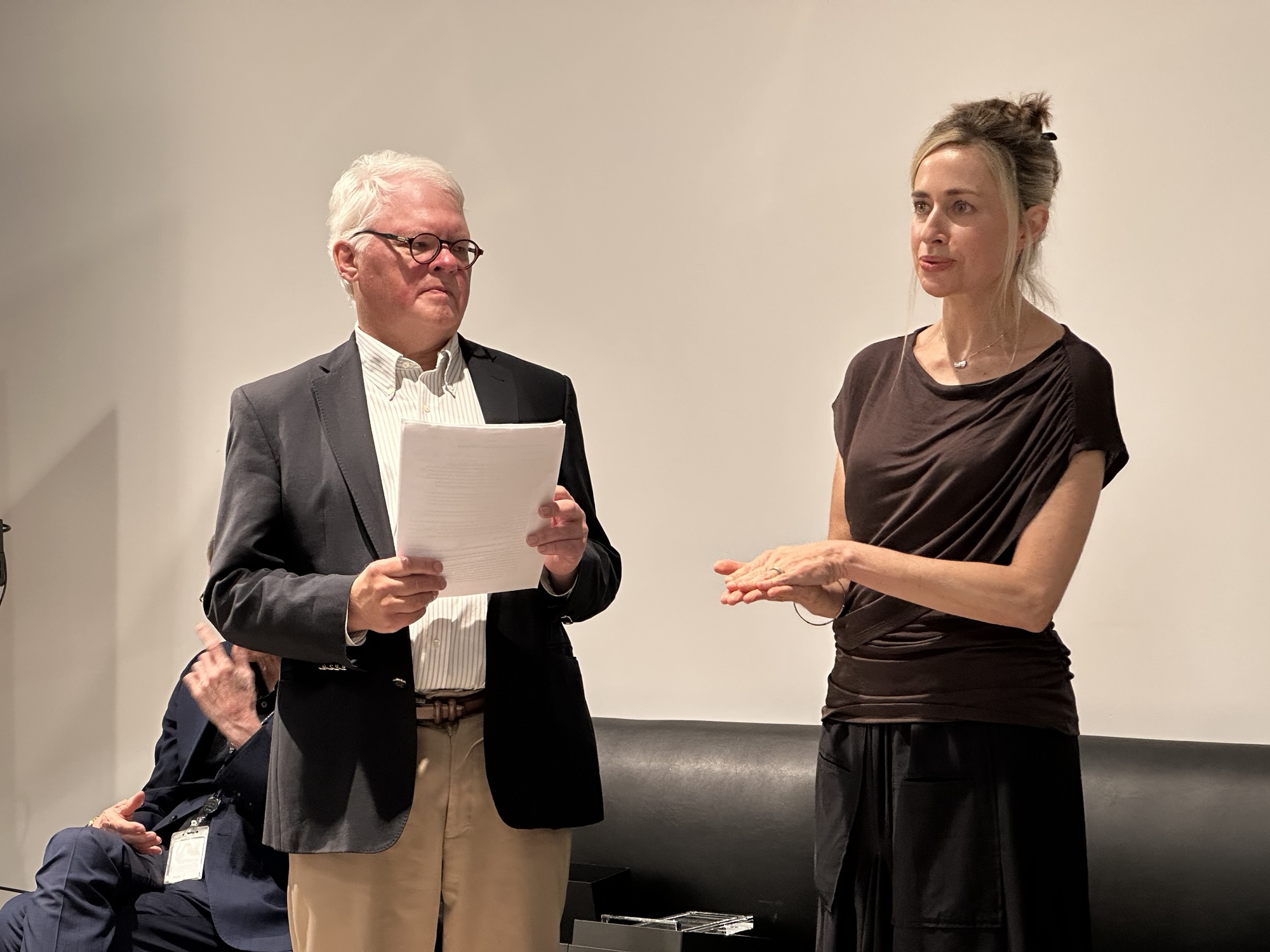
The opera “Hildegard,” by American composer Sarah Kirkland Snider has received the 2026 Award for Best New Opera by the Music Critics Association of North America (MCANA). Award Committee member Arthur Kaptainis presented the award to Snider on June 6 in Atlanta at MCANA’s annual meeting (hosted by the Atlanta Symphony and Atlanta Opera). She wrote both the music and the libretto.

The award honors musical and theatrical excellence in a fully staged opera that received its world premiere in North America during the preceding calendar year.

The opera, based on the life of the 12th-century German abbess Hildegard von Bingen, was partly developed in Cincinnati at an Opera Fusion: New Works workshop in 2024, the composer told me. She spoke to MCANA members about how, not knowing anything about the 12th-century abbess, she became captivated by Hildegard’s story after reading Oliver Sacks’ book, “Migraine,” where he posed the theory that Hildegard’s reported visions were caused by migraines. As a sufferer of migraines, it struck a chord with Snider, who began a deep dive into Hildegard’s life and her music.

Award Committee member Arthur Kaptainis spoke with composer Sarah Kirkland Snider about her opera, “Hildegard.”

Snider said it was “easily the most daunting artistic undertaking of my life,” and its composition and development took about 10 years. She is described as “one of new music’s leading names” (Gramophone), one of the “Top 35 Female Composers in Classical Music” (The Washington Post), and “a rising star on the American compositional scene” (The Wall Street Journal).

This year’s Awards Committee was co-chaired by Heidi Waleson (opera critic of The Wall Street Journal) and George Loomis (longtime contributor to the Financial Times and Musical America)—alongside committee members Arthur Kaptainis (contributor to Ludwig van Toronto and former music critic of the Montreal Gazette), John Rockwell (former critic and arts editor of The New York Times and a regular correspondent for Opera (UK) and Musical America), and Alex Ross (music critic of The New Yorker).

In praise of “Hildegard,” the committee wrote: “This compelling work of historical fiction explores the life and mind of the 12th century Benedictine abbess, visionary, and composer Hildegard von Bingen. Snider’s well-crafted libretto sets the action at a biographical turning point in 1147, when Hildegard’s transcribed visions were submitted to the pope, who would declare her to be either a prophet or a heretic.

“This complex heroine, who stands up to the power of the church and is disturbed by the nature of her feelings for a young novice, is captured in Snider’s distinctive, haunting music which reaches its apogee in the brilliantly explosive visions. Remarkable timbral variety belies the small size of the accompanying ensemble, and throughout, the opera’s musical radiance illuminates Hildegard’s visceral connection with the divine.”

The two-act chamber opera was commissioned by Beth Morrison Projects and the Aspen Music Festival, and premiered by Los Angeles Opera and Prototype Festival in New York City, to rapturous reviews. “Hildegard” will have a semi-staged performance at the Aspen Music Festival this summer, at Harris Concert Hall on July 31. Future performances are being planned in the United States and Europe, as is a studio recording.

The Best New Opera Award reflects the overarching mission of MCANA to recognize distinctive achievements and, through its web publication Classical Voice North America, to communicate the richness of musical life in the U.S. and Canada at a time when classical music coverage in traditional print media is shrinking.

“Hildegard” is the ninth such award bestowed by MCANA, whose members submit the nominations.

Read Classical Voice North America‘s feature here.

Opera Fusion: New Works

A public performance of excerpts from “Hildegard” took place on Oct. 10, 2024 in Cincinnati Music Hall’s Wilks Studio. That’s because Cincinnati has become one of the leaders of developing new opera in America. Opera Fusion: New Works is a collaboration of Cincinnati Opera and the University of Cincinnati College-Conservatory of Music.

For four cycles, the program was funded by a grant from the Mellon Foundation. When the grant ran out, a devoted Cincinnati patron stepped up to underwrite Opera Fusion: New Works, which is now funded by an anonymous donation, said Cincinnati Opera Artistic Director Evans Mirageas.

“We’re coming to the end of the first full year of a three-year cycle of Opera Fusion, funded by a single donor. We’re just incredibly grateful to that person,” Mirageas said.

“It’s unheard of in the history of philanthropy for a grant to be renewed four times,” he said, referring to the Mellon Foundation’s generosity. “What it did is it helped us build the repertoire of other companies. (Opera Fusion primarily workshops new opera for other companies.) But more importantly, locally, it built an audience, because we started getting sellout houses, as it were, for the presentations (of excerpts) at the end of workshops.”


Stephen Hough, from powerful to profound in Beethoven’s ‘Emperor’ Concerto

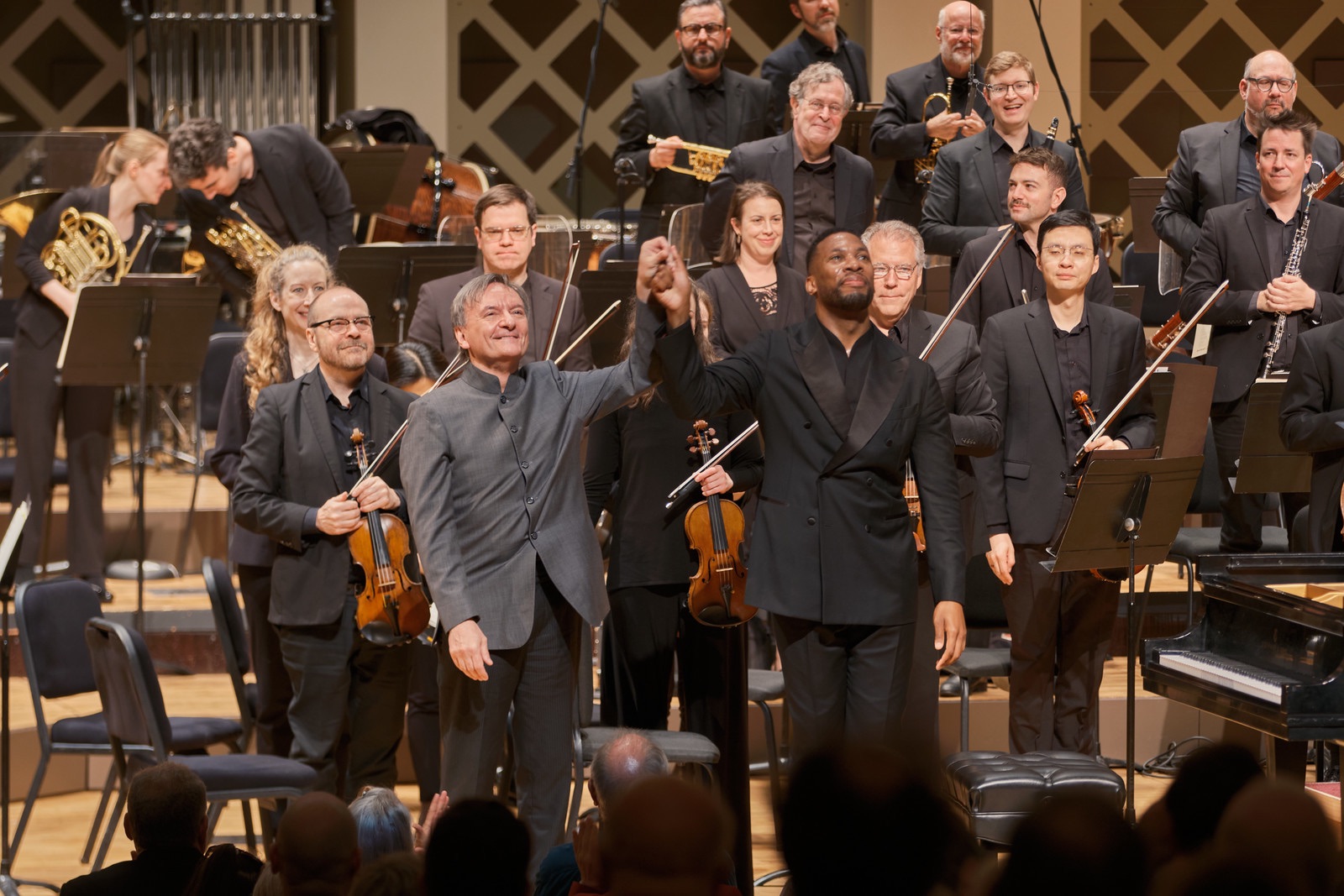
Stephen Hough joined Roderick Cox and the CSO in Beethoven. Photos by JP Leong.

If you ever doubted the power and majesty of Beethoven, pianist Stephen Hough puts those thoughts to rest with his brilliant performance of Beethoven’s Piano Concerto No. 5, “Emperor,” with the Cincinnati Symphony Orchestra on May 8 in Music Hall.

The British pianist joined returning guest conductor Roderick Cox for the CSO’s season finale that, besides the “Emperor,” included Tchaikovsky’s Symphony No. 4 and an upbeat opener by Jennifer Higdon, “Fanfare Ritmico.” Whether because of these fine artists or the crowd-pleasing repertoire on the program, a large audience attended the Friday morning concert, and a sellout was expected on Saturday night.

Hough has visited Cincinnati a number of times, including a memorable recital for the Xavier Piano Series in 2021 during his 60th birthday tour, when he performed one of his own compositions. The pianist is regarded by media such as the Economist and the BBC as a “polymath,” with a distinguished concert and recording career of more than four decades, as well as success as a writer and a composer. Among his many accomplishments, he was the first classical performer to be awarded a MacArthur Fellowship, and was awarded a Knighthood for Services to Music in the Queen’s Birthday Honours of 2022. He is now Sir Stephen Hough.Read More »

Opera review: CCM’s ‘Mahagonny,’ ‘Les Mamelles’ double bill is a triumph

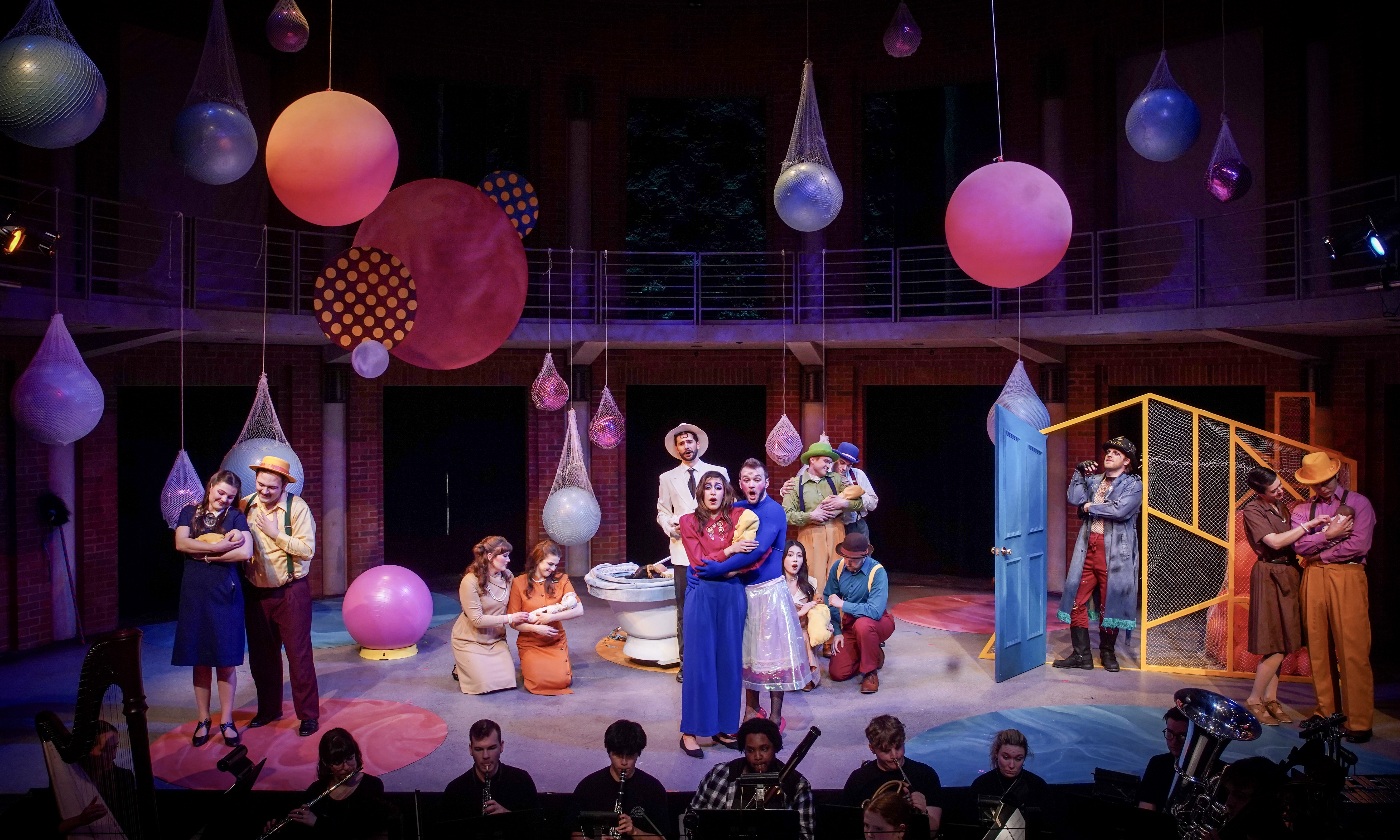
CCM’s Opera Department mounted a double bill, including Poulenc’s “Les Mamelles de Tirésias,” shown above. Photos by Mark Lyons

In Poulenc’s surreal opera “Les Mamelles de Tirésias,” (The Breasts of Tirésias), Thérèse opened her blouse and two balloons popped out. As her “breasts” floated away, Thérèse, who decided to become a feminist, promptly popped them, grew a beard, changed her name to Tirésias and sang a ravishing waltz.

It was giggly, outrageous and in many ways, timeless.

Jose Maria Condemi, the new Associate Director of Opera at the University of Cincinnati College-Conservatory of Music, made his directorial debut over the weekend with an impressive double bill of Kurt Weill’s “Mahagonny Songspiel” and Francis Poulenc’s “Les Mamelles de Tirésias.”

Smartly staged and featuring a cast of fresh rising-stars and imaginative sets by students Luke Dufilho (Mahagonny) and EJ Goodman (Les Mamelles), it was an enchanting evening of theater. From the steamy, dissolute world of Kurt Weill’s Mahagonny to Poulenc’s surreal fantasy of Zanzibar — where a man could produce 40,049 babies in one day — the audience was alternately riveted and howling with laughter.

Condemi, who is an alumnus of CCM and has an extensive portfolio, joined the faculty in August of 2025. He’s familiar to Cincinnati Opera fans, who saw him stage “Ainadamar,” “Don Giovanni,” “La Traviata,” “Tosca” and “Lucia di Lammermoor.”

In the small orchestra pit, these two jazzy and bubbly scores received spirited readings by CCM musicians, conducted by William Langley, currently resident conductor of the Atlanta Symphony Orchestra, among other titles. He’s a gifted and very busy maestro, and has returned several times to lead productions at his alma mater, CCM, where he earned a Master’s Degree with Mark Gibson.

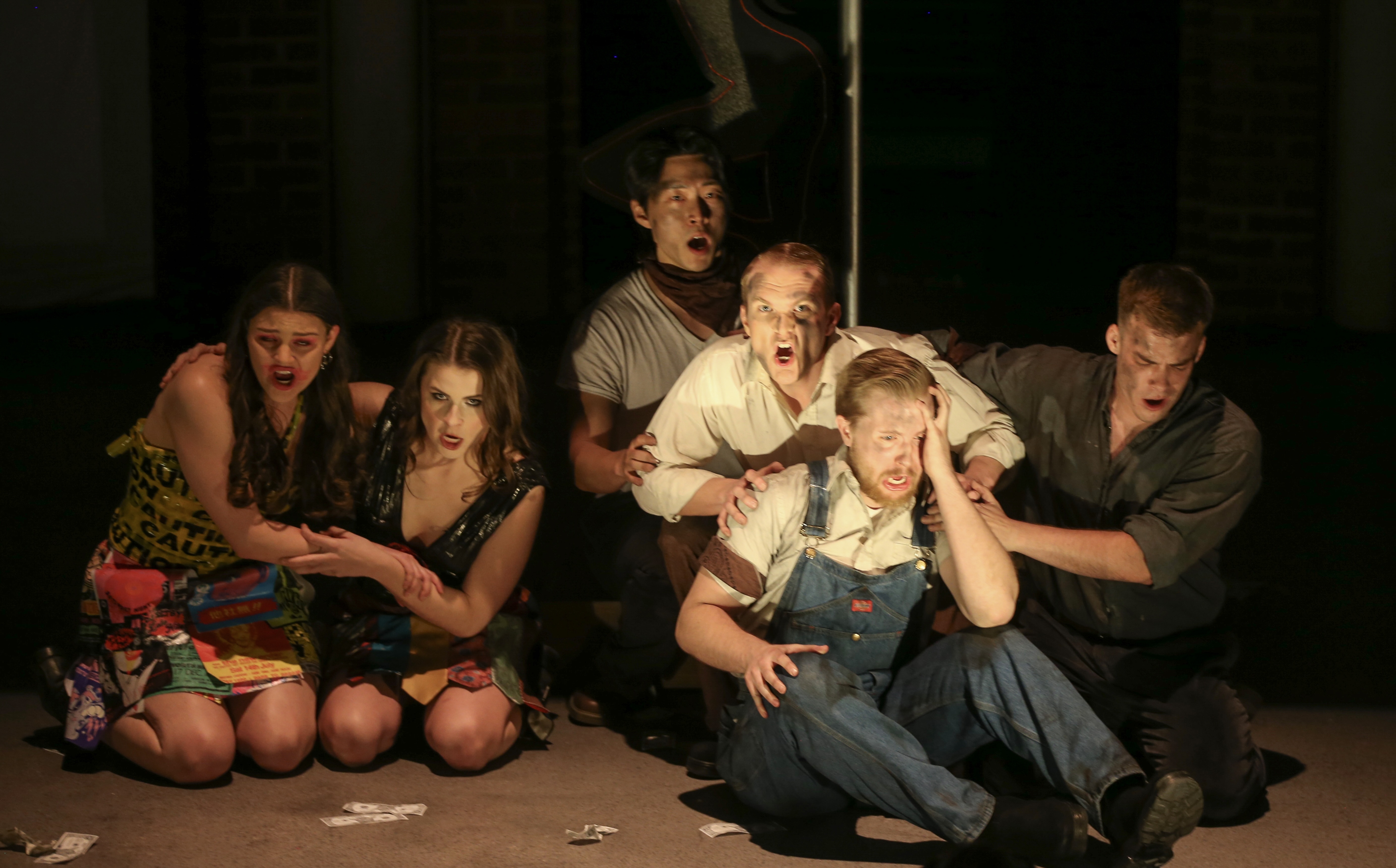
The cast of Kurt Weill’s “Mahagonny Songspiel”

Kurt Weill and Bertolt Brecht’s “Mahagonny Songspiel” of 1927 is a 30-minute precursor to the full-blown opera, “Rise and Fall of the City of Mahagonny.” It offers a grim, cynical picture of Germany between the wars. I saw the Friday (Feb. 27) performance in CCM’s intimate Cohen Family Studio Theater (CCM has alternate casts).Read More »

2025 Year in Review

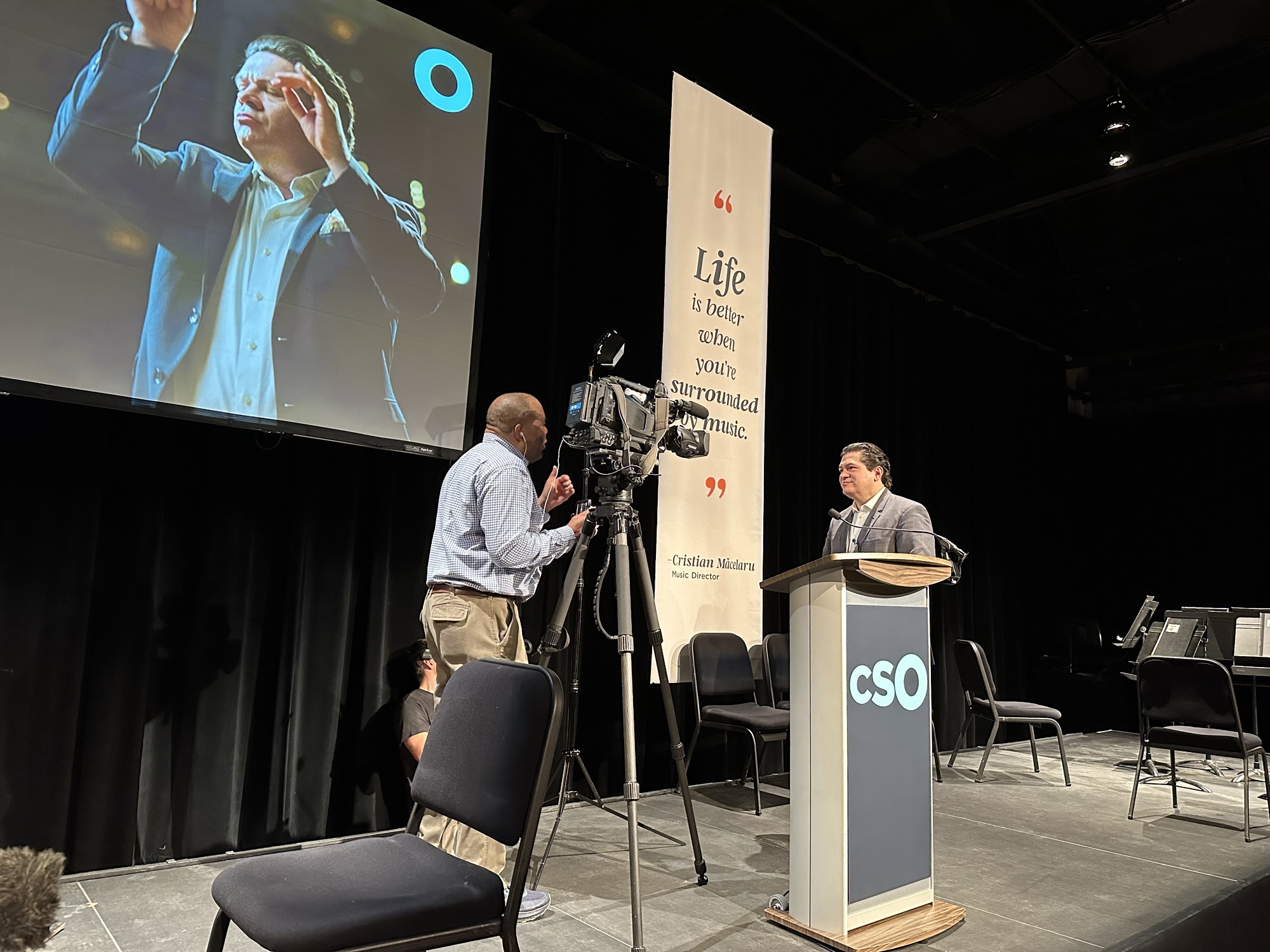
Meeting the Maestro last February

It’s always amazing to look back at the wealth of Cincinnati’s arts that we enjoy every year. There were important new arts leaders and new and improved venues. In comings and goings, the new dean of the University of Cincinnati College-Conservatory of Music, Peter Jutras, was busy hiring what seems like a record number of new faculty members. The Cincinnati Symphony Orchestra, too, has hired many new musicians that we are all still getting to know. And early this month, the Contemporary Arts Center’s Christina Vassallo announced she will soon be departing from her role as director. She will become executive director of the Pew Center for Arts & Heritage in Philadelphia.

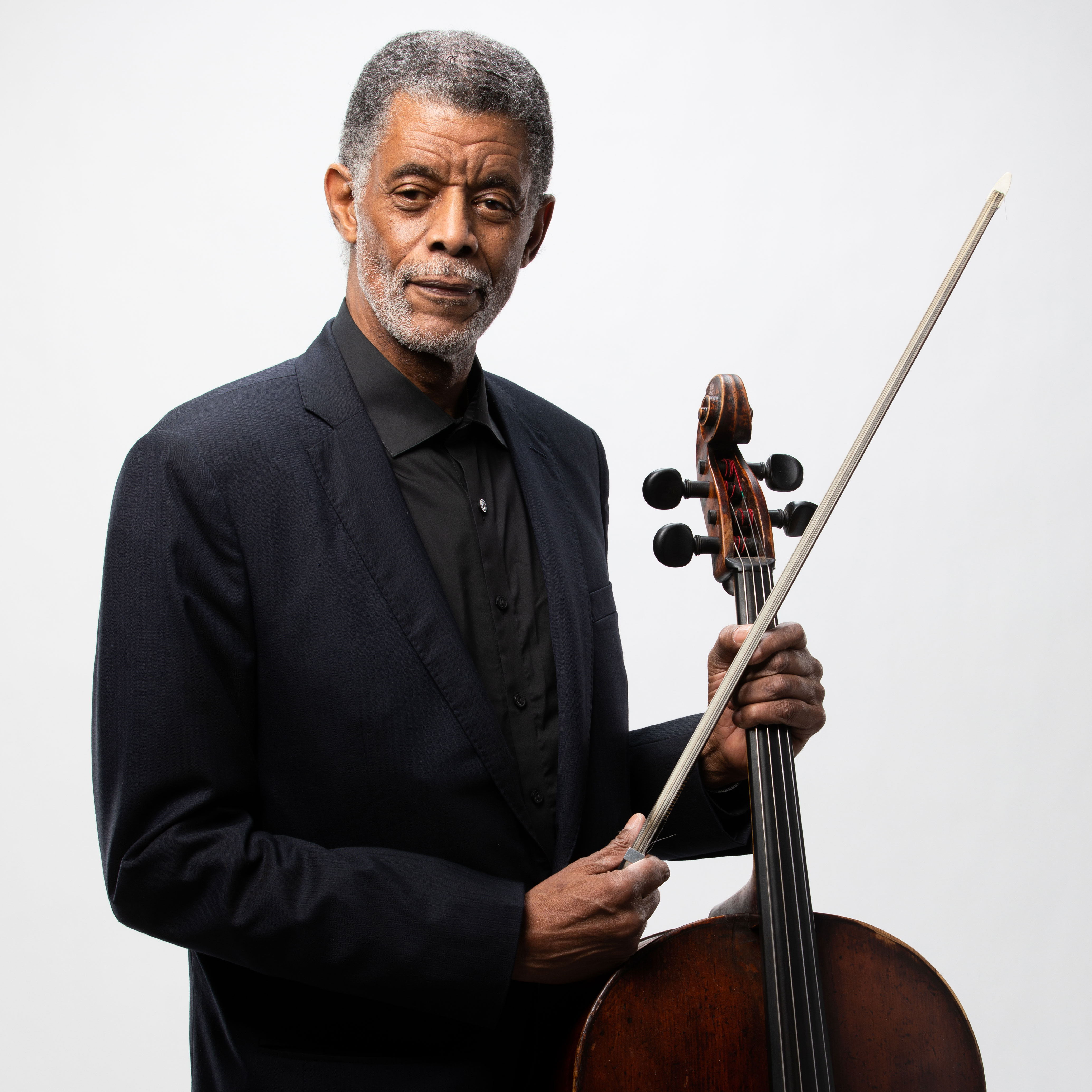
Assistant principal cellist Norman Johns performed with the CSO for 50 years.

Among those who left us in 2025 was cellist Norman Johns, an inspiring musician, a trailblazer and a role model. He shared his gifts as a teacher, chamber music coach and mentor to legions of students in Cincinnati for most of the 50 years that he performed in the Cincinnati Symphony Orchestra. Here is a small tribute to this musical giant.

Sadly, the Cincinnati Symphony also lost its much-admired principal trombonist Cristian Ganicenco. He was 58, and passed away on the eve of Cristian Măcelaru’s first concert as CSO music director. The two shared their homeland of Romania. Here is one of many tributes.

Below are some of my favorite performances, art exhibitions, newsmakers and more!

Welcoming new leaders

New maestro at the CSO –– In February, audiences had a taste of a new vision at the Cincinnati Symphony Orchestra in a powerful performance of the familiar Symphony No. 9, “From the New World” under the baton of then-music director-designate Cristian Măcelaru. This season, 2025-26, audiences are getting to know the Romanian-American maestro in his first season as the CSO’s 14th music director.

New leadership at Cincinnati Ballet — For his first season since being named artistic director, Cincinnati Ballet’s Cervilio Miguel Amador curated selections that include four world premieres, the regional premiere of “The Great Gatsby,” the return of “Swan Lake” (coming up in February) and “Director’s Vision: Liberty in Motion,” celebrating the evolution of American choreography in honor of America’s 250th birthday. We can’t wait to see his vision moving forward.

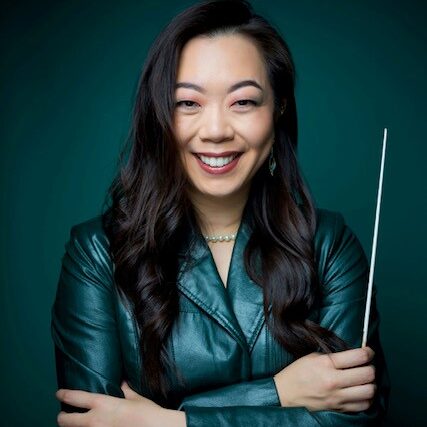
Alyssa Wang. Robert Torres Photography

A woman on the podium — This year, Cincinnati Ballet welcomed Alyssa Wang as its new music director, succeeding Carmon DeLeone, a local legend who retired after more than 50 years. I enjoyed watching her conduct “The Nutcracker” last week, and look forward to seeing more of her work.

Read More »

Notre-Dame Cathedral’s Vincent Dubois impresses on Museum Center’s E.M. Skinner Organ

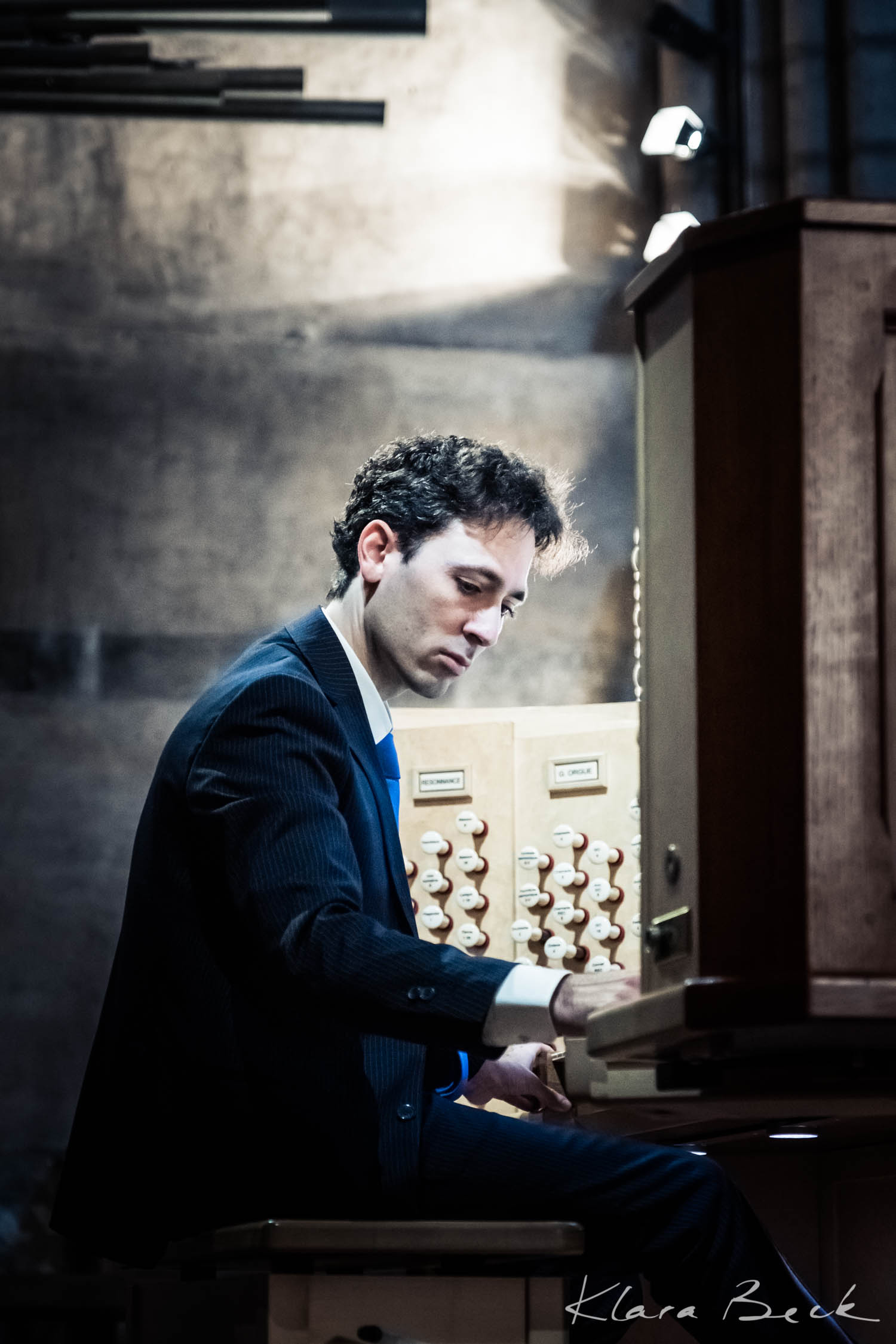
Vincent Dubois, titular organist of the Notre-Dame Cathedral in Paris

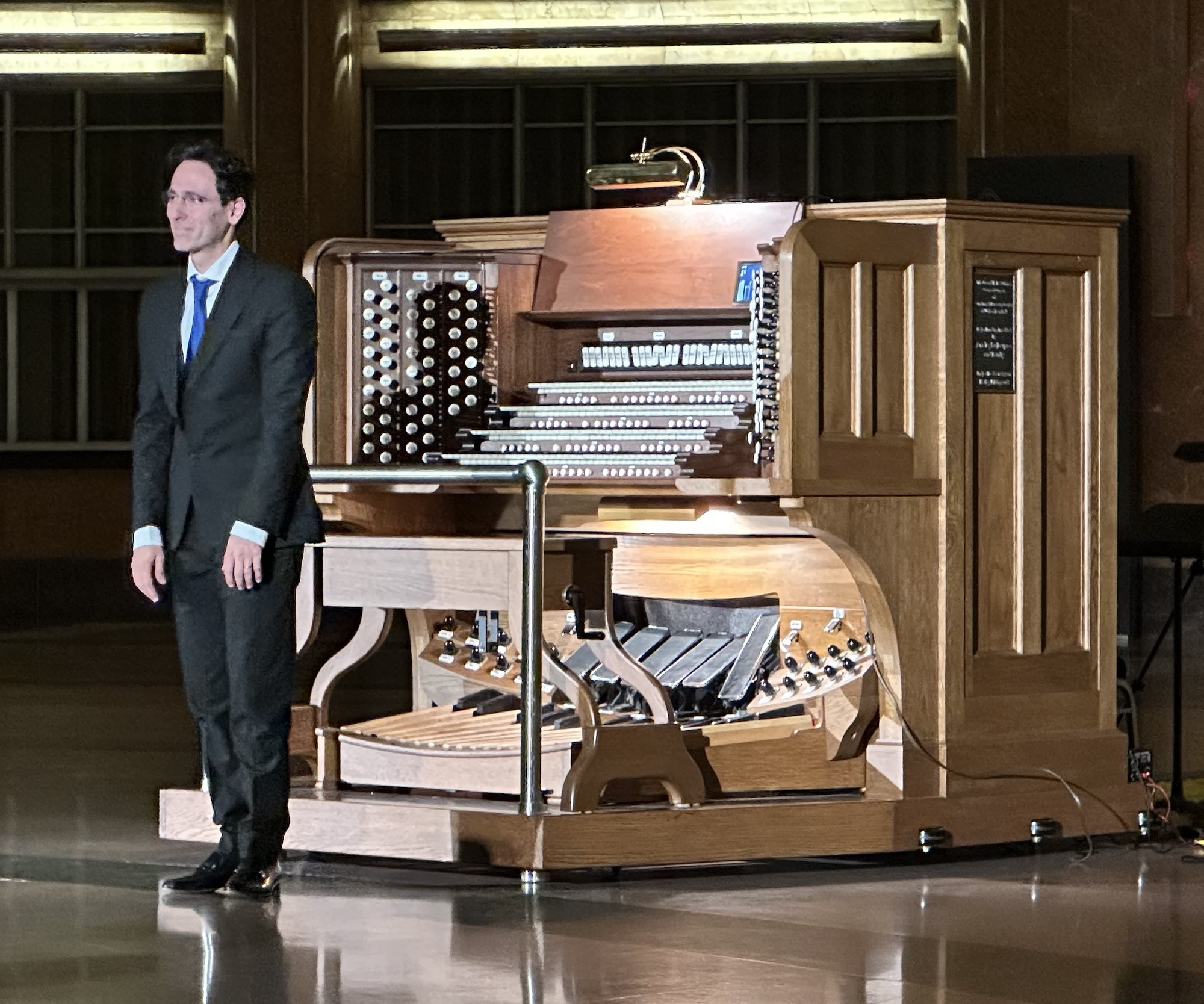
Hundreds of aficionados of organ music — as well as admirers of the stunning Art Deco Rotunda in Cincinnati Museum Center — braved a dark and stormy night on Oct. 29 to attend the opening concert of the Music in the Museum series. The excellent organist Vincent Dubois, now titular organist of the Notre-Dame Cathedral in Paris, performed a substantial program on the great E.M. Skinner concert organ built in 1929, the year Union Terminal began construction.

The organ is designed in the American Symphonic Organ tradition, able to produce every tone of a symphonic orchestra, and then some. Cincinnati’s E.M. Skinner organ is one of the treasures of the United States.

At one moment, Dubois paused to thank those who have supported the organ, saying, “It’s rare to find this quality of voicing… I enjoyed discovering so many colors and textures. It’s infinite in that instrument.”

Besides his Paris post, Dubois is newly appointed Professor of organ interpretation and improvisation at the Hochschule für Musik (University of Music) in Saarbrücken, Germany. His wide-ranging selections included many by French composers, some rarely heard, which were a treat to hear.

Dubois opened with J.S. Bach’s Passacaglia and Fugue in C Minor, BWV 582. His sound was instantly enthralling, from the deep tones of the repeating bass line (or ground bass) to the wonderful embellishments that unfolded above it. The music in the highest register had a spiritual quality, and you could see that the organist felt every note. The concluding fugue was majestic, and he held its final note at length, allowing the sound to continue ringing in the resonant acoustic of the Rotunda.

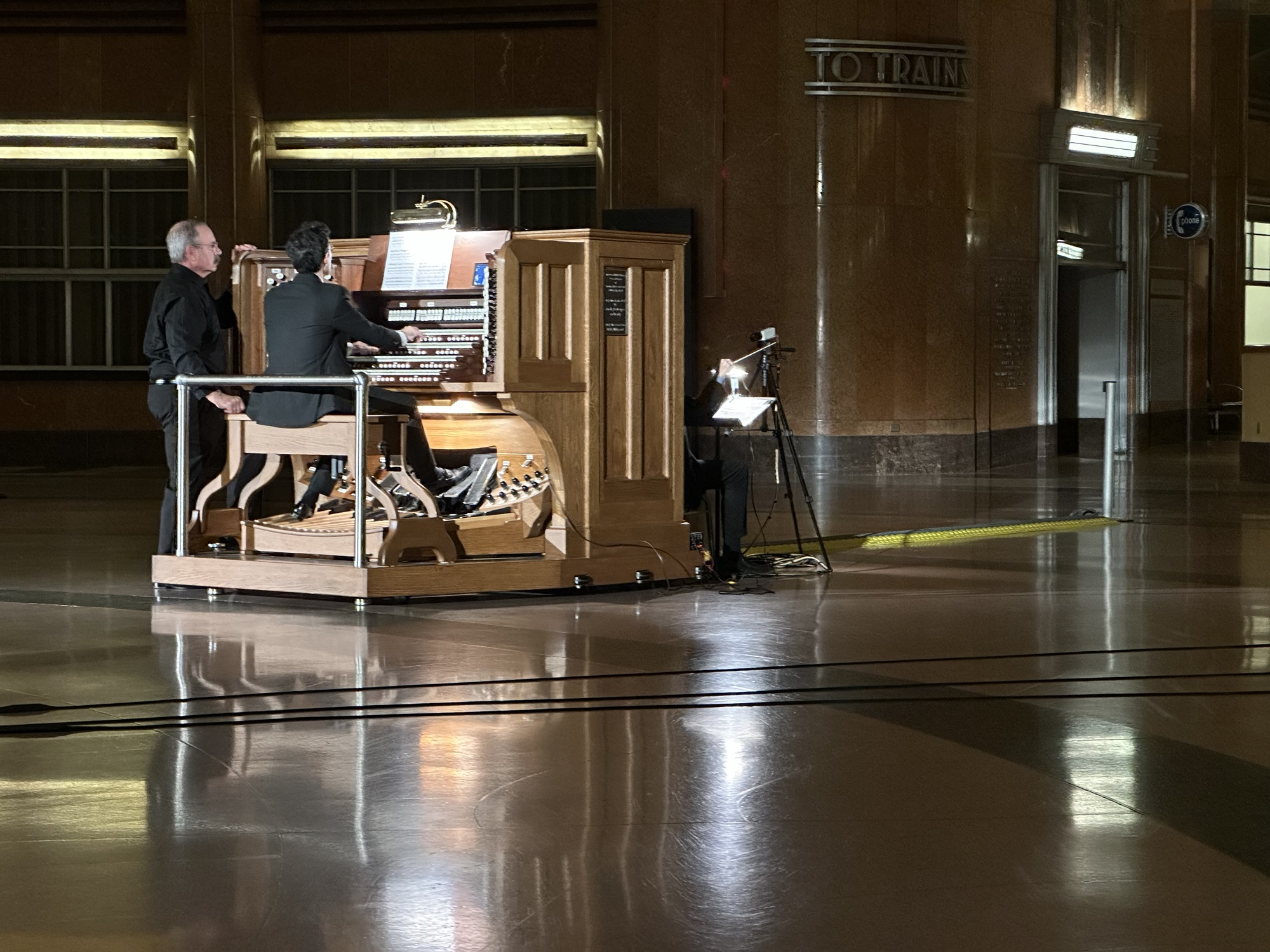
Dubois with Kelly Hale conducting behind the organ, and page turner Bert Nelson.

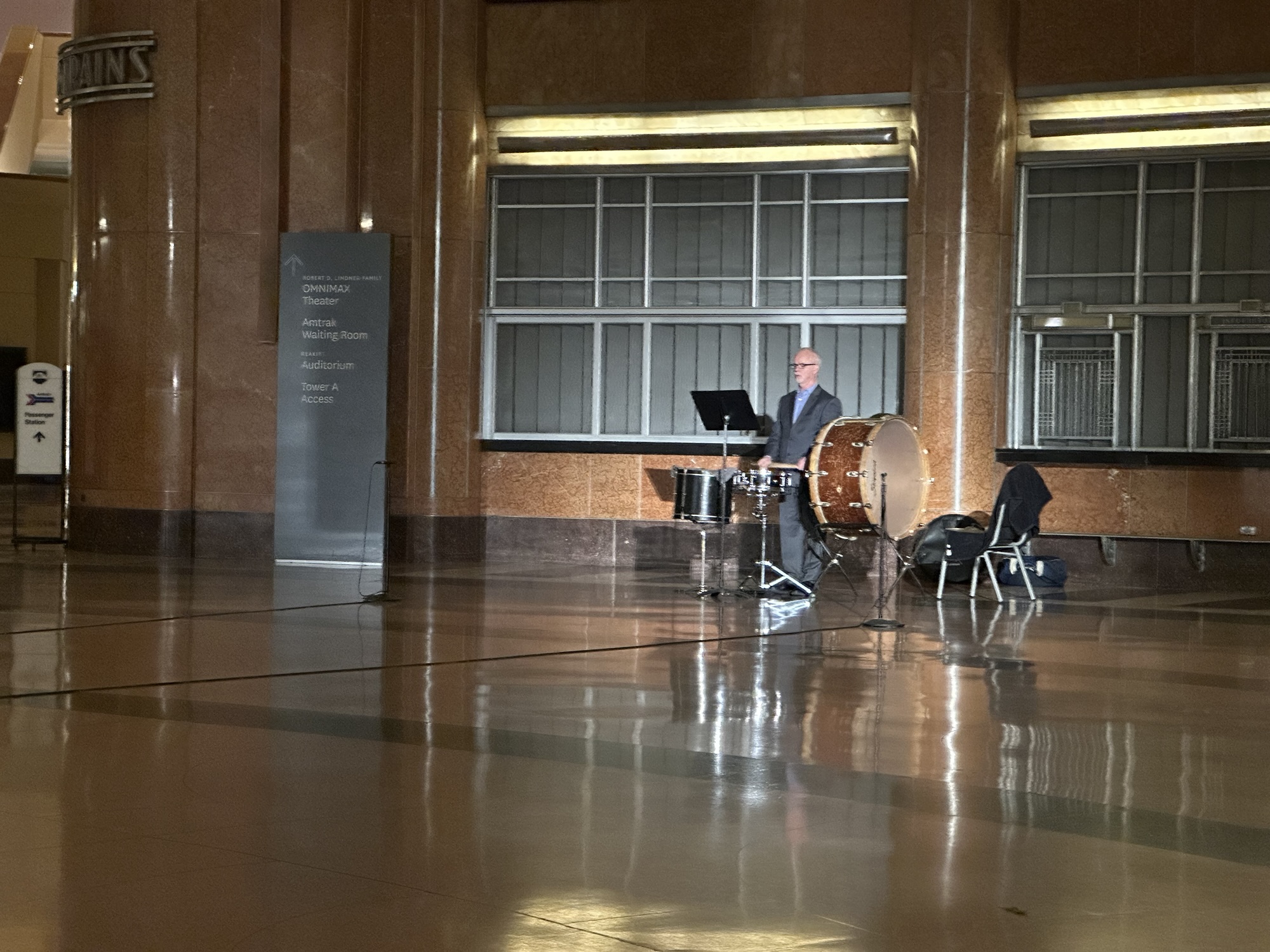
Dubois called upon two collaborators for the next three works: Russell Burge, CCM Professor of Percussion, and Kelly Hale, Professor Emeritus of Opera and Coaching, who conducted the spacially separated duo.

Percussionist Russell Burge was situated against the Rotunda wall, the clearest acoustical spot for the collaboration.

Jean-Philippe Rameau was represented by the dance, “Les sauvages” from Rameau’s 1735 opera-ballet, “Les Indes galantes,” accompanied by marvelous drumming by Burge. The work was inspired by a visit to France by Indigenous American chiefs in 1725.

Dubois then fast-forwarded to 20th-century France with three movements from Francis Poulenc‘s “Suite française,” originally an orchestral suite from his incidental music to a play, “La Reine Margot.” Typical of Poulenc, there were dissonances and witty dialogues between organ and snare drum. The colors of the organ ranged from warm to reedy.

Read More »

Musica Sacra celebrates 60 with a world premiere

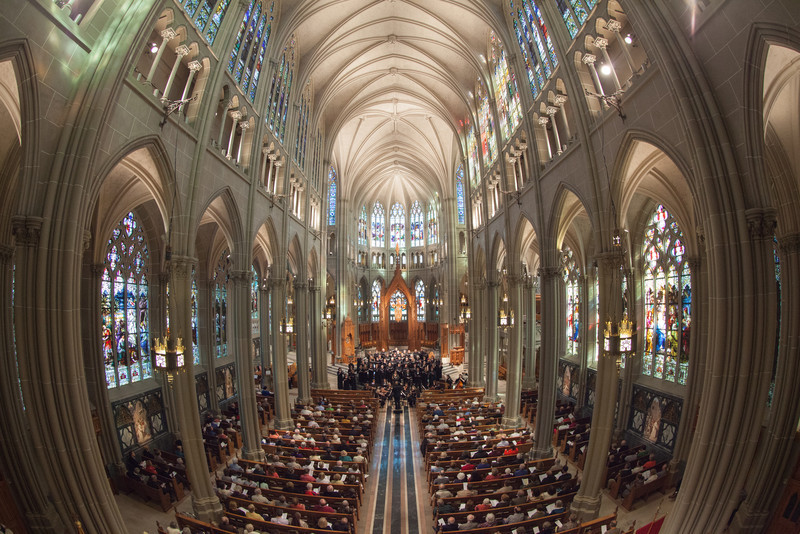
A previous concert by Musica Sacra at the Cathedral Basilica of the Assumption/ photo provided

The choral ensemble Musica Sacra has commissioned a new work in honor of its 60th anniversary. Directed by Dr. L. Brett Scott, Musica Sacra will perform the world premiere of “Receiving” by award-winning composer Jessica French, 3 p.m. October, 26, 2025 at the Cathedral Basilica of the Assumption in Covington, KY. The program also includes Haydn’s “Harmoniemesse.”

Musica Sacra is second only to the Cincincinnati May Festival as the oldest continually operating community choral group in Cincinnati. It was founded in 1965 by Helmut Roehrig, whose vision was to create an ensemble for performing sacred choral literature in the spaces for which they were intended, accompanied by an orchestra, and at no charge to the public. He led the group for 50 years.

The Seattle-based composer will attend the performance. During the week, she’ll work with students at the University of Cincinnati College Conservatory of Music, where Scott is Professor of Ensembles and Conducting. French’s work has been commissioned by BBC Singers, the St. Olaf Cantorei and Orchestra; the St. Thomas Choir of Men and Boys (NYC), and the Choir of Trinity Church Wall Street (NYC) among others.Read More »

CCM-based Poiesis String Quartet wins Banff Competition

Photo by Eden Davis

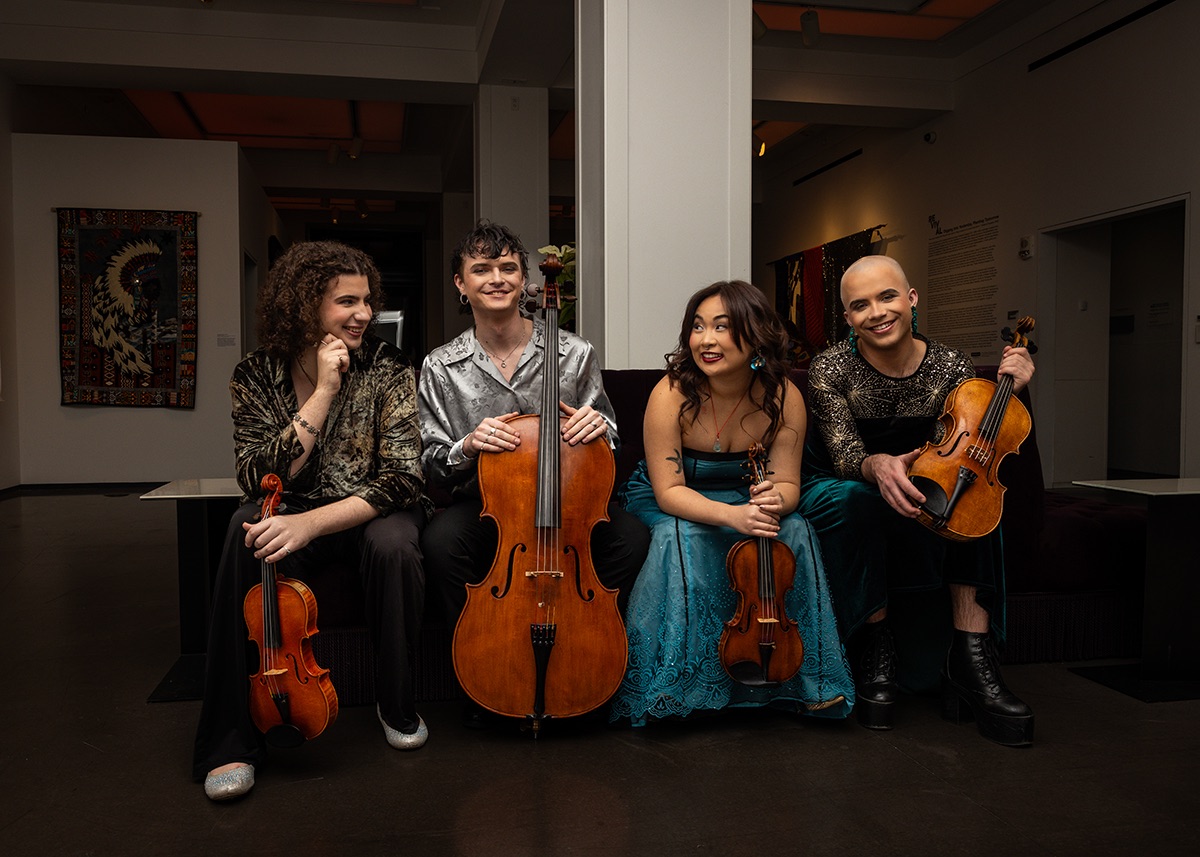
One of the world’s finest young string quartets is right here in Cincinnati. On Aug. 31, the Poiesis String Quartet, graduate string quartet-in-residence at the University of Cincinnati College Conservatory of Music, won the Grand Prize in the prestigious 15th Banff International String Quartet Competition. The prize includes $500,000 CAD in cash, prizes, and career development opportunities, including touring and recording and three-year custom artistic and career development program.

The quartet is currently being mentored at CCM by the Ariel Quartet. Its members are: Sarah Ying Ma on violin, Max Ball on violin, Jasper de Boor on viola, and Drew Dansby on cello.  They are graduates of Oberlin College & Conservatory.

Nine international string quartets competed this year, in what is described as “one of the most competitive in the competition’s four-decade history.” The competition reports that competitors travelled to Banff from their home bases in Asia, Europe, and North America, with players hailing from 14 different countries.

The name Poiesis derives from ancient Greek and means “to make.” The ensemble focuses on expanding the quartet repertoire with new works by emerging composers.

Competition jury members include Marie Chilemme, Jonathan Crow, Eugene Drucker, Honggang Li, Milena Pajaro-van de Stadt, Eckart Runge, and David Ying.

The quartet will present their fall recital at 6:45 p.m. Oct. 2 in Werner Recital Hall. Free.


Music in the Museum series

Vincent Dubois comes to Cincinnati Museum Center in October

Many of us were riveted when the great organ of Notre Dame Cathedral in Paris, France, was rescued after the fire, refurbished and rededicated at the reopening. Cincinnati Museum Center’s Music in the Museum series will open its season on Oct. 29 with Vincent Dubois, titular organist at the Cathedral of Notre-Dame, where he serves alongside Olivier Latry and Philippe Lefebvre.  He is also Professor of organ interpretation and improvisation at the Hochschule für Musik (University of Music), Saarbrücken, Germany.

He has performed in major concert venues throughout Europe, North America, Asia and the Pacific. Dubois’ program will include: Passacaglia and Fugue in C minor, BWV 582, J. S. Bach; Choral No. 1 in E major, Franck; Prelude in C sharp minor Op.3, Rachmaninoff; Menuet and Rigaudon from Le Tombeau de Couperin, Ravel; Sonata on the 94th Psalm in C minor, J. Reubke; and Carillon de Westminster, Op. 54, No. 6, Vierne.

He’ll also collaborate with University of Cincinnati College Conservatory of Music Professor of Percussion, Russell Burge in Boléro sur un thème de Charles Raquet, P. Cochereau; Fanfare for the Common Man, A. Copland; and Les sauvages from Les Indes galantes by Rameau.

The 1929 Grand E.M. Skinner Concert Organ is the centerpiece for Music in the Museum, a concert series hosted three times a year at Cincinnati Museum Center.

The rest of the series looks great, too:

Wednesday, February 25, 2026 at 7:30 p.m.
Presenting Johannes Skoog, Organist. Johannes Skoog is winner of the First Prize and the Bach Prize at the 2024 Canadian International Organ Competition and he is one of Sweden’s brightest young organists. He will collaborate with the combined Choirs of Christ Church Cathedral, Stephan Casurella, Director and St. Thomas Episcopal Church, Carlton Monroe, Director.

Wednesday, April 22, 2026 at 7:30 p.m.
Presenting Isabelle Demers, Organist. Isabelle Demers is Associate Professor of Organ at McGill University. Her programs includes arias and other numbers in collaboration with University of Cincinnati College Conservatory of Music Professor of Voice, Tenor, Daniel Weeks. You don’t want to miss “Nessun dorma”!

The concerts are at 7:30 p.m. Tickets: visit cincymuseum.org/music-in-the-museum. For questions, call (513) 287-7036

CCM fills more positions: Violinist Kenneth Renshaw and Tyler Ehrlich, wind studies

Kenneth Renshaw, photo by Yang Bao

UC College-Conservatory of Music Dean Pete Jutras has been busy announcing new faculty members to fill many vacancies that have occurred this year at CCM. He’s just announced the appointment of Kenneth Renshaw as CCM’s new Assistant Professor of Violin.

In addition, the dean has announced Tyler Ehrlich, DMA, as CCM’s new assistant professor and Assistant Director of Wind Studies.

Both faculty appointments officially begin on Aug. 15, 2025.Read More »