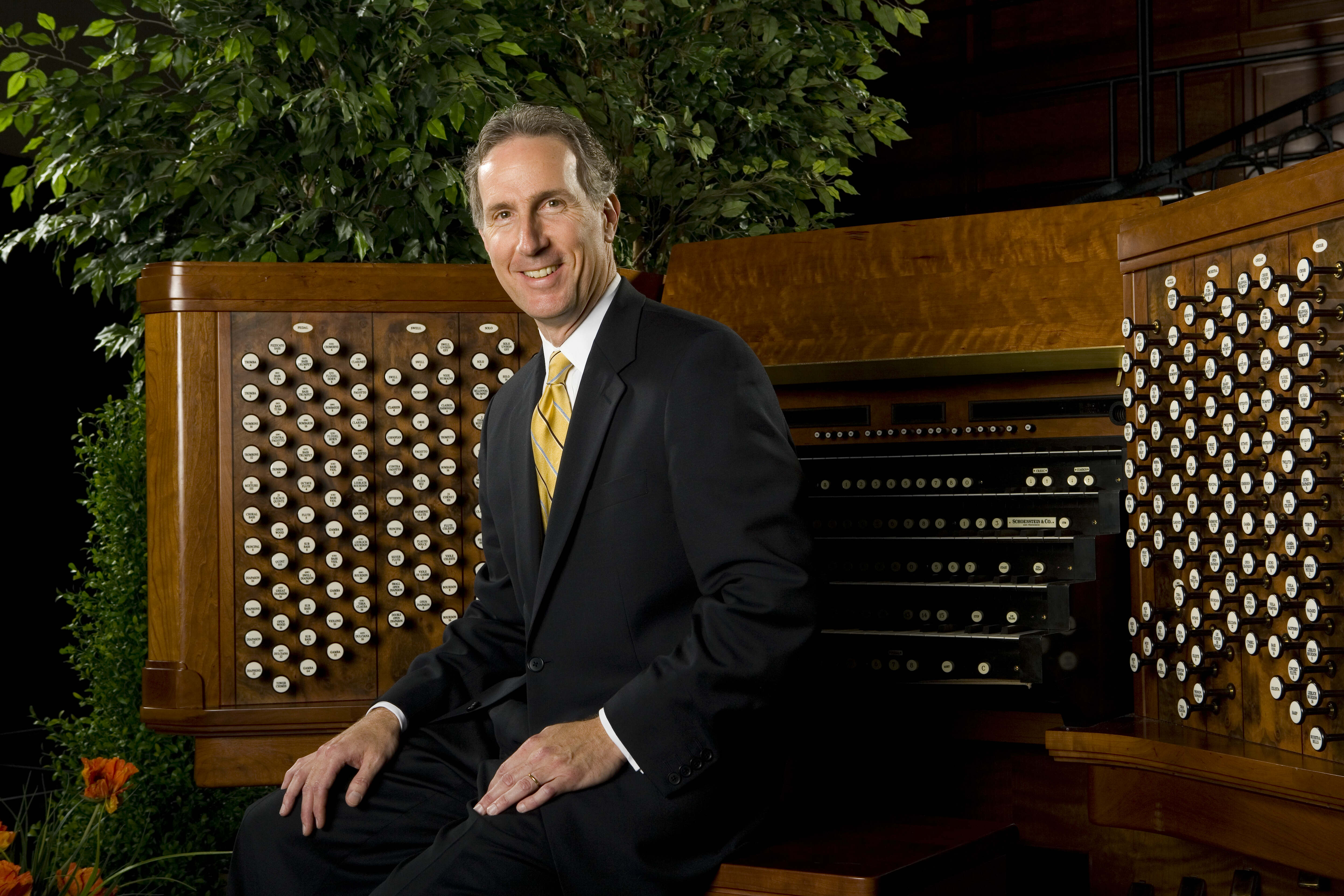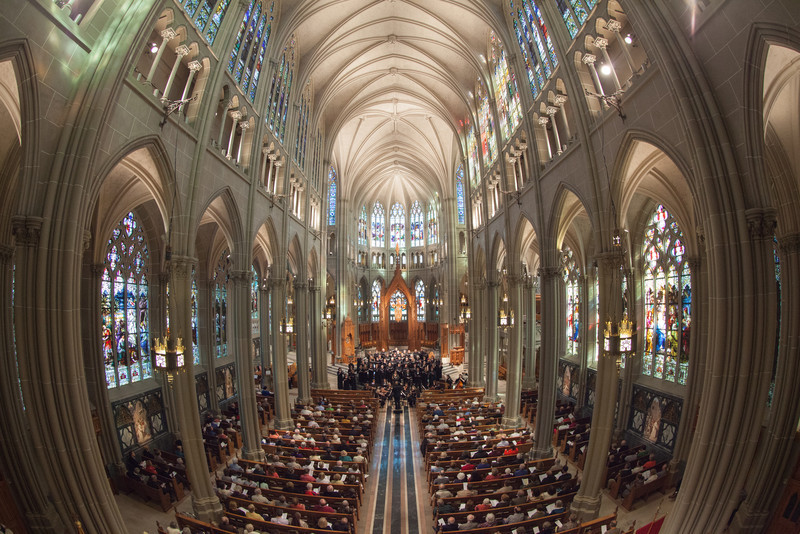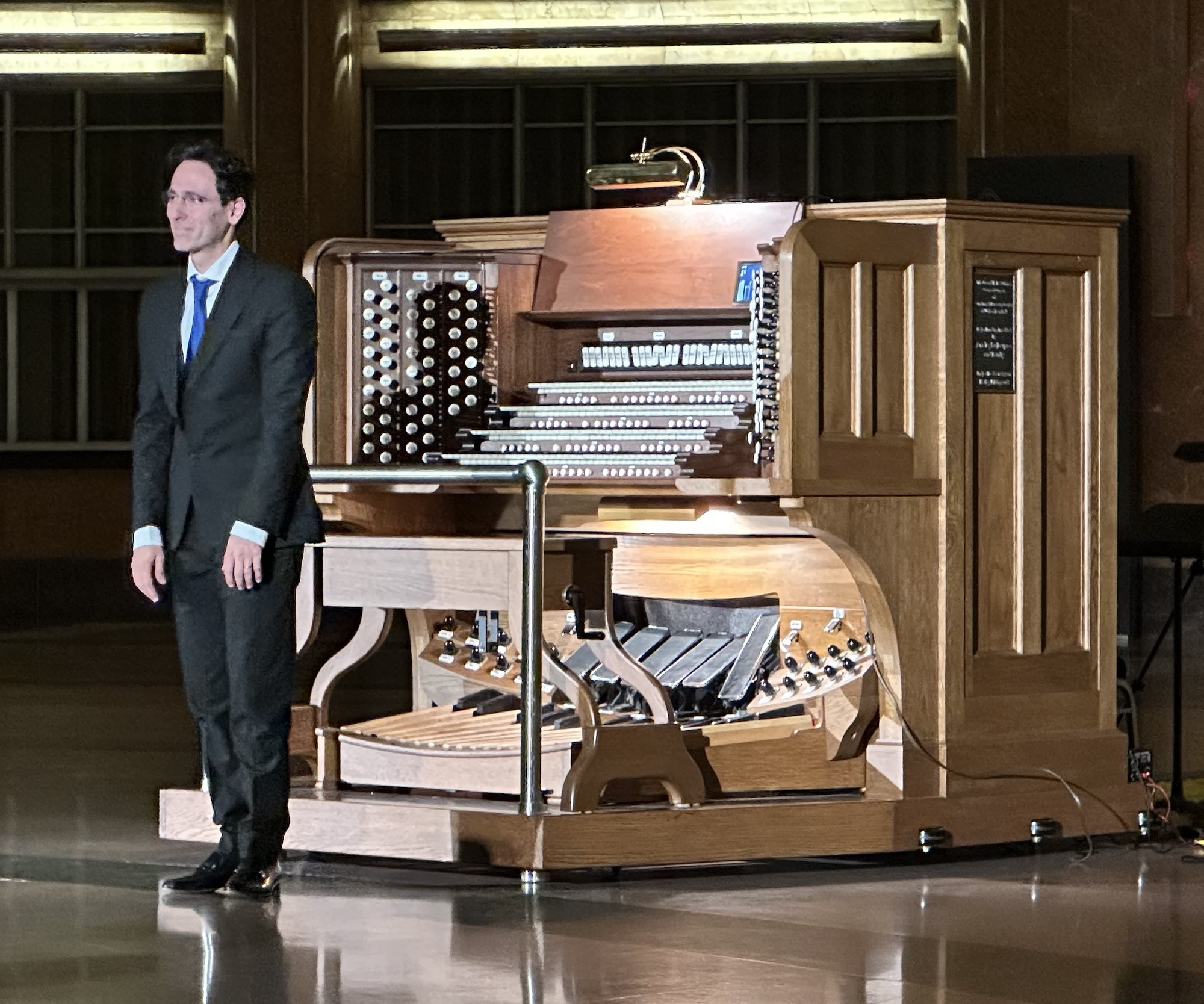
Hundreds of aficionados of organ music — as well as admirers of the stunning Art Deco Rotunda in Cincinnati Museum Center — braved a dark and stormy night on Oct. 29 to attend the opening concert of the Music in the Museum series. The excellent organist Vincent Dubois, now titular organist of the Notre-Dame Cathedral in Paris, performed a substantial program on the great E.M. Skinner concert organ built in 1929, the year Union Terminal began construction.
The organ is designed in the American Symphonic Organ tradition, able to produce every tone of a symphonic orchestra, and then some. Cincinnati’s E.M. Skinner organ is one of the treasures of the United States.
At one moment, Dubois paused to thank those who have supported the organ, saying, “It’s rare to find this quality of voicing… I enjoyed discovering so many colors and textures. It’s infinite in that instrument.”
Besides his Paris post, Dubois is newly appointed Professor of organ interpretation and improvisation at the Hochschule für Musik (University of Music) in Saarbrücken, Germany. His wide-ranging selections included many by French composers, some rarely heard, which were a treat to hear.
Dubois opened with J.S. Bach’s Passacaglia and Fugue in C Minor, BWV 582. His sound was instantly enthralling, from the deep tones of the repeating bass line (or ground bass) to the wonderful embellishments that unfolded above it. The music in the highest register had a spiritual quality, and you could see that the organist felt every note. The concluding fugue was majestic, and he held its final note at length, allowing the sound to continue ringing in the resonant acoustic of the Rotunda.
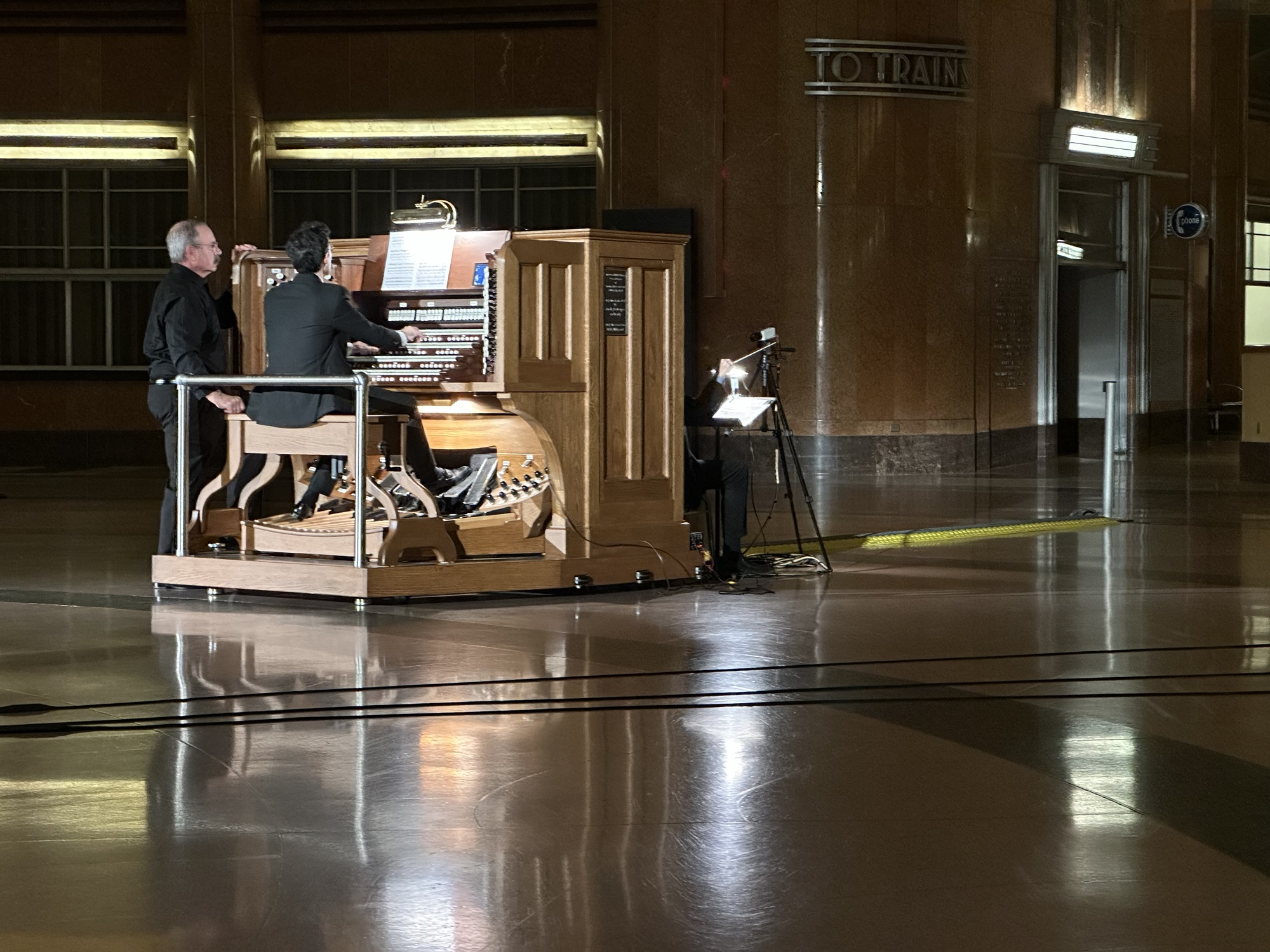
Dubois called upon two collaborators for the next three works: Russell Burge, CCM Professor of Percussion, and Kelly Hale, Professor Emeritus of Opera and Coaching, who conducted the spacially separated duo.
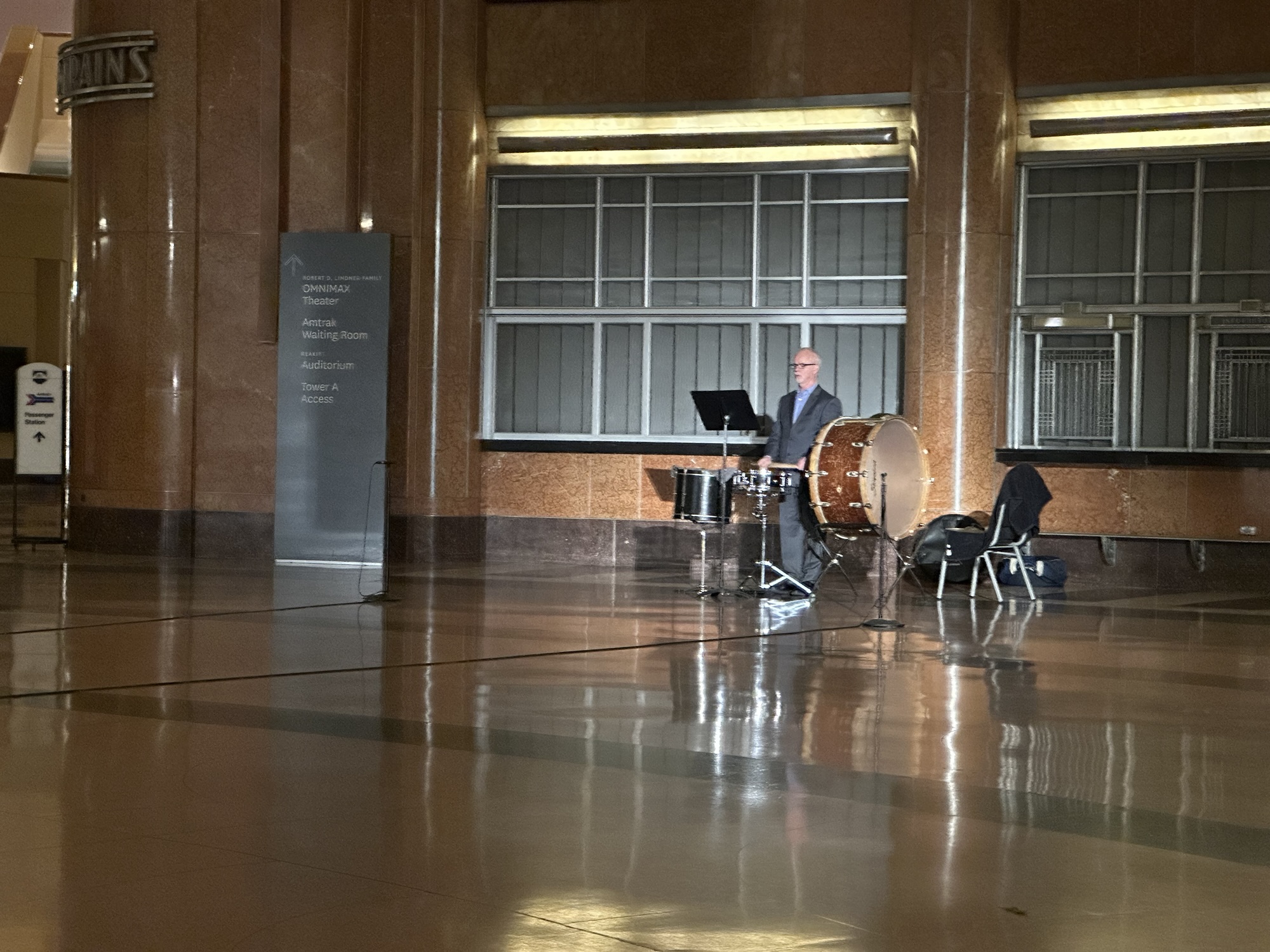
Jean-Philippe Rameau was represented by the dance, “Les sauvages” from Rameau’s 1735 opera-ballet, “Les Indes galantes,” accompanied by marvelous drumming by Burge. The work was inspired by a visit to France by Indigenous American chiefs in 1725.
Dubois then fast-forwarded to 20th-century France with three movements from Francis Poulenc‘s “Suite française,” originally an orchestral suite from his incidental music to a play, “La Reine Margot.” Typical of Poulenc, there were dissonances and witty dialogues between organ and snare drum. The colors of the organ ranged from warm to reedy.